Wednesday 18 NovemberAutumn
Garden guide
Your garden, month by month
Practical advice for Mallorca's climate and soils: what to do each month, which plant to choose and how to care for it.
Practical advice for Mallorca's climate and soils: what to do each month, which plant to choose and how to care for it.
Seasonal jobs adapted to the islands' Mediterranean climate. Pick a month to see it.
Short guides written for Mallorca's climate, with the plants that work best in each case.
When, how much and how to water your garden in summer in Mallorca: long, spaced-out waterings, drip irrigation, mulch and plants grouped by thirst.
Read the guide →Oct – Dec · Feb – MarWhich hedging plants work in Mallorca, when to plant them, how far apart and how to look after them in the first year so they fill in quickly.
Read the guide →Mar – OctHow to spot red palm weevil in time, which preventive treatments exist and why palms should only be pruned in winter.
Read the guide →Jan – MarWhen and how to prune olive, citrus, almond, fig and grapevine in Mallorca: which branches to remove and which mistakes to avoid.
Read the guide →Mar – May · Oct – NovPlants that cope with sun, wind and salt on terraces and penthouses in Mallorca, and how to choose pots, compost and irrigation so they last.
Read the guide →Sep – NovStep by step to revive a patchy lawn after the summer in Mallorca: scarify, aerate, overseed, top-dress and feed in autumn.
Read the guide →Oct – Dec · Jan – MarStep by step to plant a tree or shrub properly in Mallorca: when to do it, how to dig the hole, how deep to set it and how to water it in the first year.
Read the guide →Feb – SepHow to care for a lemon, orange or mandarin tree in Mallorca, in the ground or in a pot: watering, feeding, yellow leaves, pruning and the commonest pests.
Read the guide →Jan – DecLight, watering, humidity and repotting for houseplants: how to avoid the mistakes that kill them and which species put up with almost anything.
Read the guide →May – SepHow to prepare the garden to go weeks without attention: automatic irrigation, mulch, plants that cope on their own and what to check before you leave.
Read the guide →Jan – DecWhich plants are toxic to dogs and cats, which you can grow without worry and how to arrange the garden and terrace to live with pets.
Read the guide →Mar – Jun · SepWhich fertiliser to use, when and how much: organic versus mineral, what each kind of plant needs and how not to overdo the dose.
Read the guide →Oct – Dec · Jan – MarHow to make a garden with Mallorca's own plants: why they need less water and work, which to choose, when to plant them and how to look after them at first.
Read the guide →Oct – Nov · Feb – AprHow to plant a seafront garden in Mallorca: what salt spray does, how to give shelter from the wind and which plants survive where others scorch.
Read the guide →Jan – DecA garden full of life: which plants offer flowers and fruit in each season for bees, butterflies and birds, and what to change in your upkeep so they stay.
Read the guide →Mar – OctHow to recognise the commonest garden pests — aphids, scale insects, spider mites and whitefly — and treat them in time with gentle remedies.
Read the guide →Filter by light, water, pets or plants native to the Balearics. Can't find it? Ask us at the nursery.
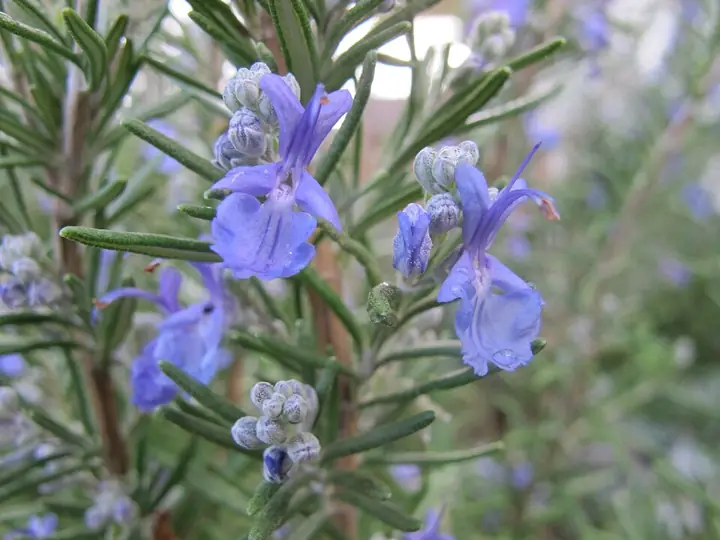 Herb
Takes full sun, wind and drought. Flowers in winter and is a magnet for bees. Avoid waterlogging.
See profile →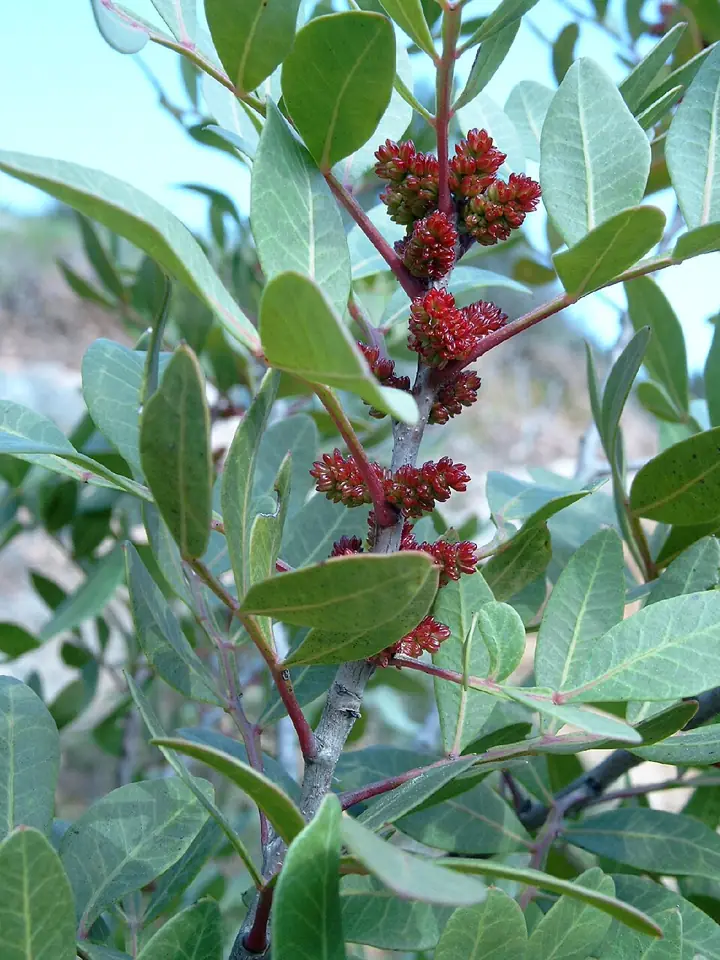 Shrub
Very hardy native shrub, ideal for informal hedges and unwatered areas once established.
See profile →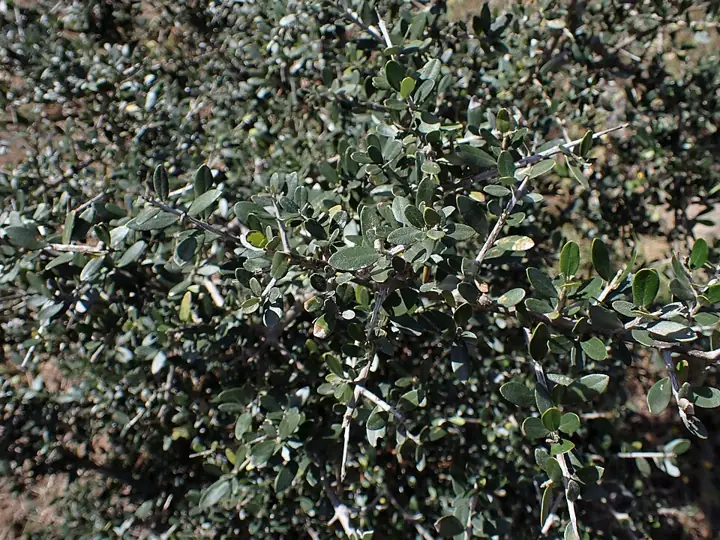 Tree
The islands' wild olive. Takes formative pruning and grows in poor, limy soils.
See profile →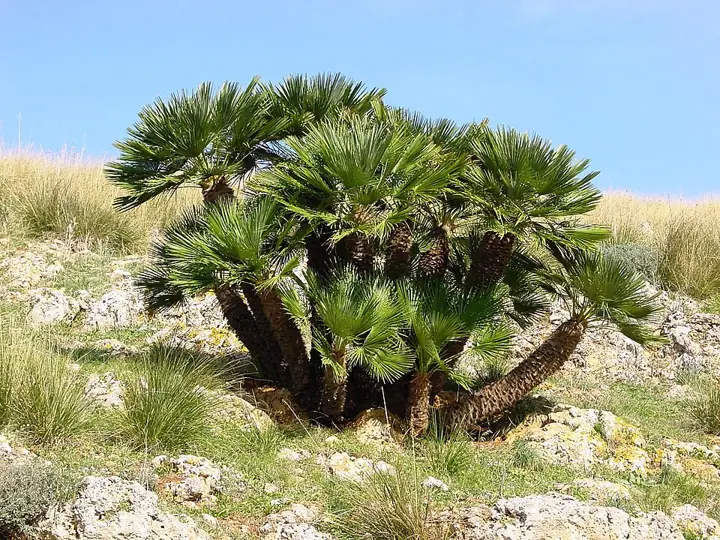 Palm
Europe's only native palm. Very drought tolerant and less affected by the red palm weevil.
See profile →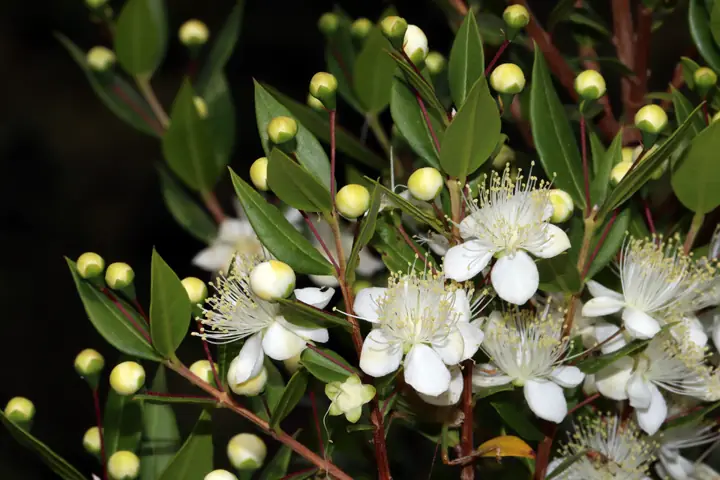 Shrub
Aromatic shrub with white summer flowers. Takes clipping and suits low hedges.
See profile →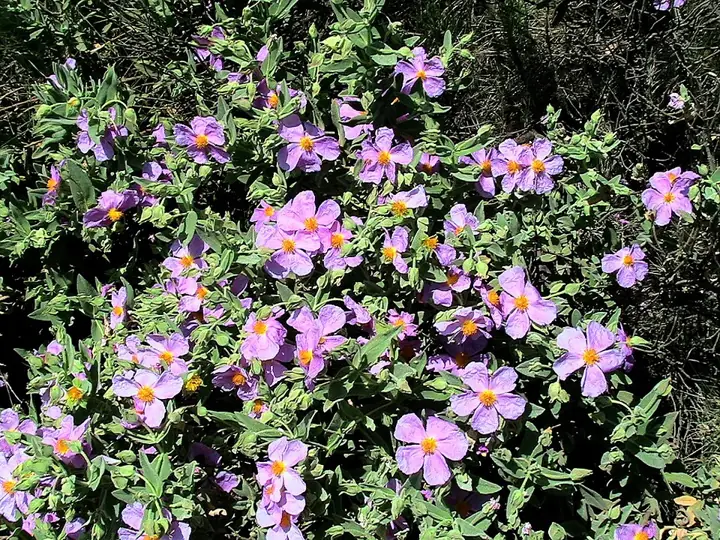 Shrub
Pink spring flowers and grey heat-proof leaves. Needs good drainage.
See profile →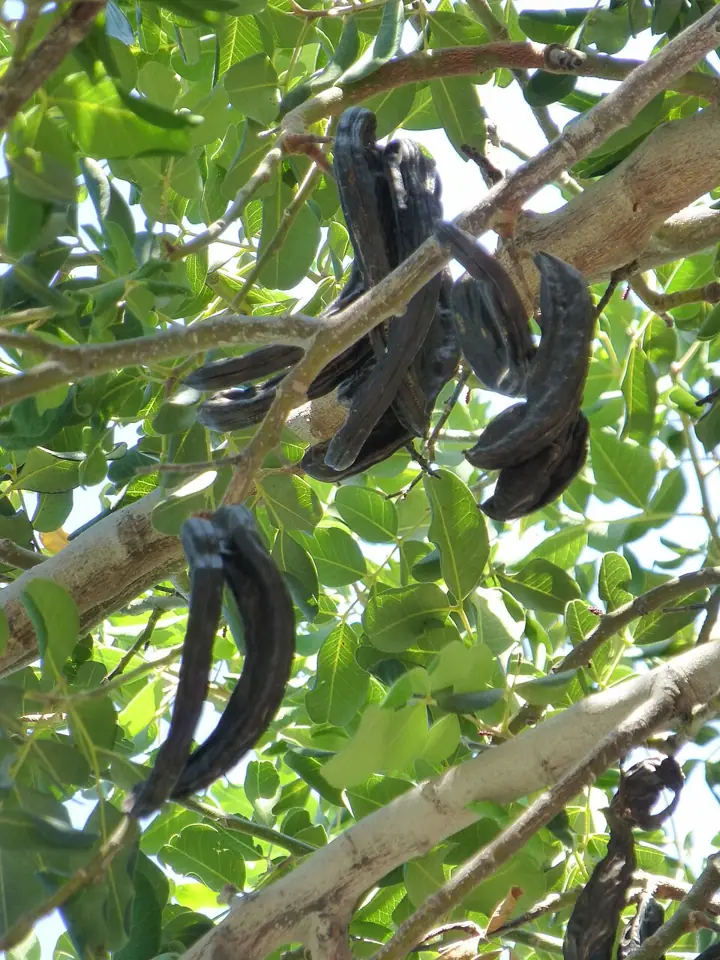 Tree
A traditional Majorcan tree that gives good shade and needs little water once rooted.
See profile →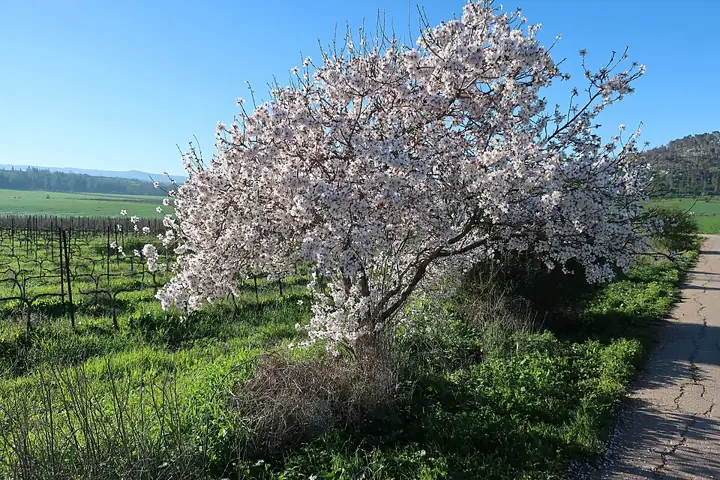 Fruit tree
The tree of the Mallorcan landscape. It blooms in midwinter, needs hardly any water and gives almonds in summer. Prune it after the harvest.
See profile →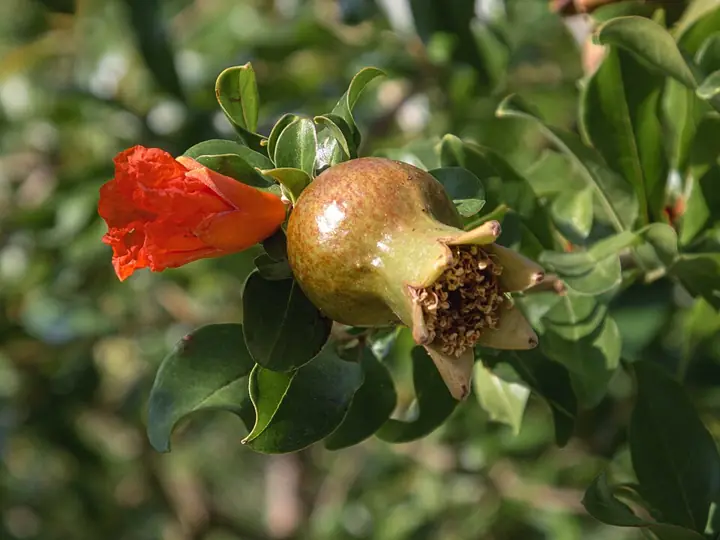 Fruit tree
A small tree that stands up well to heat and drought. Red flowers in spring and pomegranates in autumn. It can be pruned to keep it low.
See profile →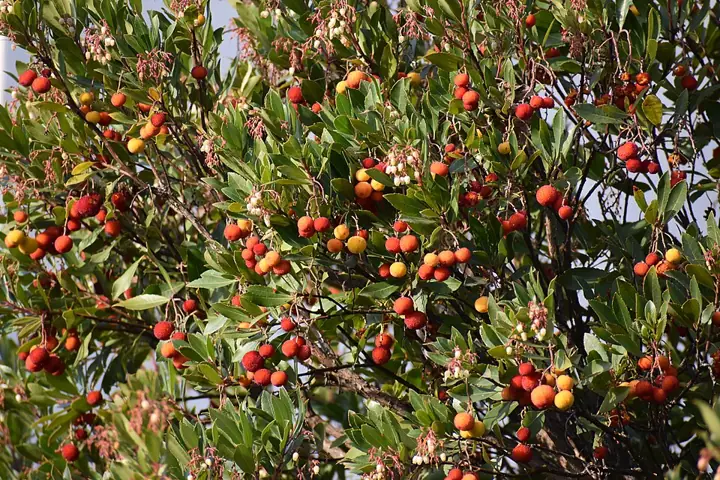 Tree
A native evergreen small tree. In autumn it shows white flowers and edible red fruit at the same time. Once established it copes well with drought and wind.
See profile →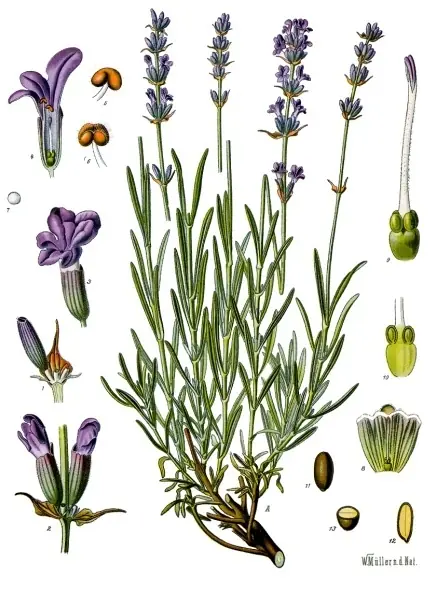 Herb
Sun and well-drained soil. Trim lightly after flowering to keep it compact. Toxic to dogs and cats if eaten.
See profile →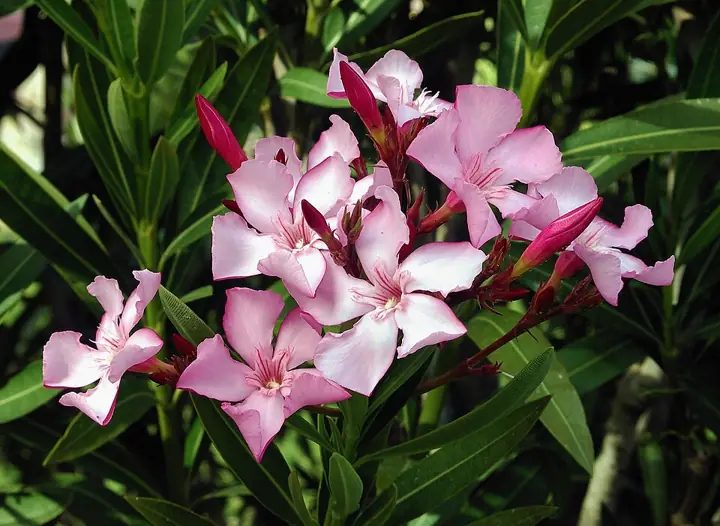 Shrub
Very heat and drought tolerant, but every part is highly toxic to people and animals.
See profile →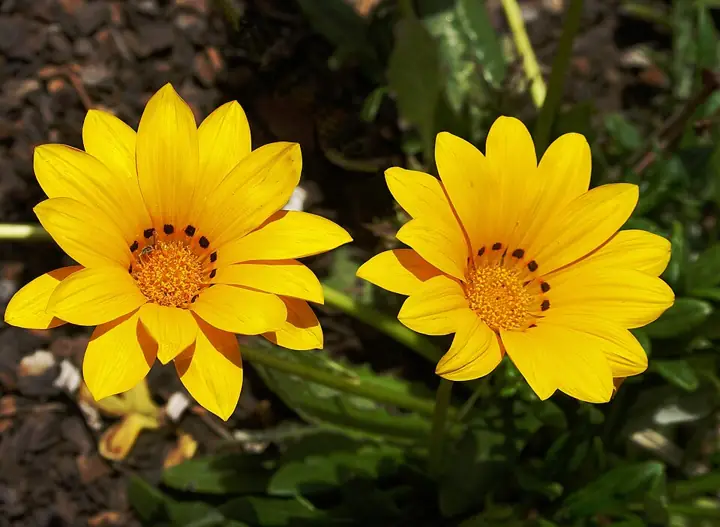 Ground cover
 with bright flowers that open in the sun. Great for banks and sunny planters.
See profile →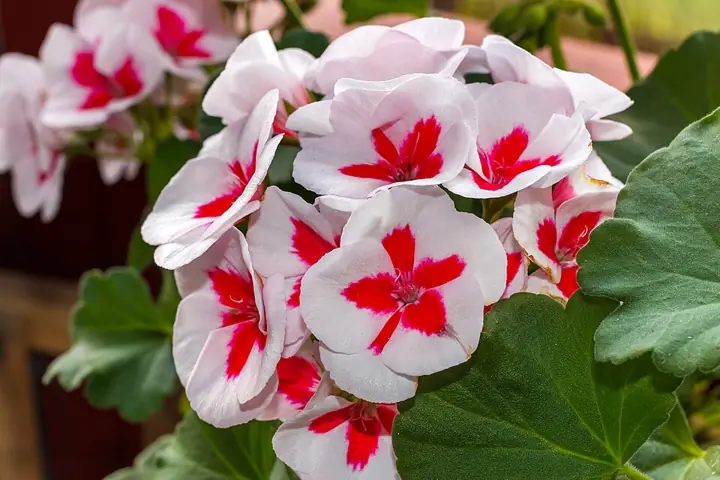 Flowering plant
A balcony classic. Water when the soil is dry and watch for the geranium bronze butterfly in summer. Toxic to pets.
See profile →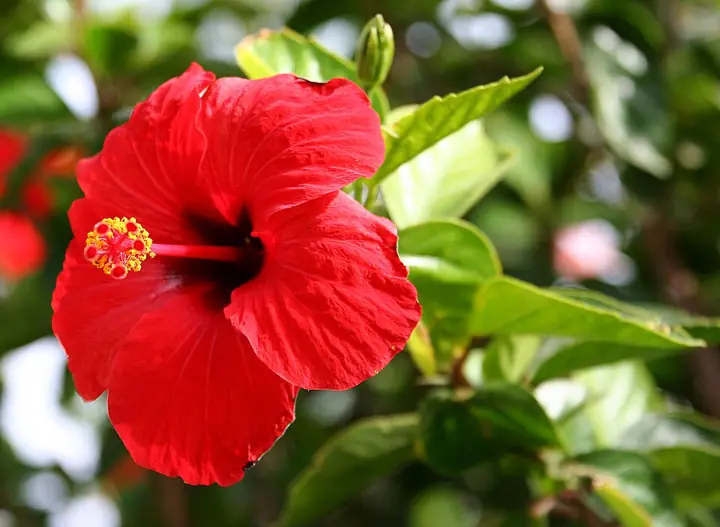 Shrub
Large flowers all summer. Likes sun and regular watering; protect it from cold in winter.
See profile →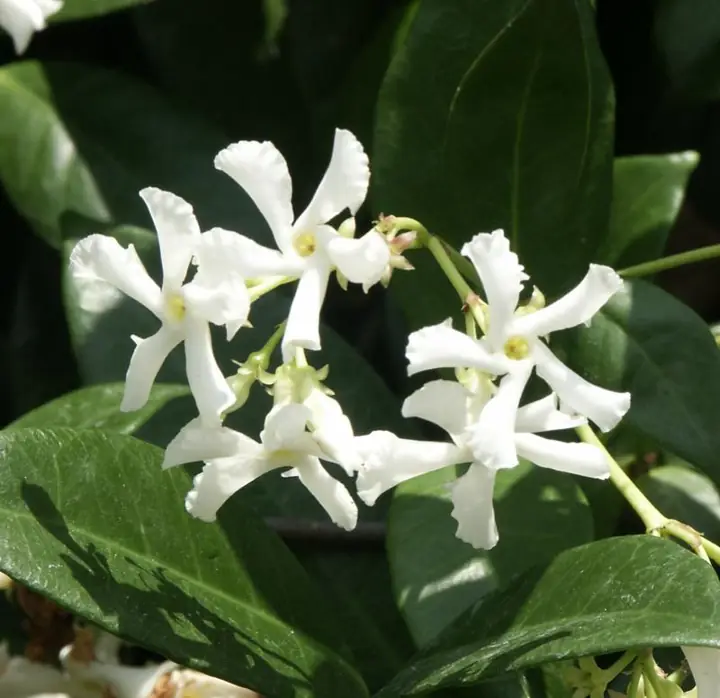 Climber
Evergreen climber with a strong spring scent. Ideal for fences and pergolas.
See profile →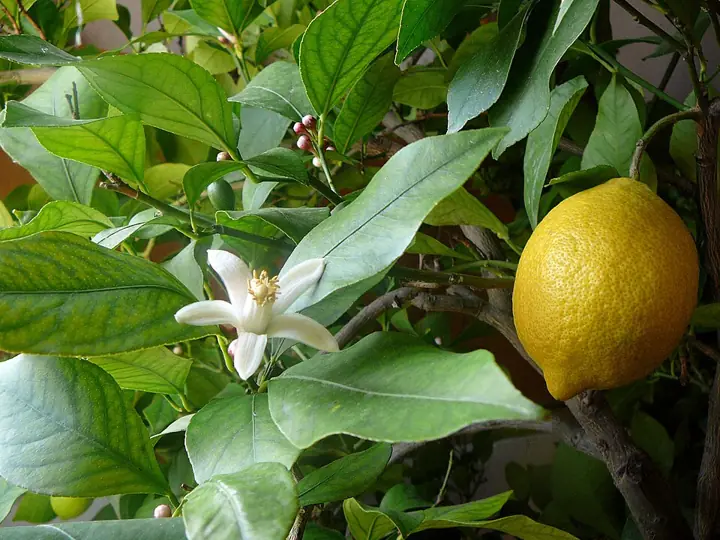 Fruit tree
Regular watering and spring feeding. On limy soils leaves may yellow: add iron chelate.
See profile →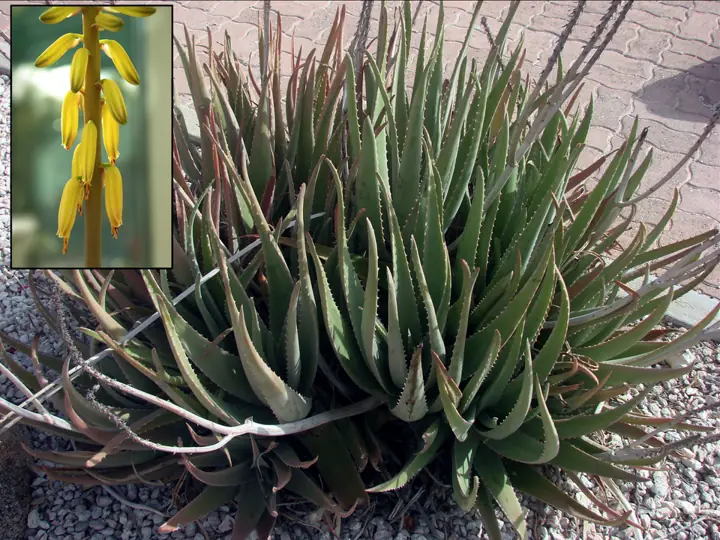 Succulent
Little water and very free-draining soil. Toxic to dogs and cats.
See profile →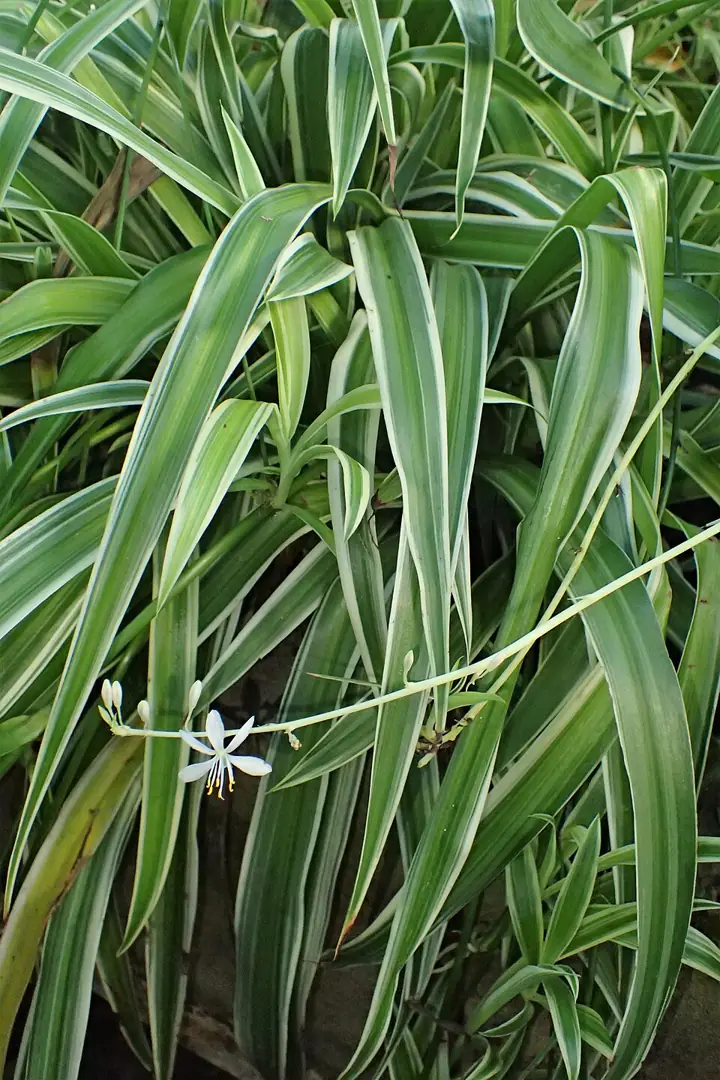 Houseplant
An almost indestructible, pet-safe houseplant. Indirect light and moderate watering.
See profile →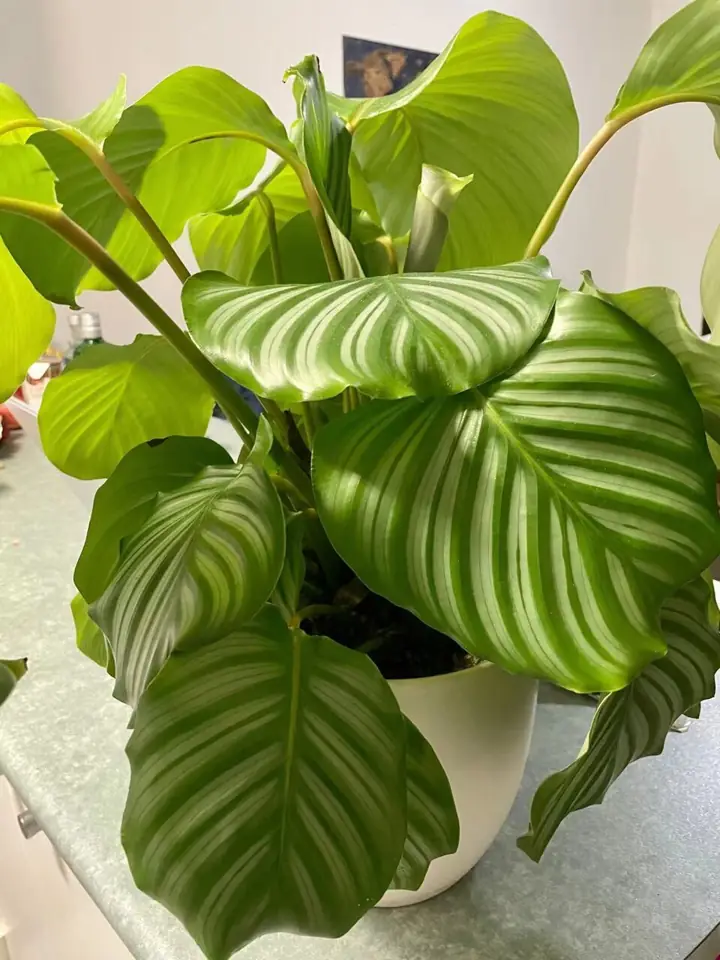 Houseplant
Indoors with soft light and humidity. Pet-safe. Use lime-free water if you can.
See profile →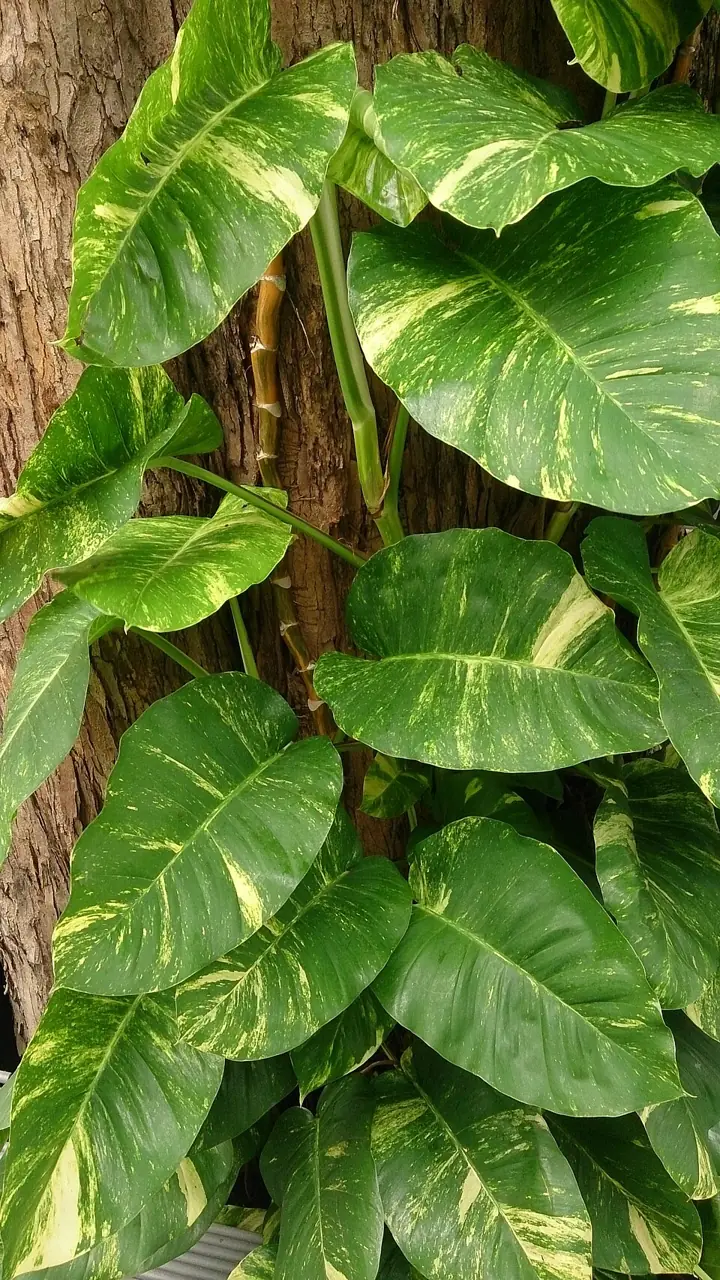 Houseplant
Copes with low light and missed watering. Toxic to dogs and cats.
See profile →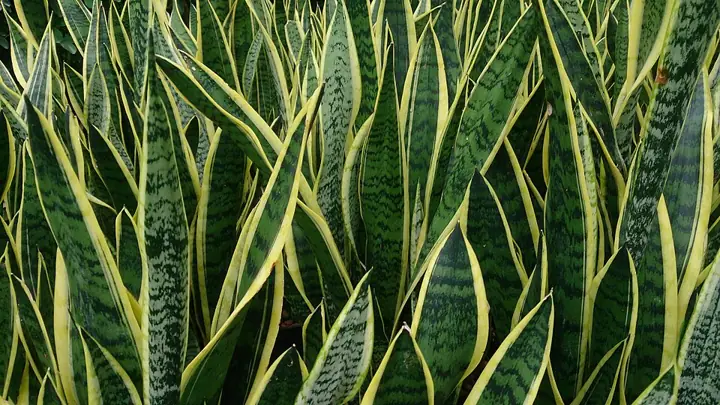 Houseplant
The toughest houseplant: water only when the soil is completely dry. Toxic to pets.
See profile →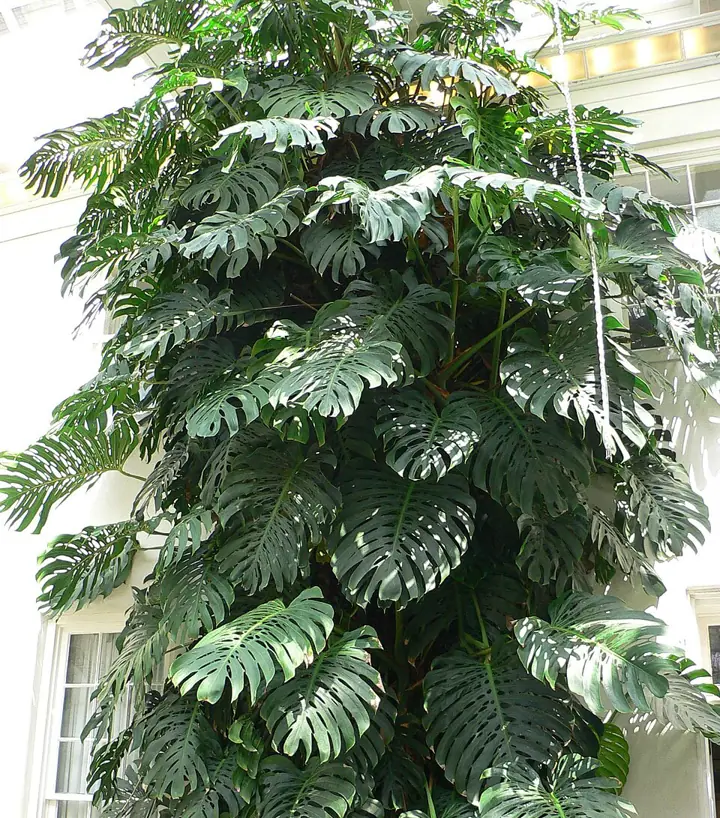 Houseplant
Bright indirect light; water when the top layer dries. Toxic to pets.
See profile →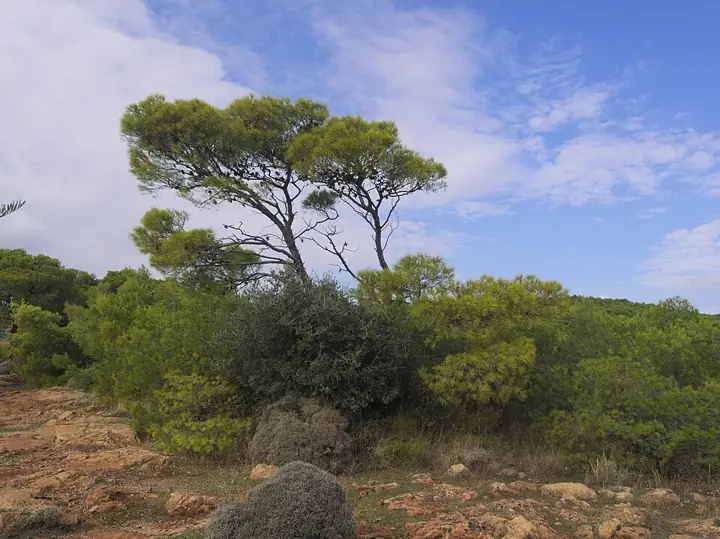 Tree
The islands' pine. Gives shade without watering. From January to April watch for processionary caterpillars: their hairs are very dangerous for dogs and children.
See profile →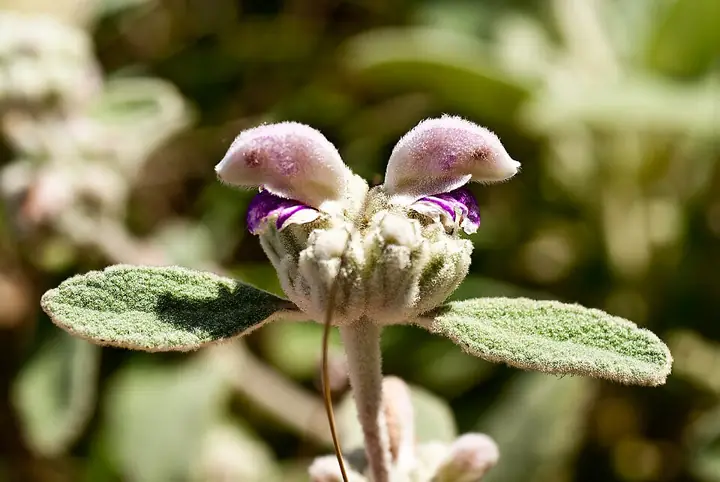 Shrub
Endemic to the Balearics, with silvery leaves and pink flowers in spring. Perfect for low-water gardens.
See profile →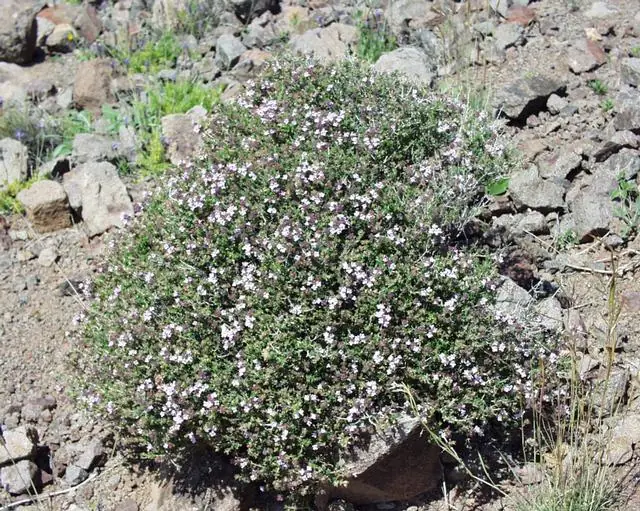 Herb
A sun-loving, low-water herb, ideal for edges and rockeries. Trim after flowering so it doesn't turn woody.
See profile →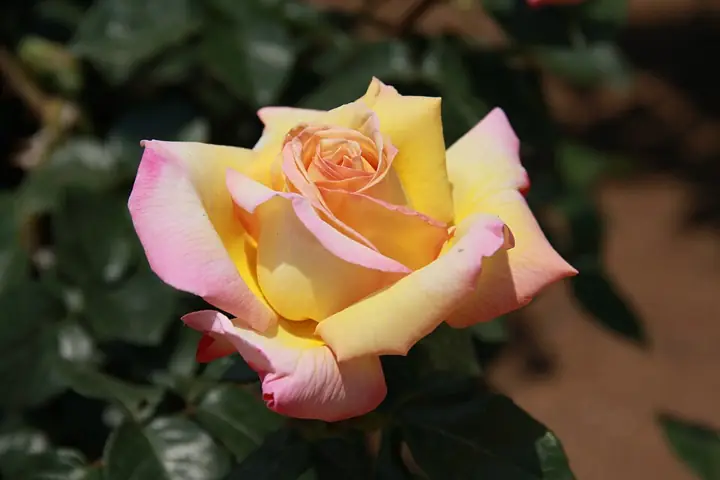 Shrub
Full sun, regular watering at the base and feeding in spring. Hard prune in January and deadhead to keep it flowering.
See profile →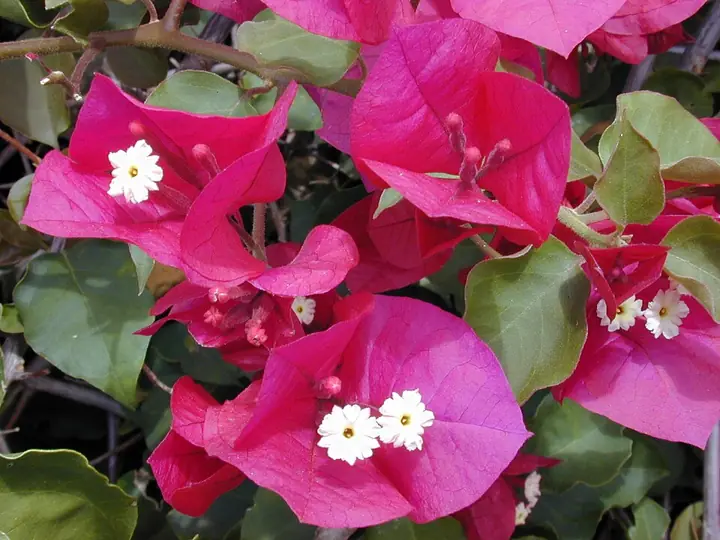 Climber
An intensely coloured climber from May to November. More sun and less water mean more flowers. It has thorns: train it carefully.
See profile →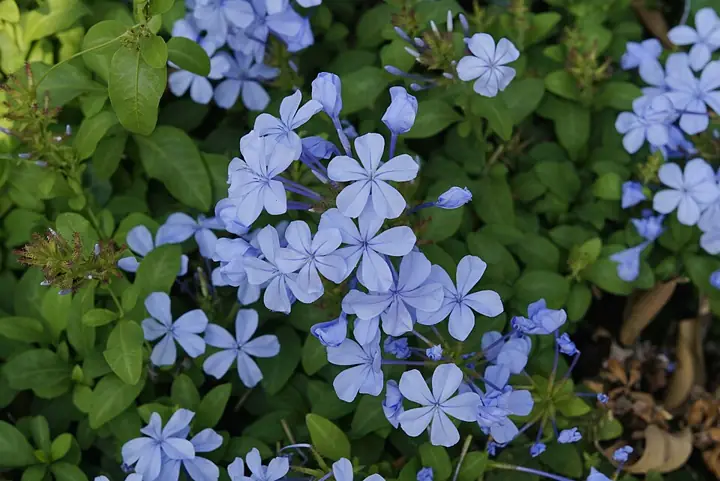 Shrub
Sky-blue flowers almost all year. A rewarding shrub for hedges and fences; prune it in late winter.
See profile →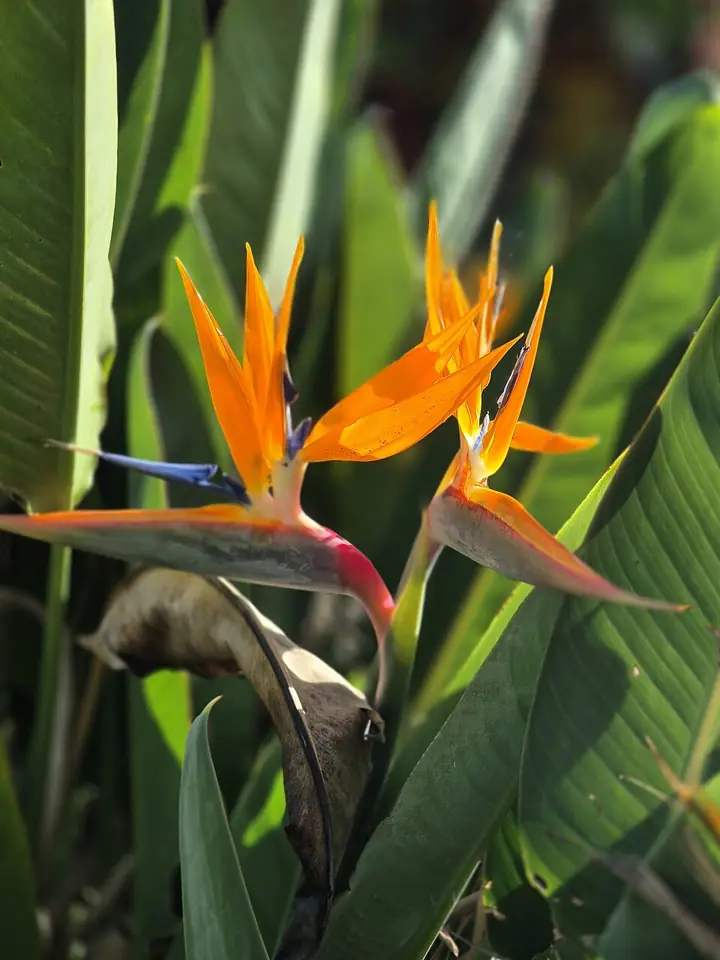 Flowering plant
An exotic orange-and-blue flower in winter and spring. Outdoors it needs a frost-free spot; in a pot, lots of light.
See profile →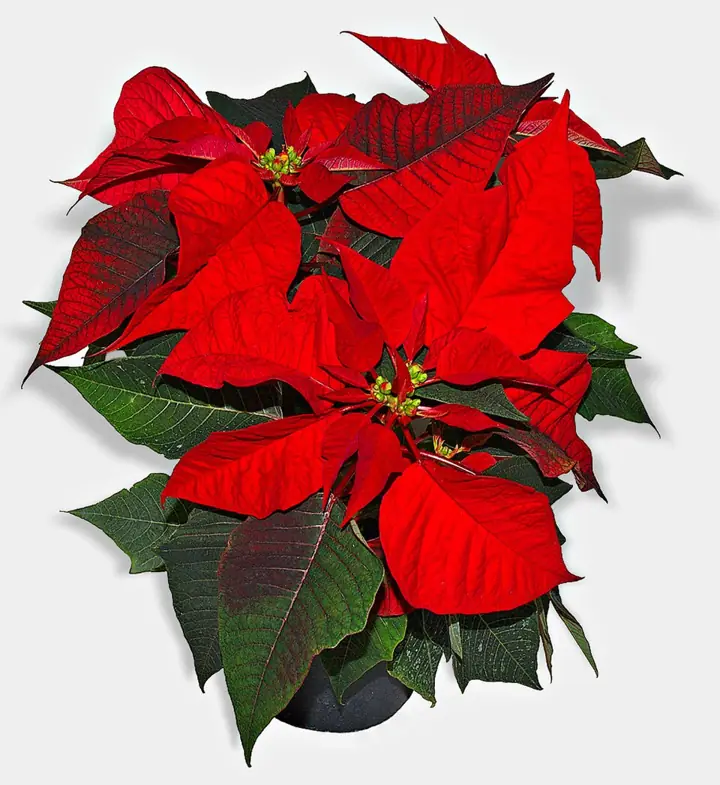 Houseplant
The Christmas plant. Bright light without direct sun, away from draughts and radiators; water only when the soil dries.
See profile →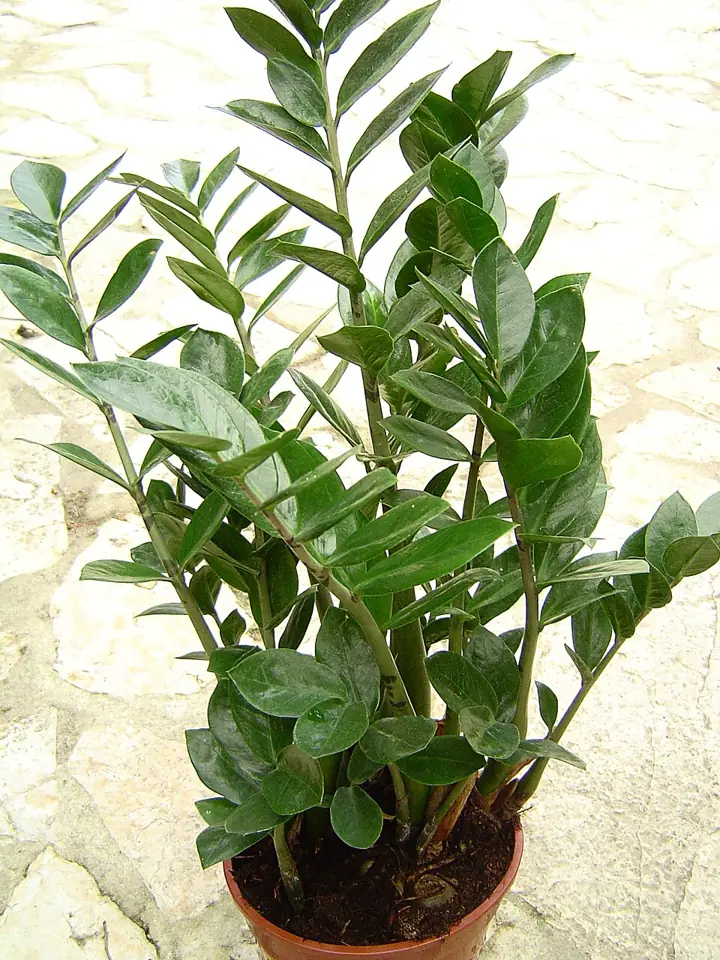 Houseplant
An almost indestructible houseplant: copes with low light and weeks without water. Water only when the soil is fully dry.
See profile →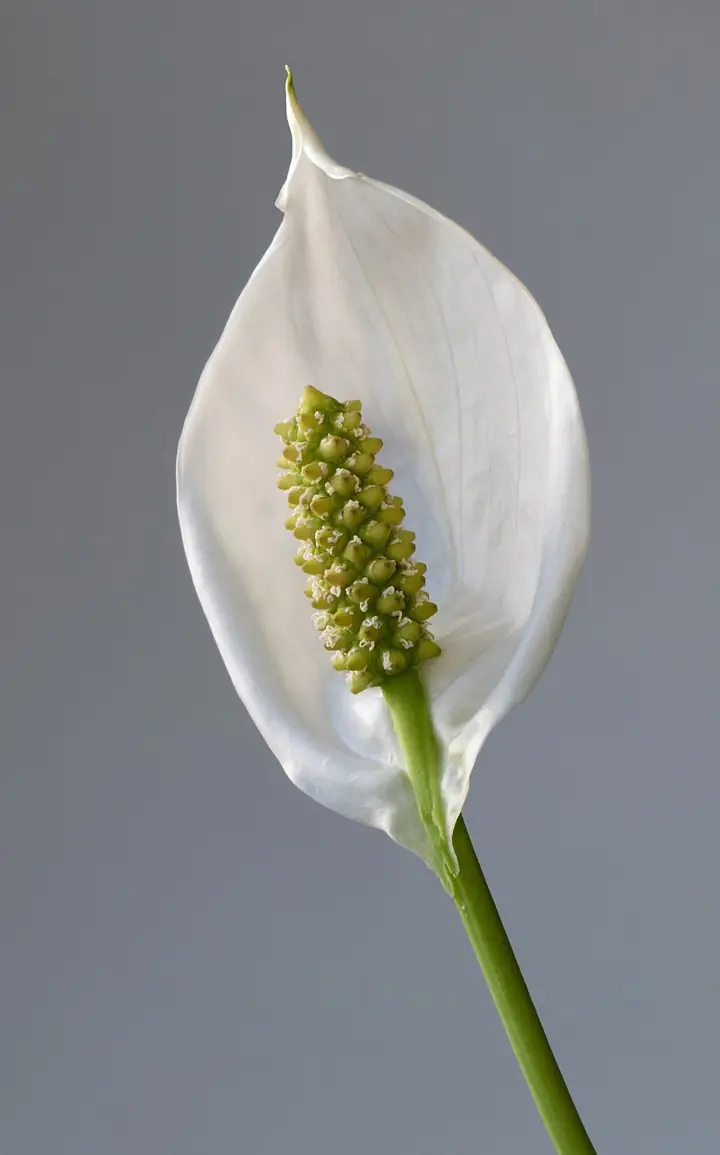 Houseplant
White flowers indoors in low light. It droops its leaves to tell you it's thirsty. Enjoys humid air.
See profile →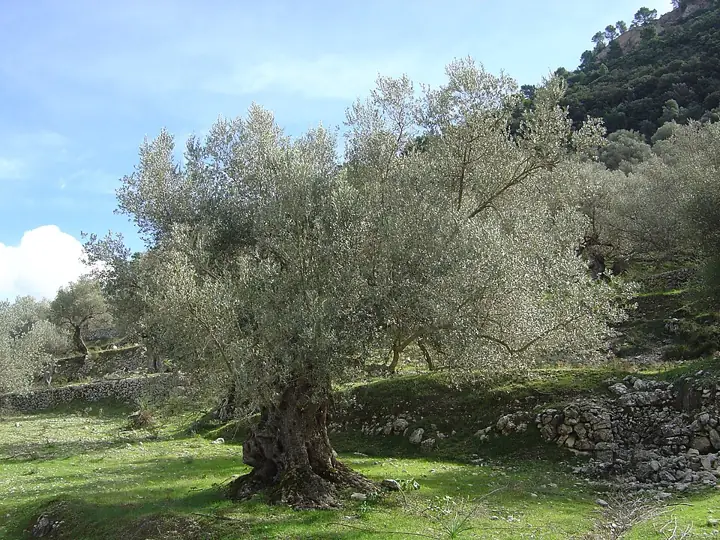 Tree
Majorca's tree par excellence. Lives for centuries on very little water; thinning it out in late winter keeps it healthy.
See profile →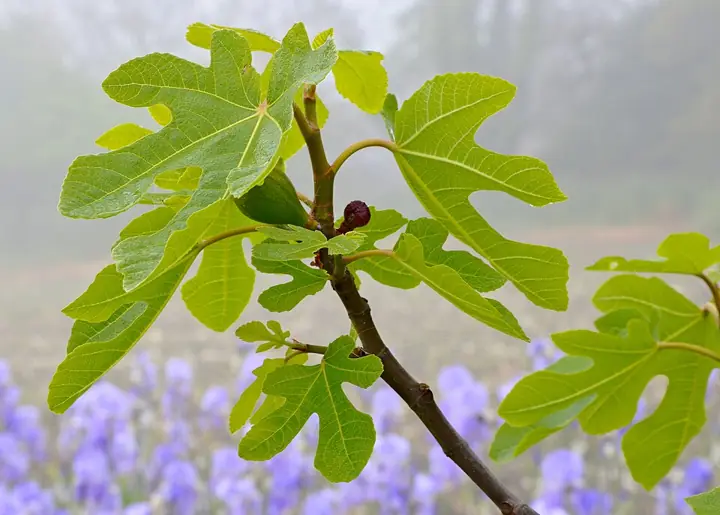 Fruit tree
Copes with drought and poor soil and fruits in late summer. Its sap irritates the skin, so wear gloves when pruning.
See profile →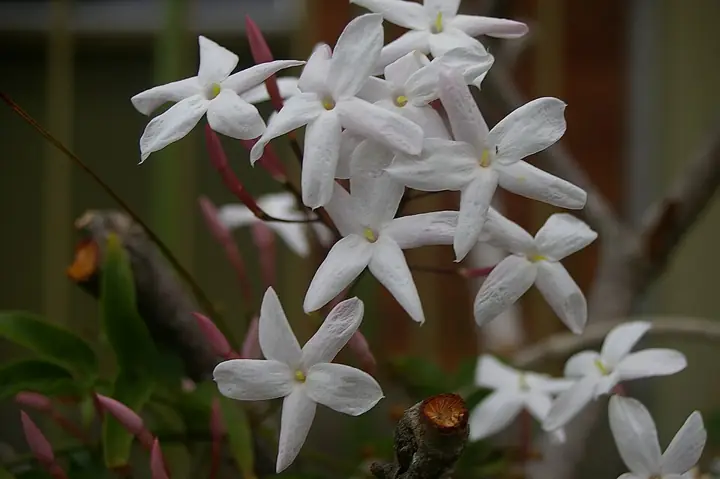 Climber
Highly scented white flowers in summer. Needs support to climb and a light trim once flowering is over.
See profile →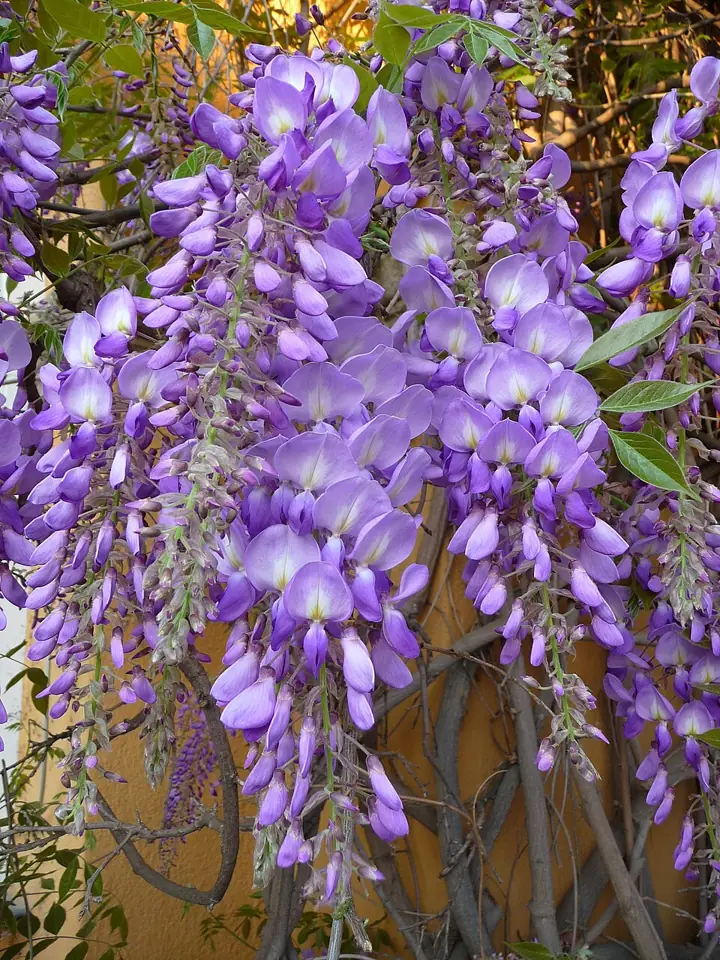 Climber
Fragrant lilac clusters in spring. A vigorous grower: it needs a sturdy pergola and pruning twice a year, in summer and winter.
See profile →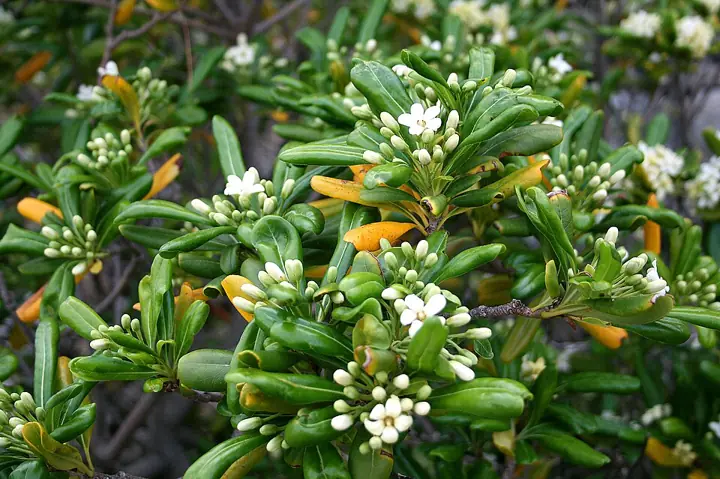 Shrub
A hedge that stands up well to wind and salt spray. White, orange-blossom-scented flowers in spring.
See profile →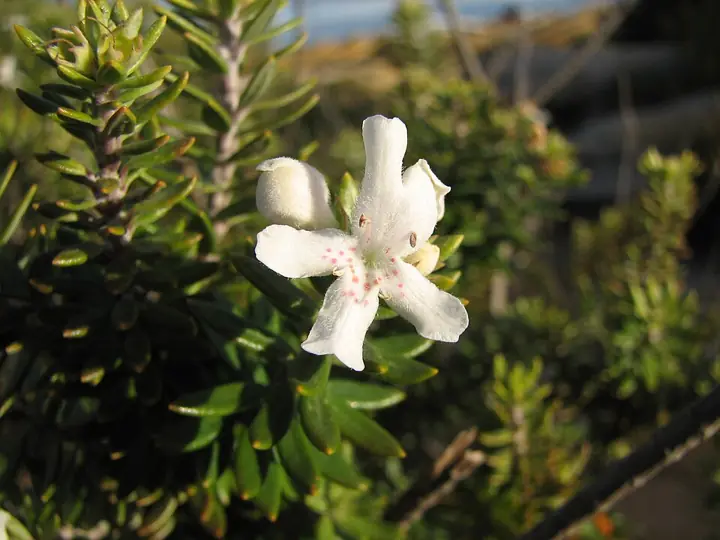 Shrub
Like rosemary but more compact. Copes with seafront sites and clips well into low hedges.
See profile →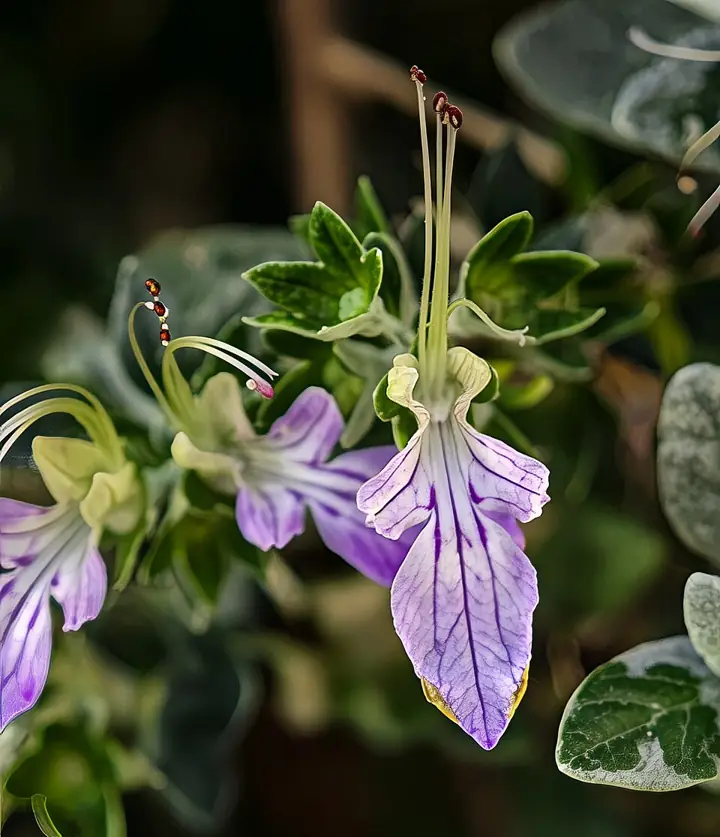 Shrub
Silvery leaves and pale blue flowers for much of the year. Very drought tolerant, ideal for Mediterranean-style hedges.
See profile →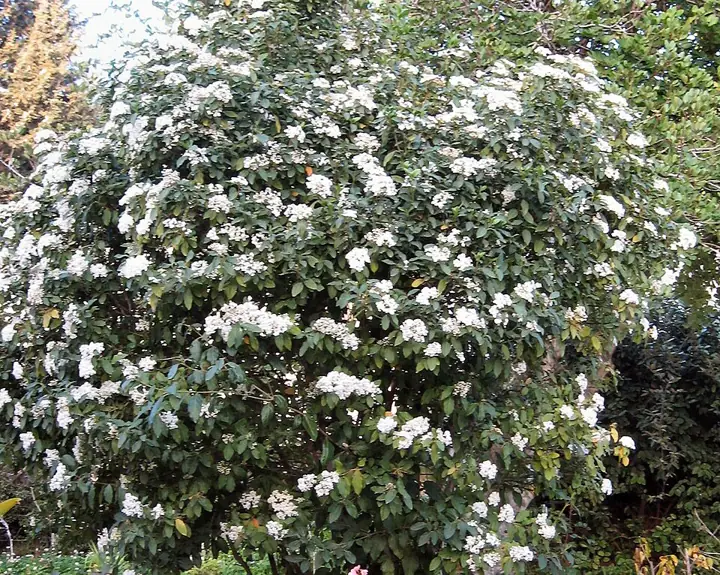 Shrub
A native shrub that flowers in the depths of winter. Tolerates part shade and suits informal hedges.
See profile →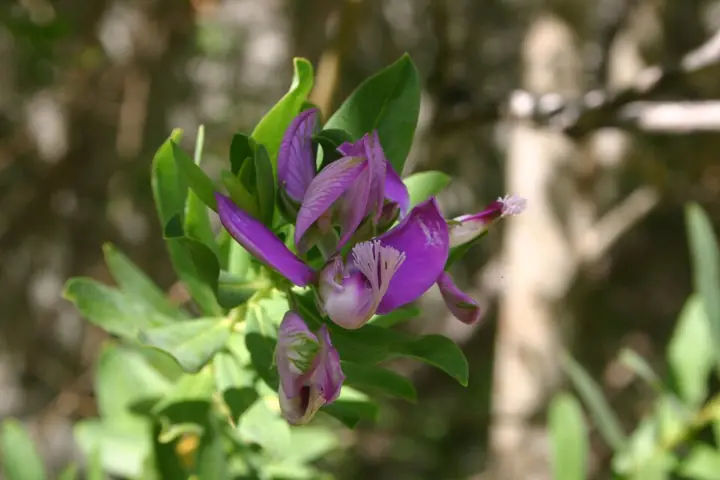 Shrub
Violet flowers almost all year and very heat tolerant. Watch out for Xylella: if branches dry out for no reason, ask us.
See profile →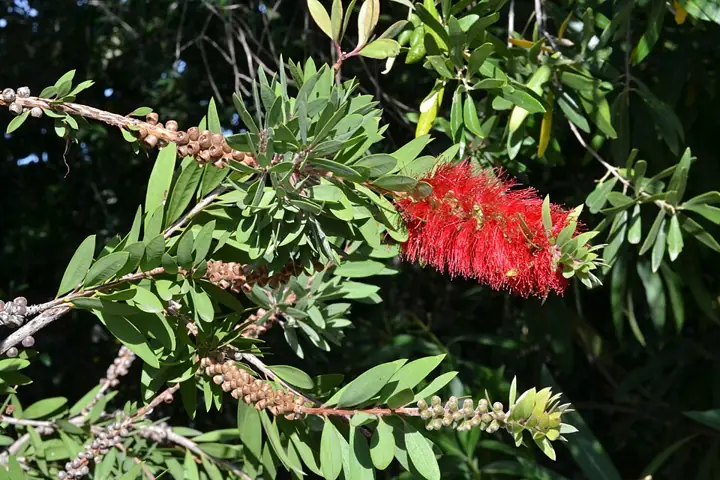 Shrub
Its red brush-shaped flowers draw bees and birds. Handles wind and limy soil well.
See profile →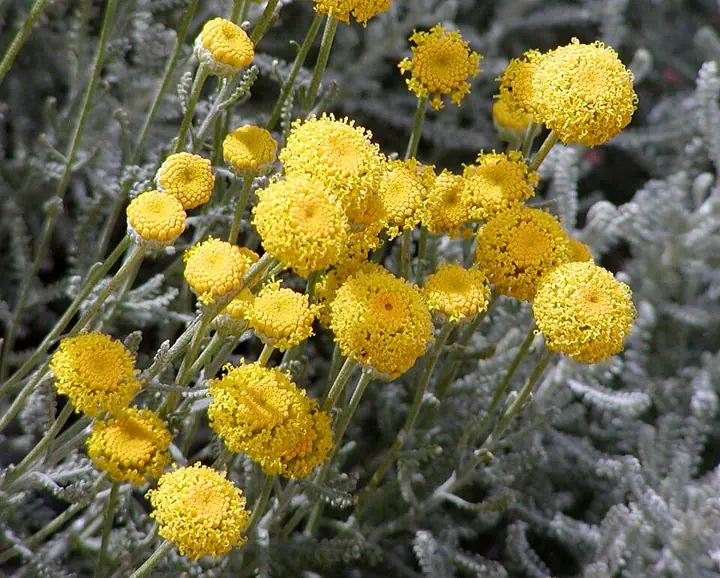 Herb
A grey, aromatic mound with yellow button flowers in summer. Wants sun, loose soil and hardly any water.
See profile →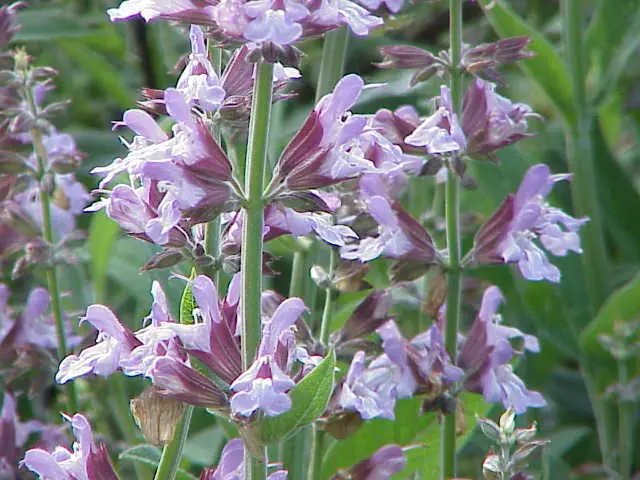 Herb
A kitchen herb with lilac flowers that bees love. Pruning after flowering stops it getting woody.
See profile →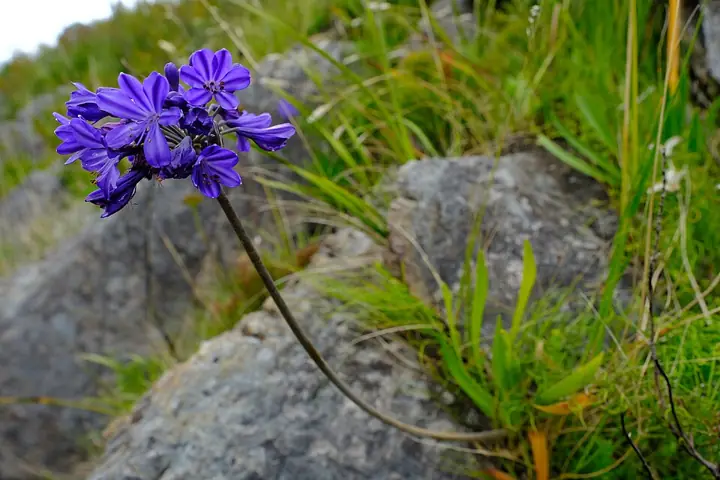 Flowering plant
Balls of blue or white flowers in summer. Flowers best when slightly pot-bound.
See profile →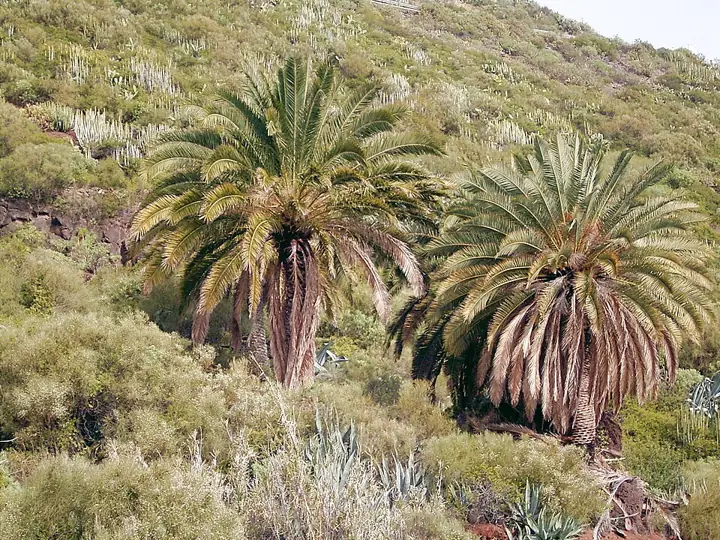 Palm
A large palm that is very vulnerable to the red palm weevil: prune it only in winter and treat it preventively.
See profile →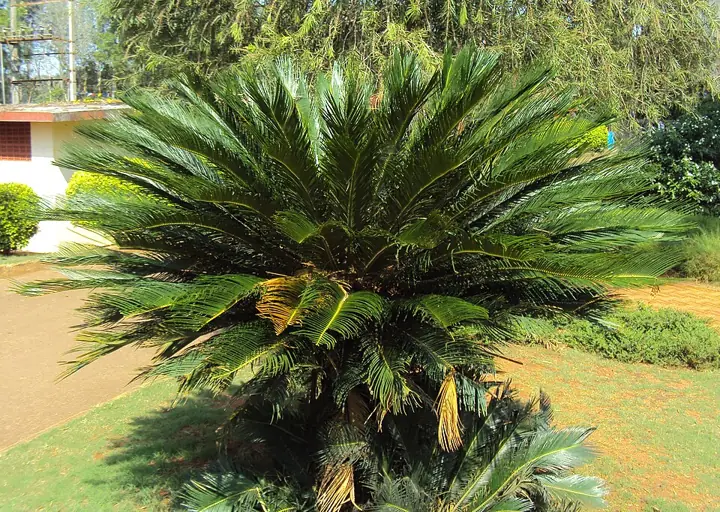 Palm
Looks like a palm but is far more ancient. Grows very slowly and is highly toxic to dogs and cats.
See profile →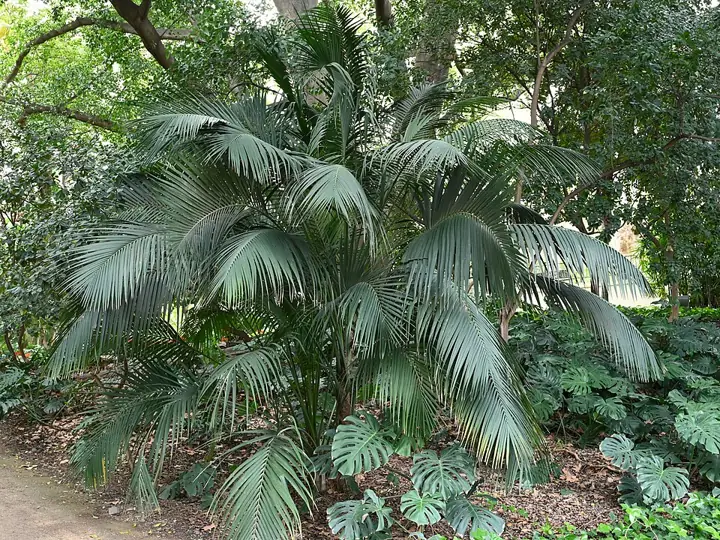 Houseplant
The most forgiving indoor palm: copes with low light and dry air. Water when the top of the soil is dry.
See profile →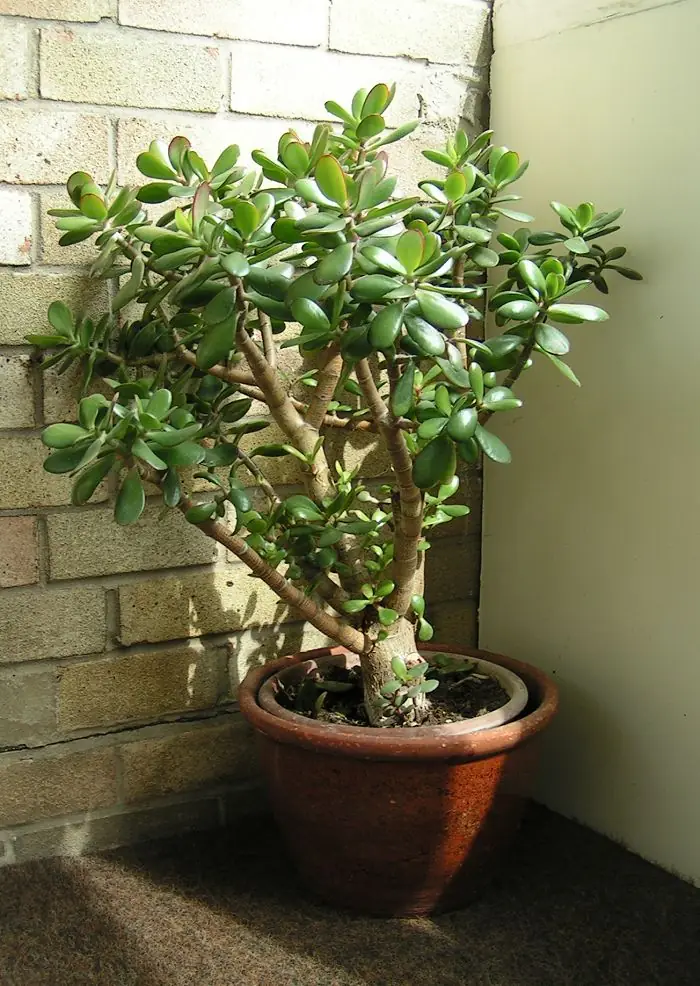 Succulent
A fleshy-leaved succulent that lives for decades in a pot. Let the soil dry between waterings: too much water rots it.
See profile →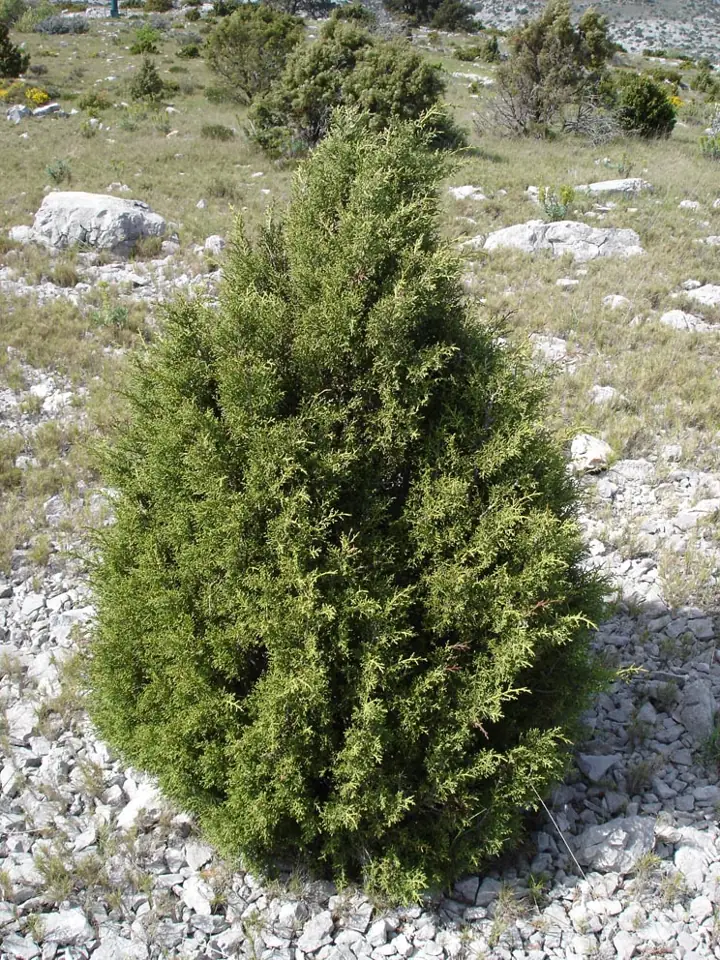 Shrub
A native conifer of dunes and cliffs. Slow-growing, salt-tolerant and needs almost no water.
See profile →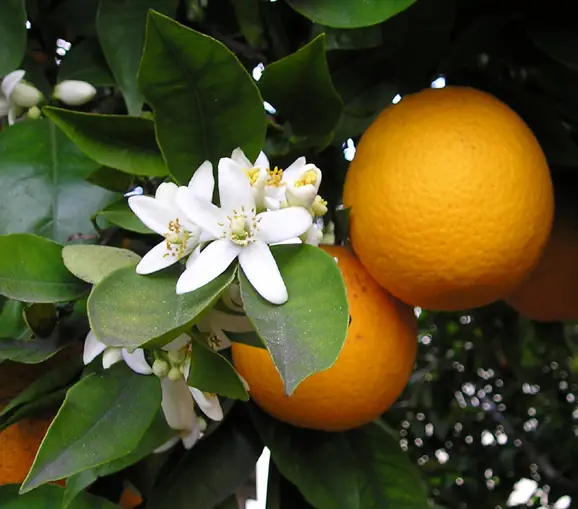 Fruit tree
Scented blossom in spring and oranges in winter. Needs regular watering in summer and citrus feed from February to September.
See profile →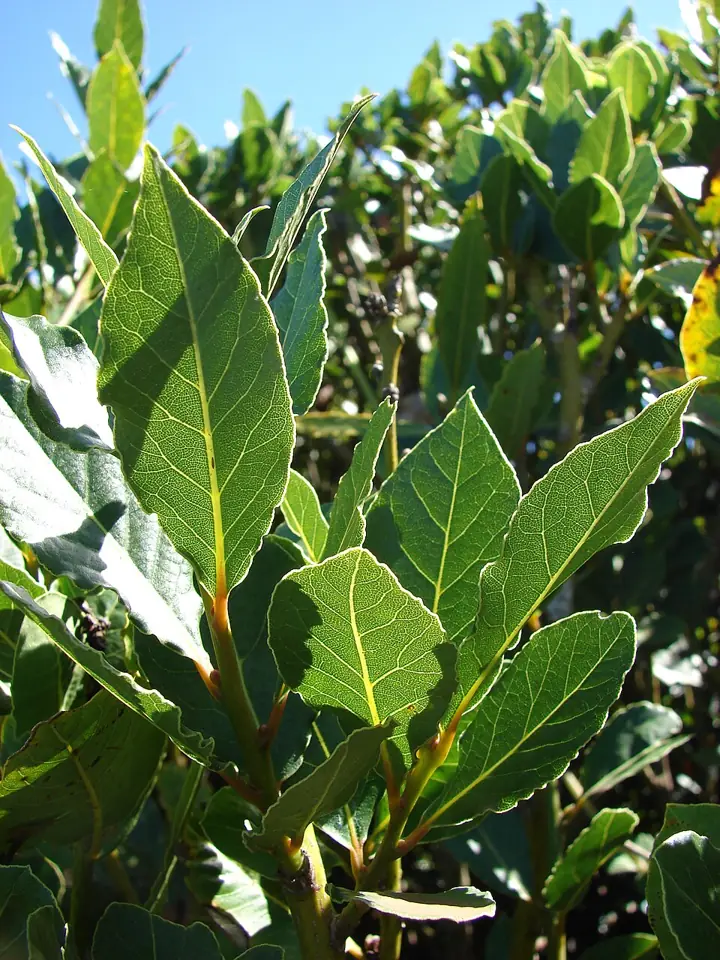 Shrub
Leaves for the kitchen all year round. Clips well as a hedge or in a pot and tolerates drought once established.
See profile →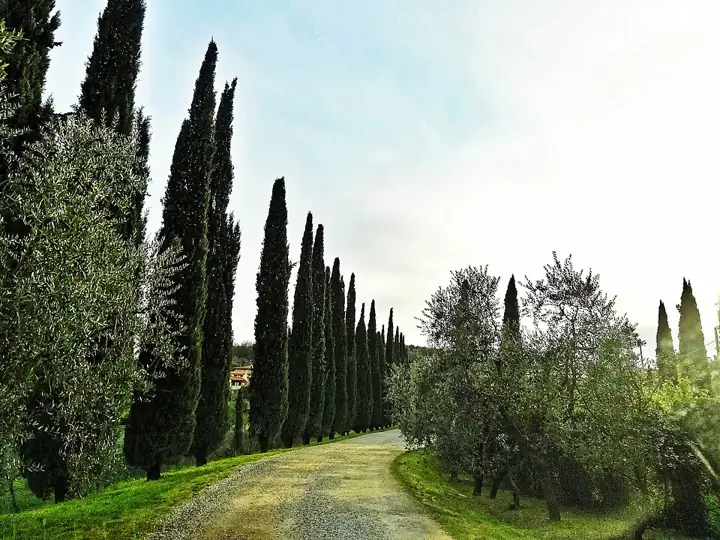 Tree
A green column that needs no pruning and hardly any water. Space hedge plants well and avoid waterlogging, which brings fungal disease.
See profile →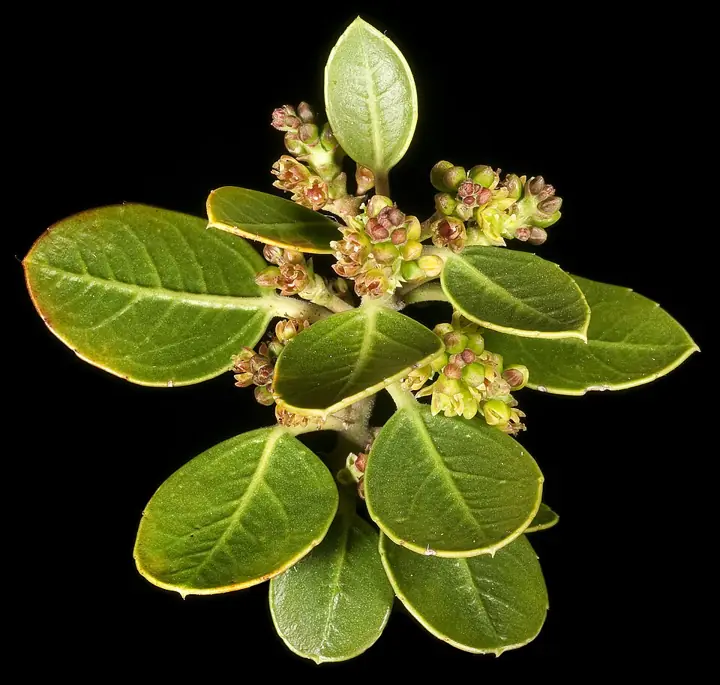 Shrub
A native evergreen shrub with glossy leaves. Fast-growing, drought and wind tolerant, with berries that birds love.
See profile →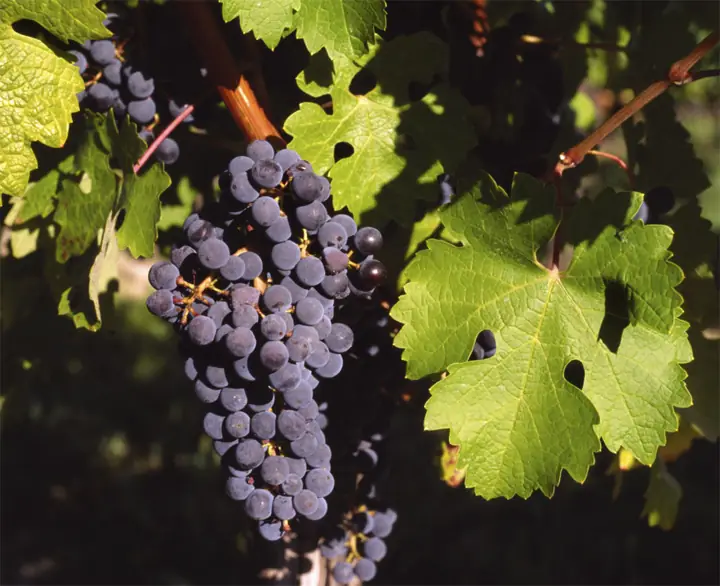 Climber
The classic shade for Majorcan pergolas, with grapes in late summer. Prune in winter, when it is leafless.
See profile →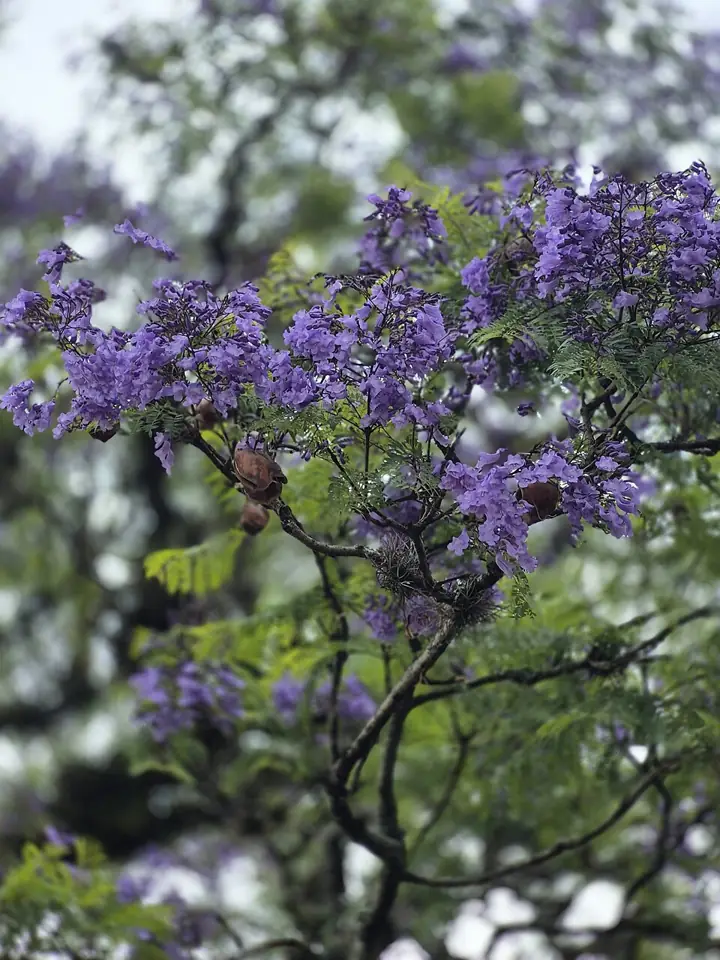 Tree
Smothered in lilac flowers in late spring. Needs a spot sheltered from wind and watering during its first summers.
See profile →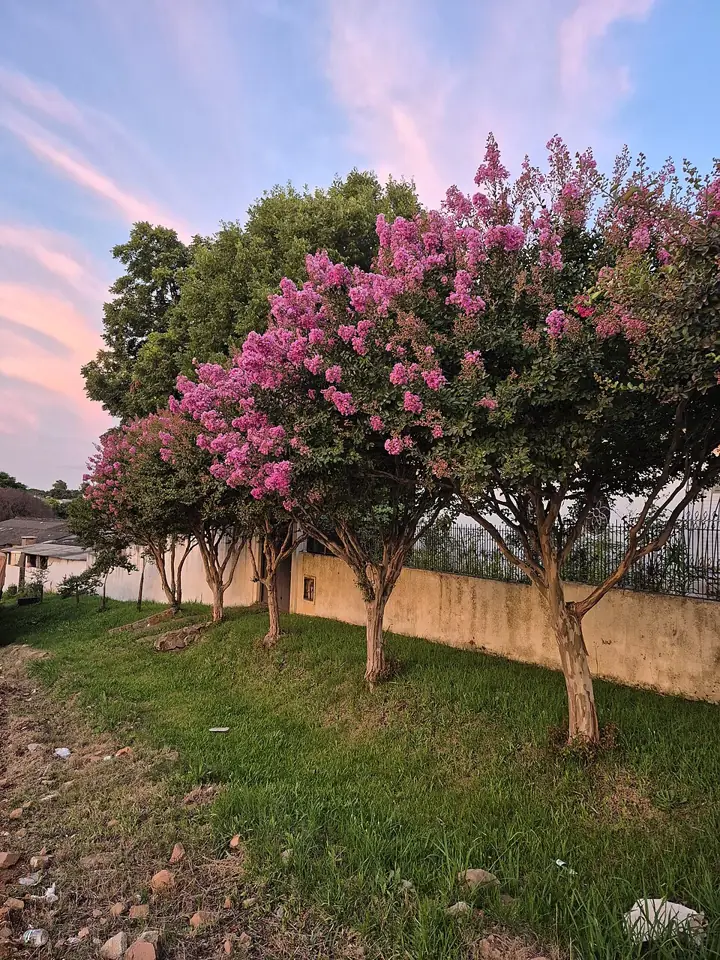 Tree
Flowers in high summer, when little else does. A small tree, ideal for gardens and patios; prune in late winter.
See profile →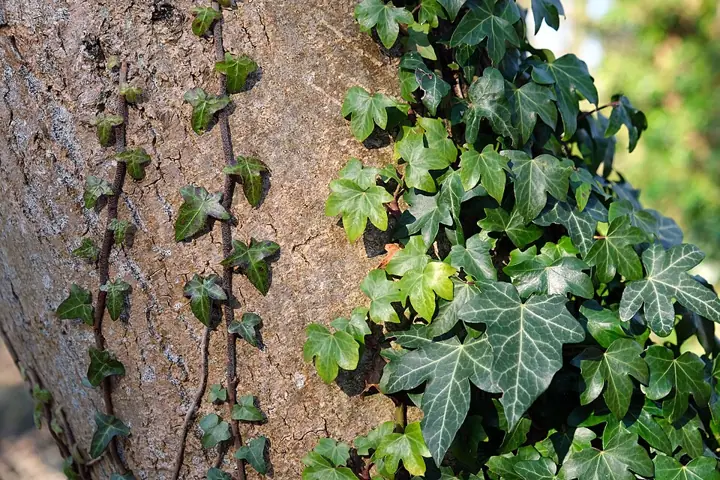 Climber
Covers walls and ground in shade, where little else grows. Trim once or twice a year to keep it in check. Toxic to pets.
See profile →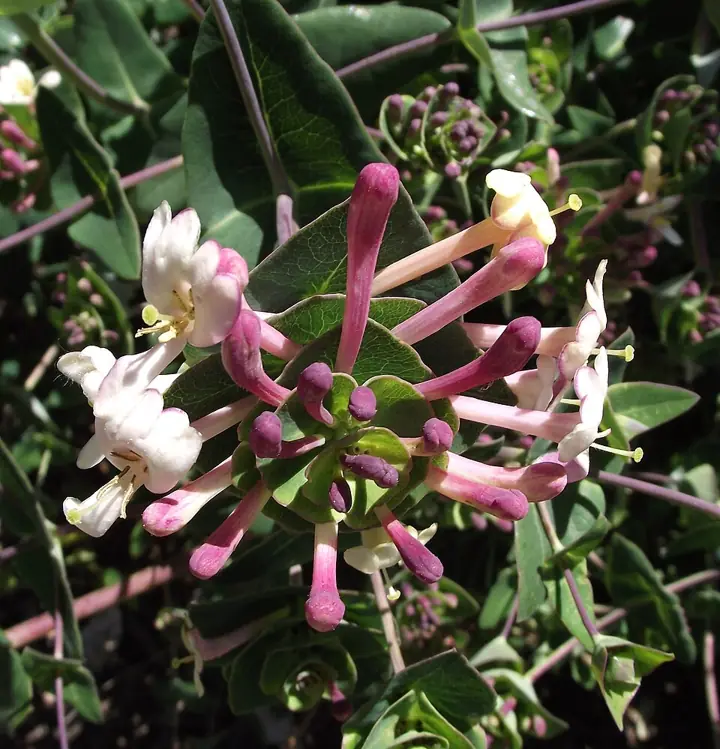 Climber
Majorca's native honeysuckle: scented flowers in spring and little water needed. Ideal for covering fences.
See profile →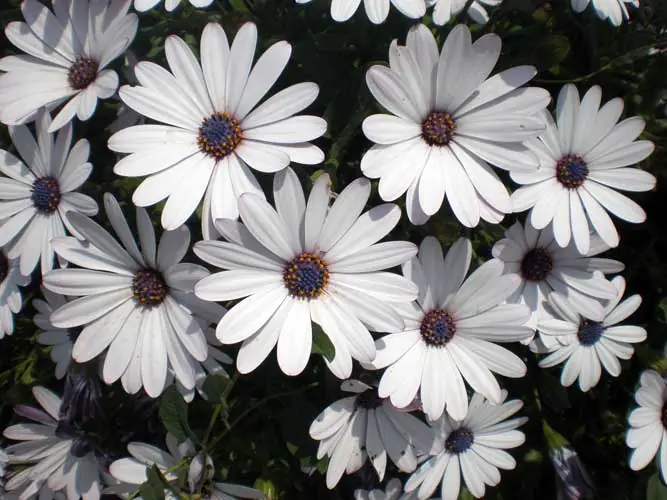 Flowering plant
A carpet of daisies in spring and autumn. Deadhead it and trim in summer for a second flush.
See profile →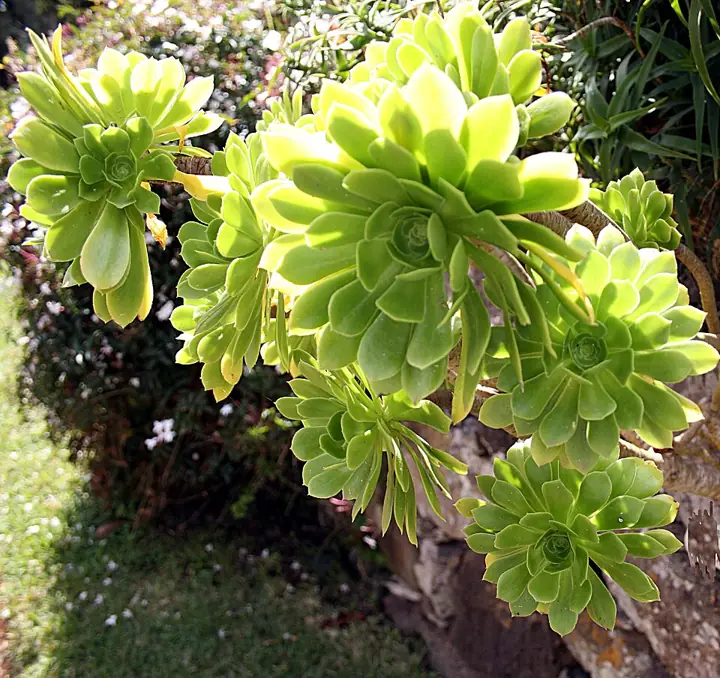 Succulent
Rosettes of fleshy leaves on bare stems. It grows in winter and rests in summer: water sparingly in the heat.
See profile →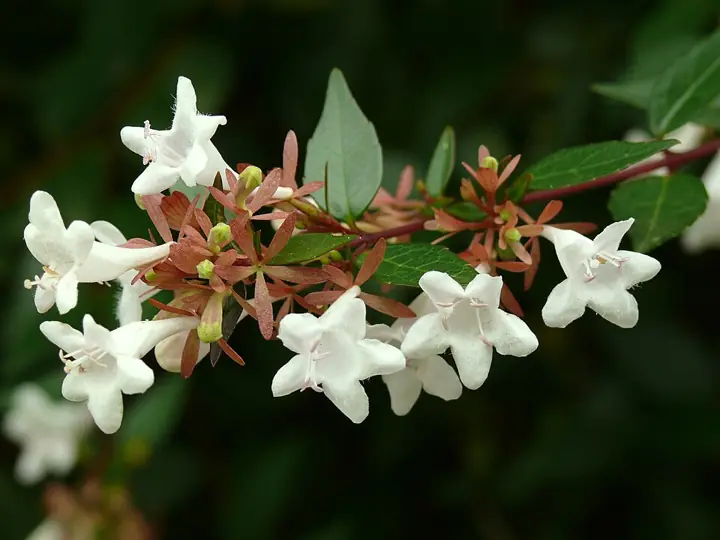 Shrub
Flowers from June to October with white bells that attract butterflies. Good for informal hedges and needs little pruning.
See profile →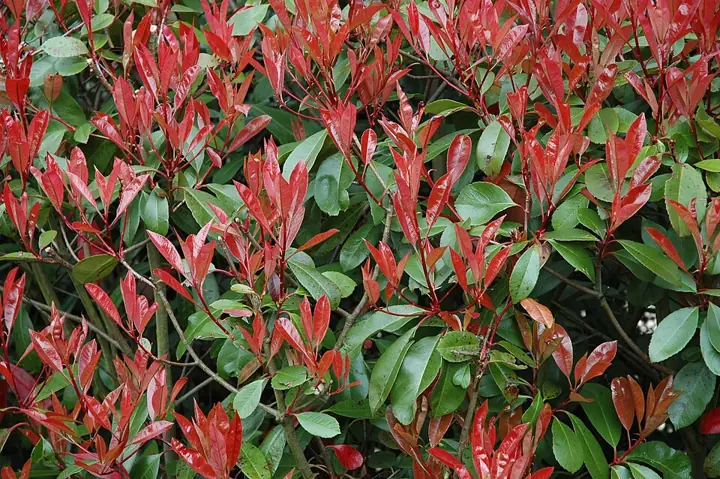 Shrub
A hedge with striking red shoots. Every trim brings a new flush of red leaves; water in summer until established.
See profile →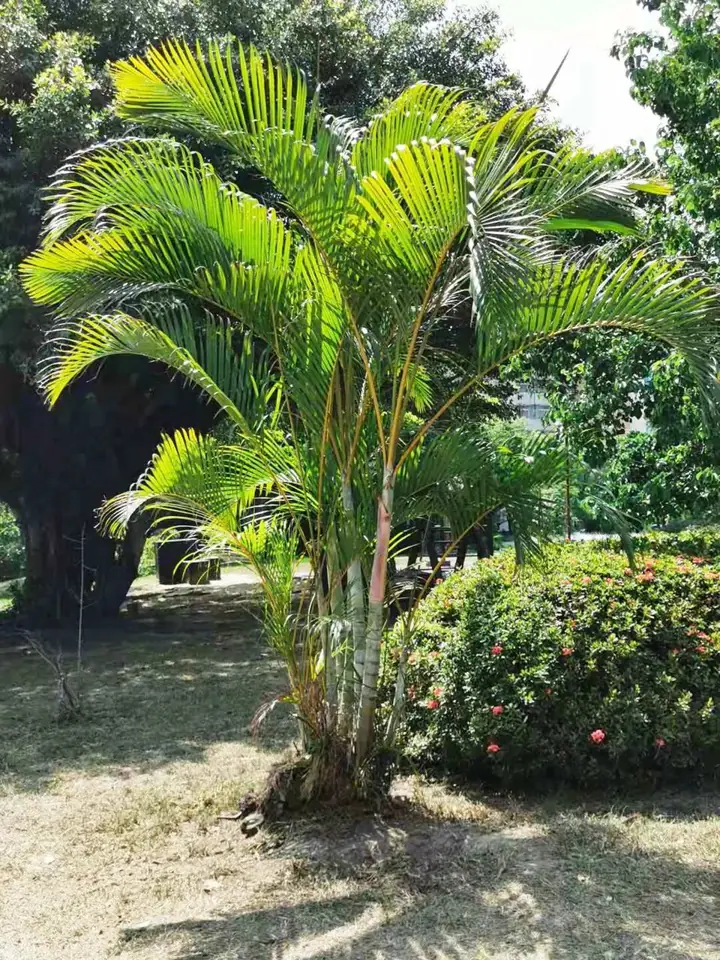 Houseplant
An indoor palm with fine, arching fronds. Wants bright light without direct sun and soil kept slightly moist.
See profile →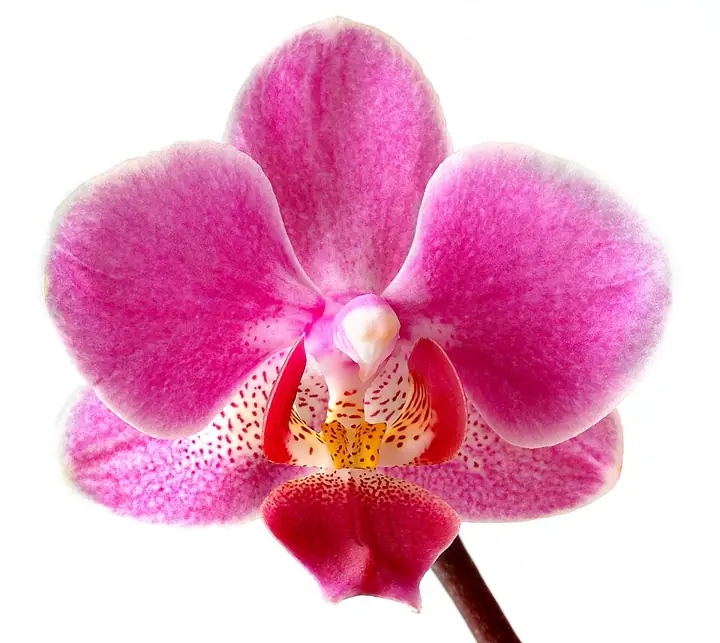 Houseplant
The easiest orchid. Water by soaking once a week and let it drain well; bright light, no direct sun.
See profile →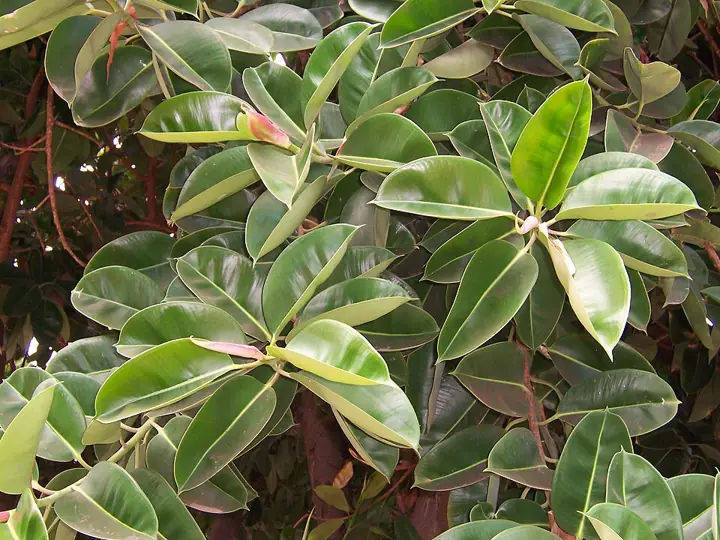 Houseplant
Large glossy leaves for bright rooms. Wipe dust off the leaves and water when the top of the soil dries out.
See profile →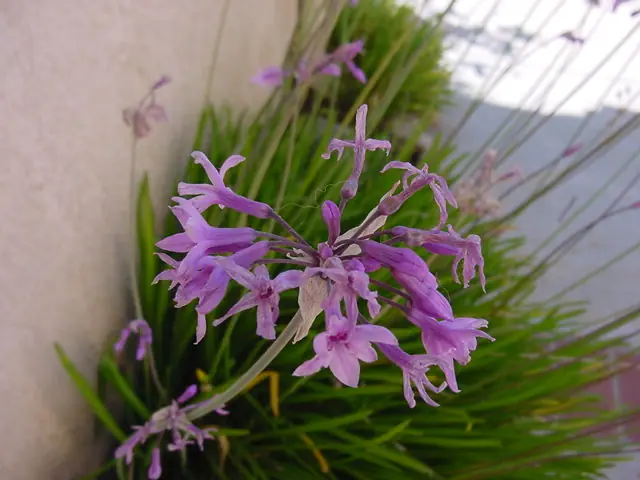 Flowering plant
Clumps of lilac flowers from spring to autumn on very little water. Widely used for edging; the leaves smell of garlic when touched.
See profile →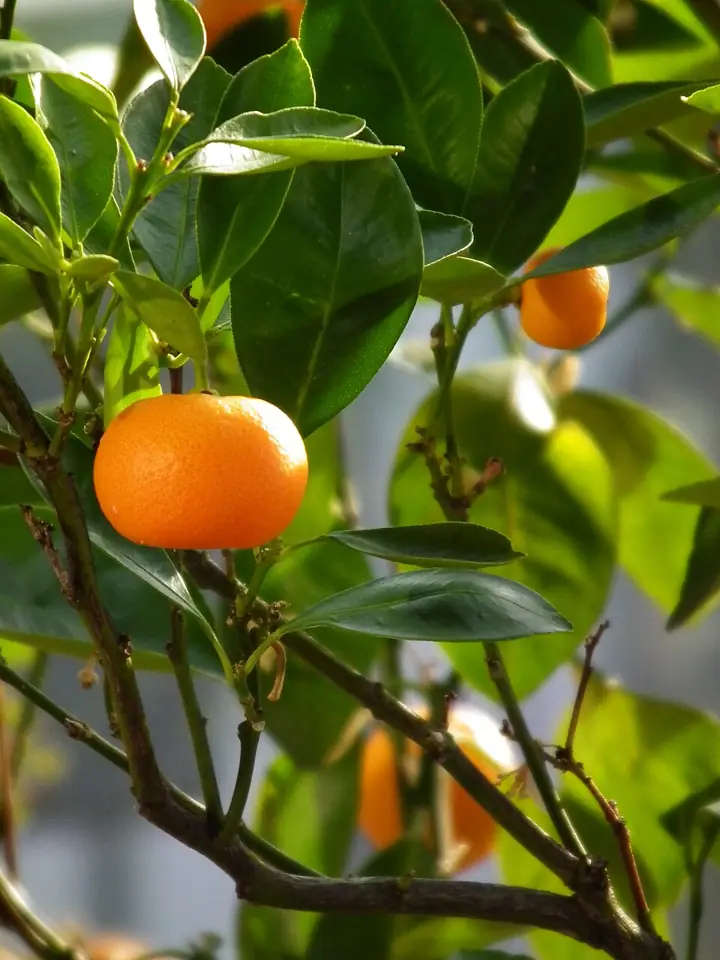 Fruit tree
The most rewarding citrus for a pot. Mandarins from autumn to winter; needs sun, regular summer watering and citrus feed.
See profile →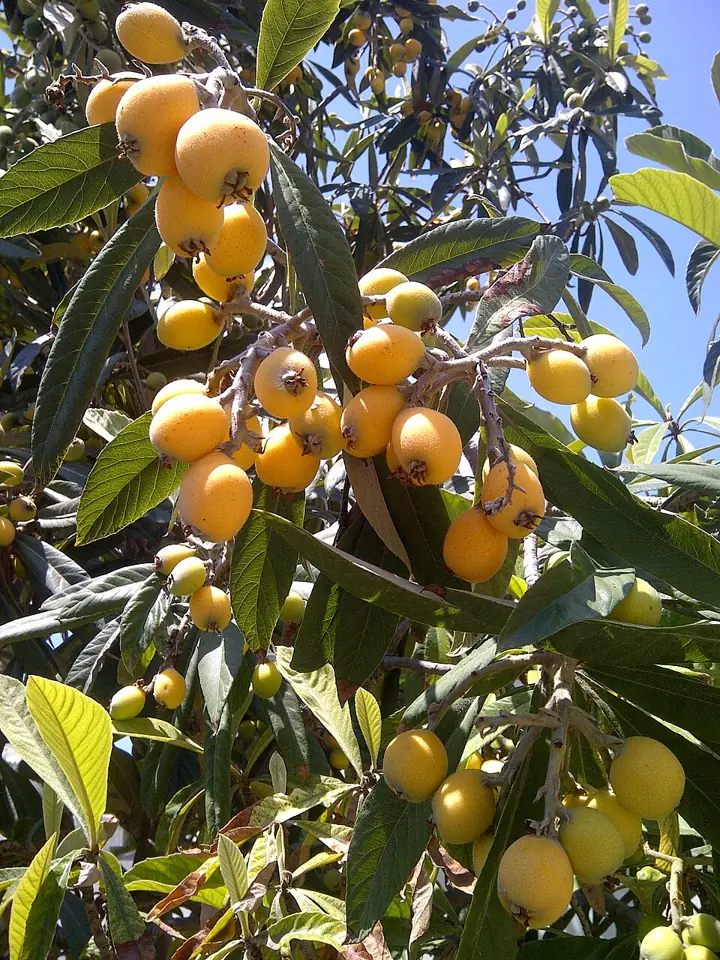 Fruit tree
Flowers in autumn and fruits in spring, when almost no other fruit tree does. Evergreen with good shade; prune after harvest.
See profile →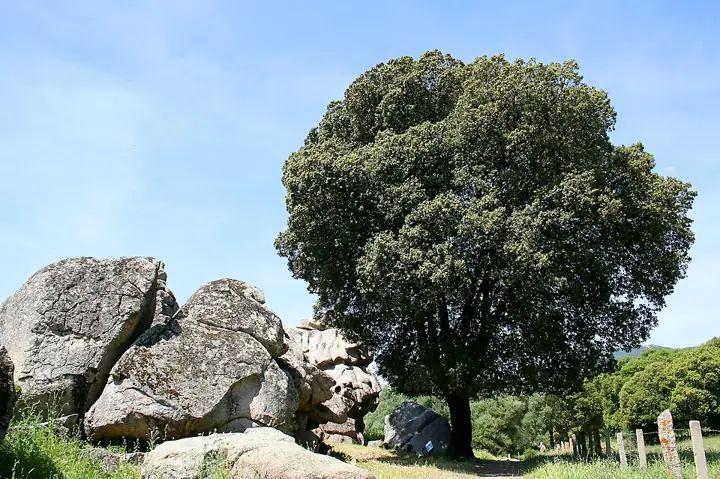 Tree
The tree of the Serra de Tramuntana woods. Slow-growing, lives for centuries and needs no watering once established. Plant it young, in autumn.
See profile →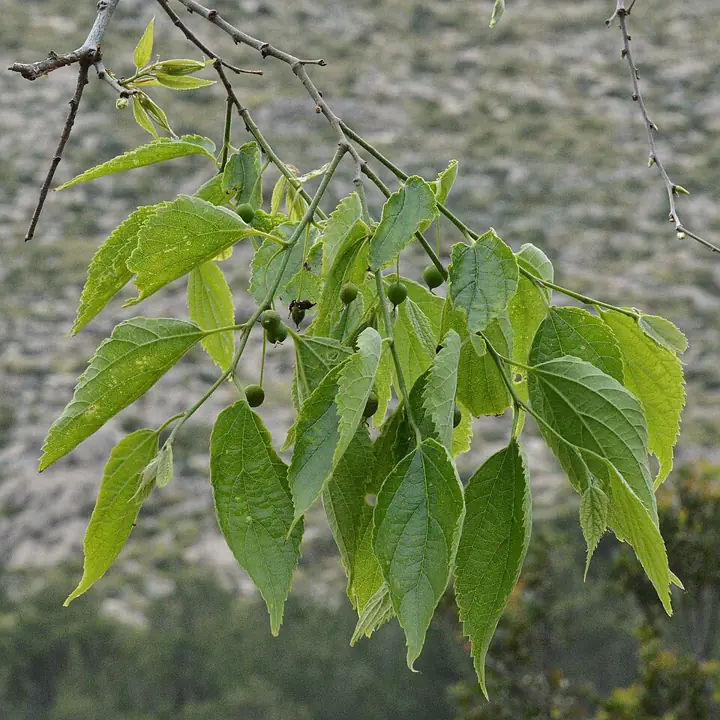 Tree
The classic shade tree of Majorcan squares and estates: broad shade in summer, bare in winter. Drought-resistant and deep-rooted.
See profile →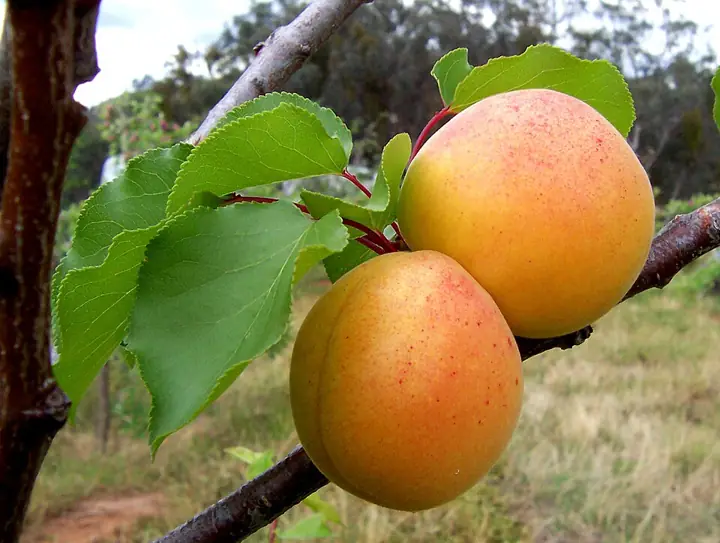 Fruit tree
A traditional fruit tree of Mallorca's central plain. Early blossom in February and fruit in June. Prune in summer, after harvest, to avoid gummosis.
See profile →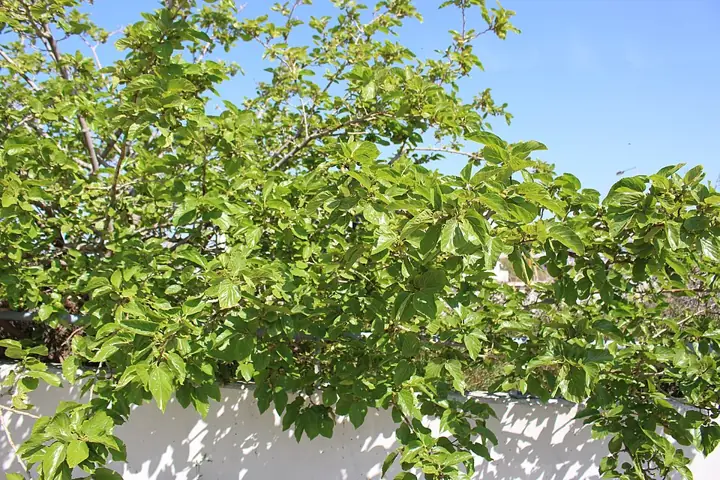 Tree
Fast, dense shade for terraces and parking areas. Choose fruitless varieties to avoid stains; takes hard pruning in winter.
See profile → Palm
The tall, slender palm of promenades. Fast-growing and tolerant of wind and salt. Less attacked by the weevil than the Canary palm, but worth watching.
See profile →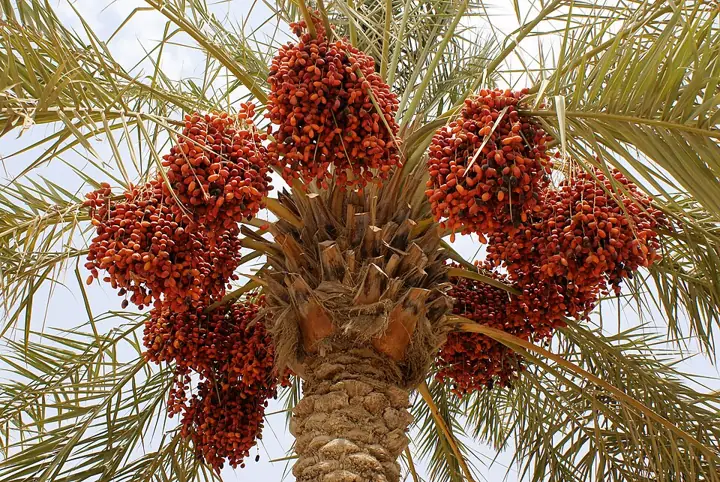 Palm
Slimmer and greyer-leaved than the Canary palm; it often suckers at the base. It also suffers from red palm weevil: prune only in winter and treat it.
See profile →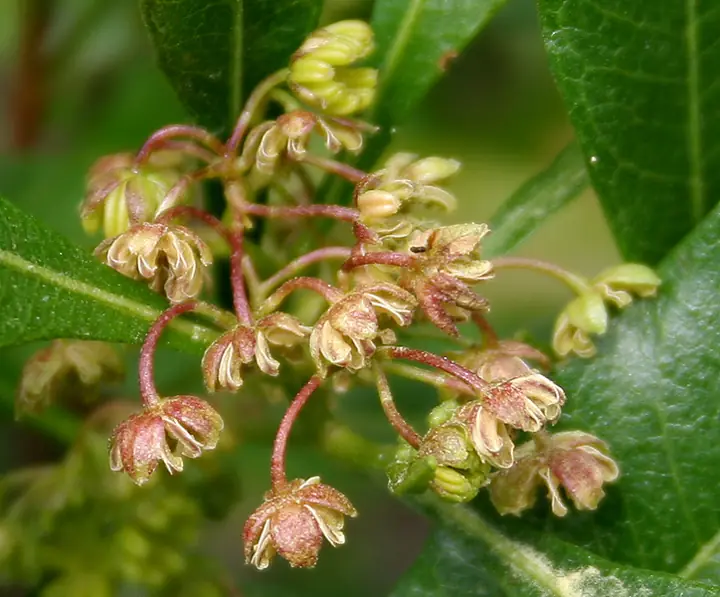 Shrub
A fast hedge with fine green or purple foliage. Takes wind, salt and drought, and clips well. Ideal for screening a plot quickly.
See profile →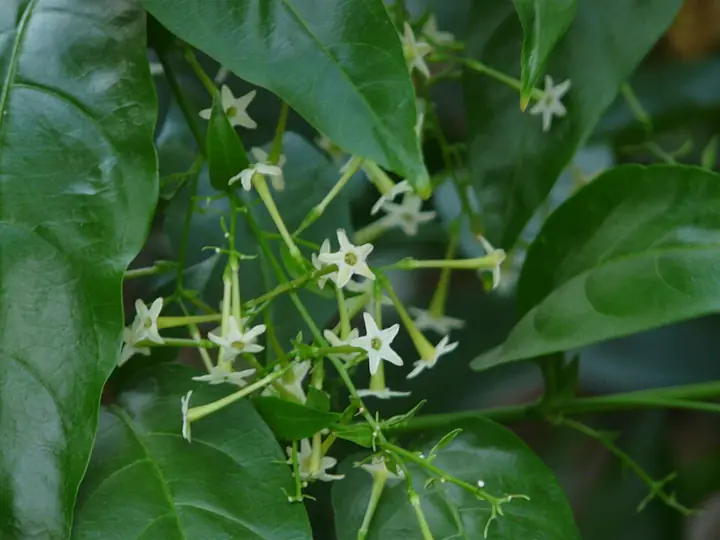 Shrub
The classic of Majorcan patios: on summer nights it scents the whole garden. Regular watering and a prune in late winter. Toxic if eaten.
See profile →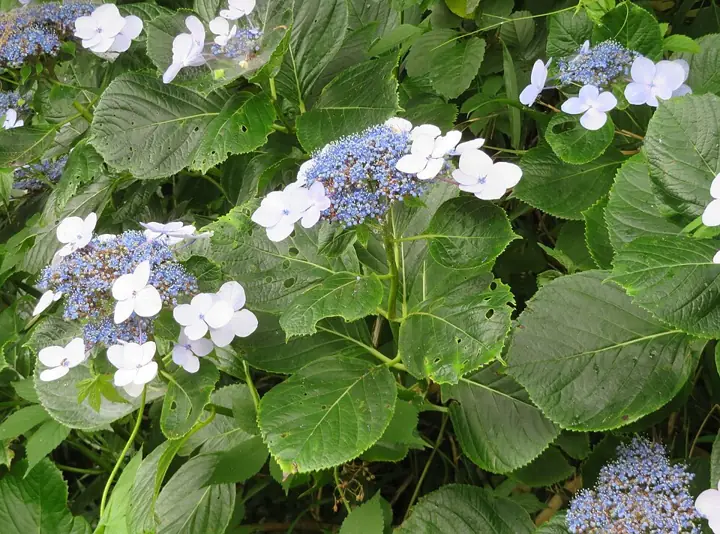 Shrub
For shaded patios and terraces, away from afternoon sun. Needs frequent watering in summer and low-lime water to keep its colour.
See profile →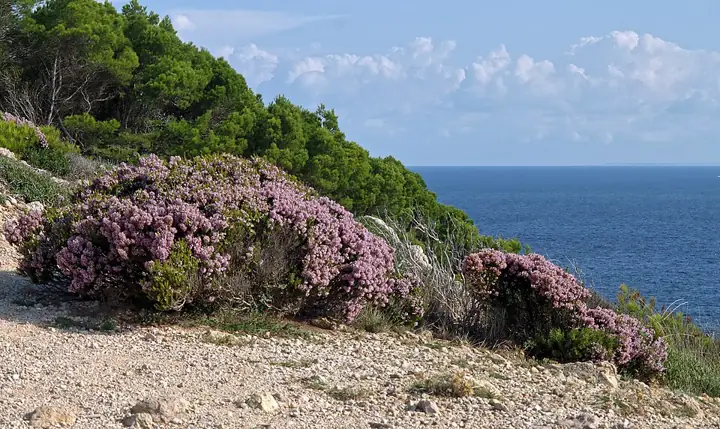 Shrub
A native of Mallorca's scrubland: smothered in pink flowers in autumn, when little else blooms, feeding the bees. Needs no watering or feeding.
See profile →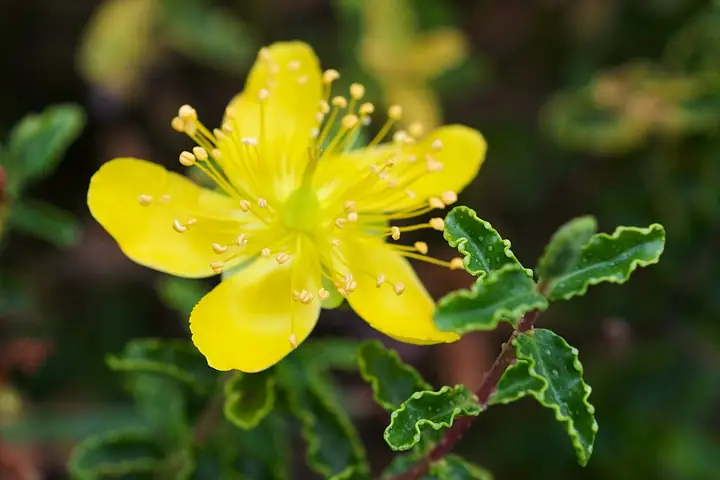 Shrub
Grows wild only in the Balearic Islands. A compact shrub with wavy, aromatic leaves and yellow flowers from spring to summer. Very drought-resistant.
See profile →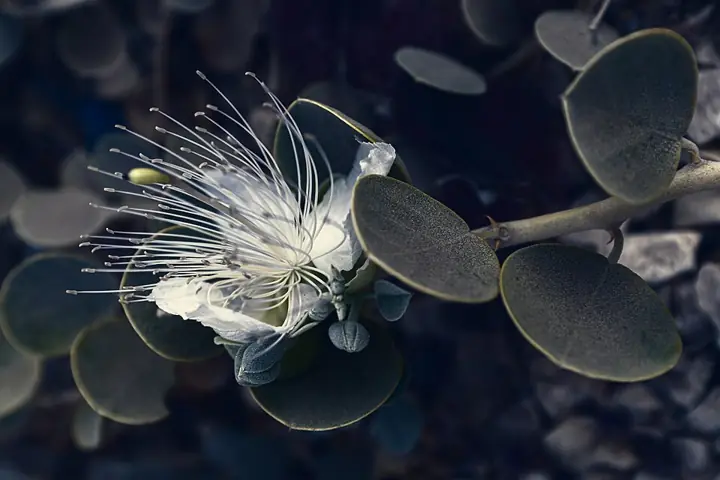 Shrub
A plant of Majorcan dry-stone walls. Lives in walls and poor soil in full sun on almost no water. The flower buds are the capers; cut back hard in winter.
See profile →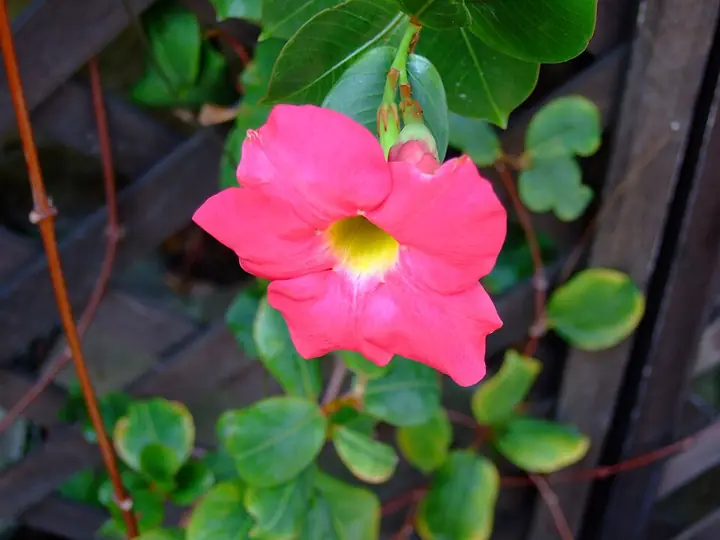 Climber
Red, pink or white trumpet flowers from May to October. Perfect for pots and trellises in sun; forgives missed waterings. Its sap is an irritant.
See profile →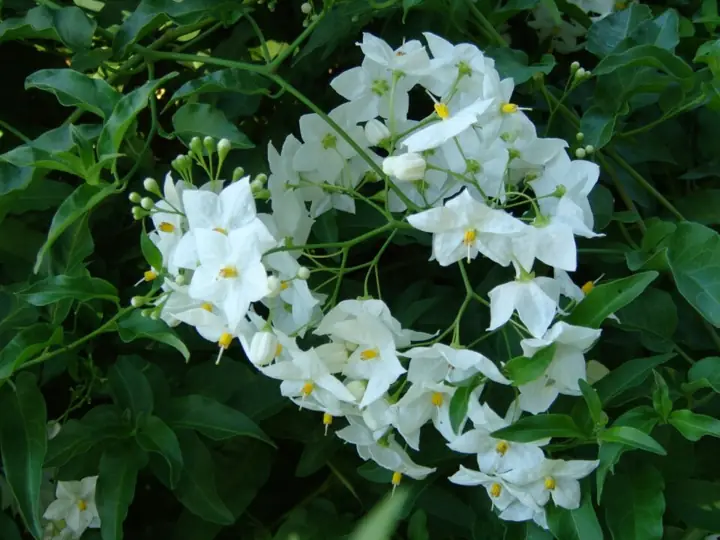 Climber
A fast climber that covers a fence in a couple of years, with clusters of white flowers almost all year. Trim in late winter.
See profile →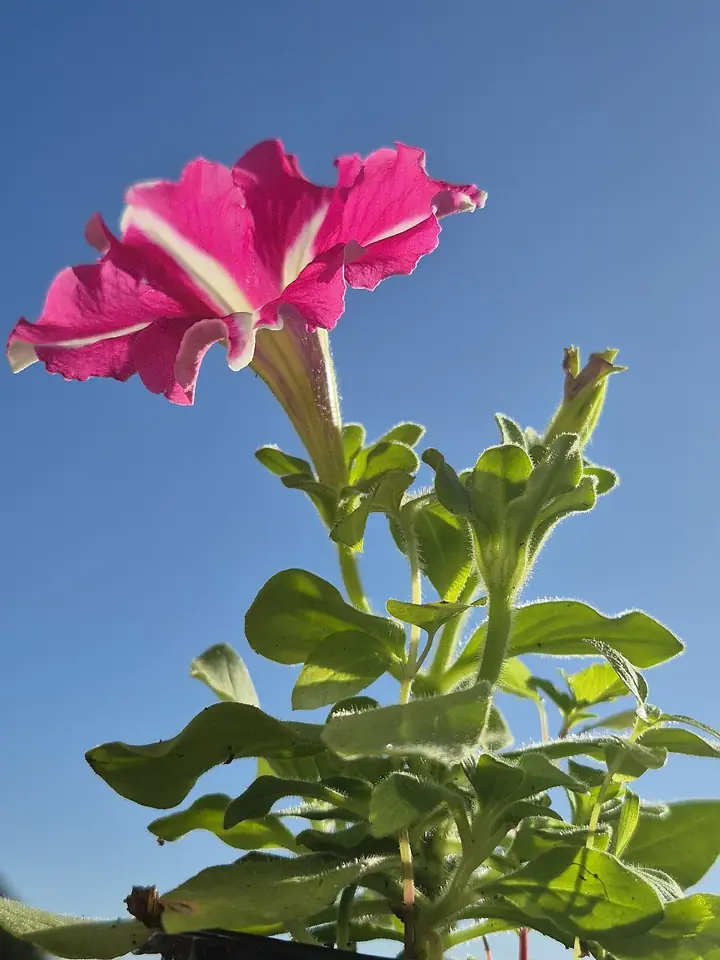 Flowering plant
Non-stop colour from spring to autumn in pots and window boxes. Deadhead, feed fortnightly and cut back in midsummer for a fresh flush.
See profile →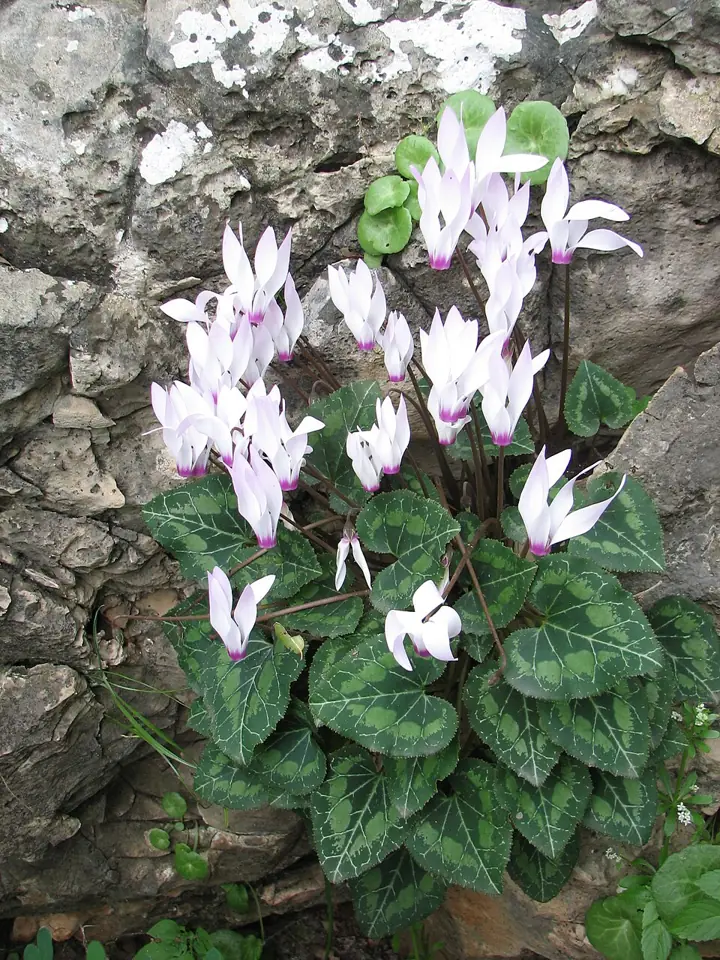 Flowering plant
The winter flower for shaded terraces and doorways. Water from below, keeping the tuber dry. It rests in summer: keep it cool and almost dry.
See profile →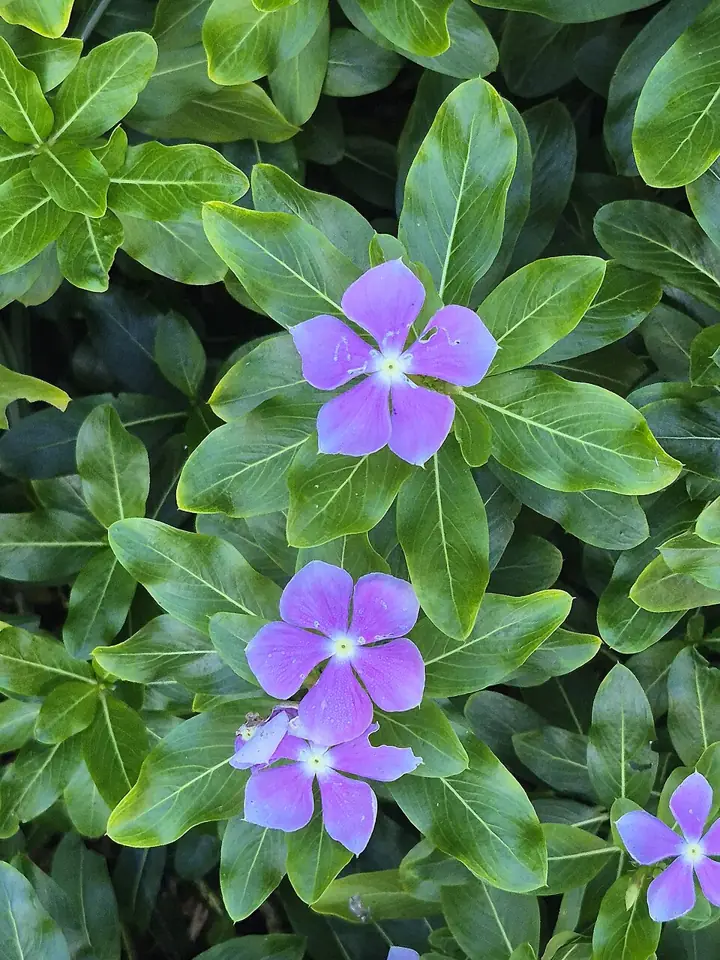 Flowering plant
The flower that best stands the July and August heat, when others give up. Sun, little water and good drainage. Toxic if eaten.
See profile →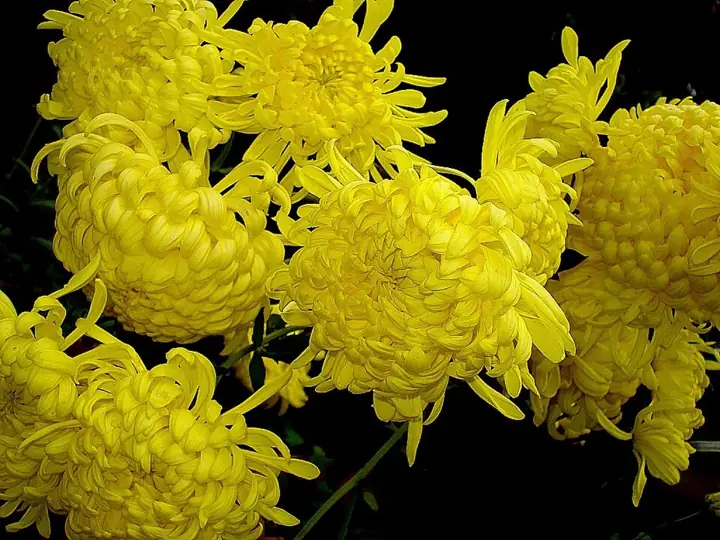 Flowering plant
The flower of All Saints' Day. After flowering, cut it right back and plant it out: it resprouts in spring and blooms again every autumn.
See profile →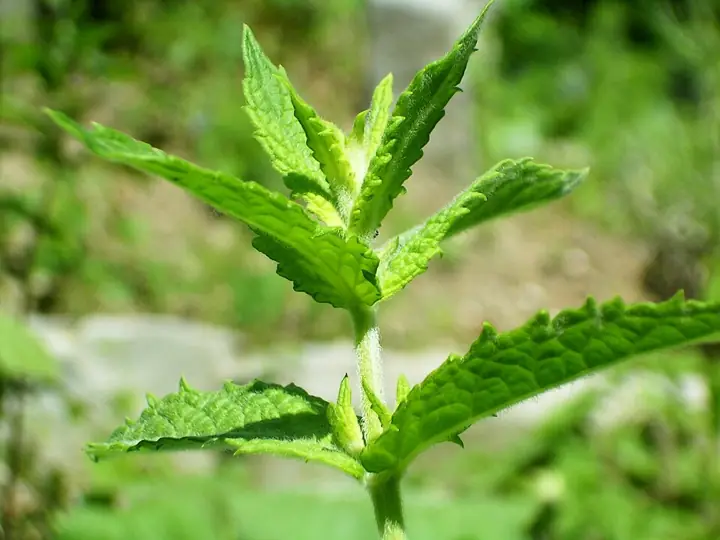 Herb
For teas, cooking and mojitos. Likes moisture and some shade in summer. Always grow it in a pot: in the ground it spreads out of control.
See profile →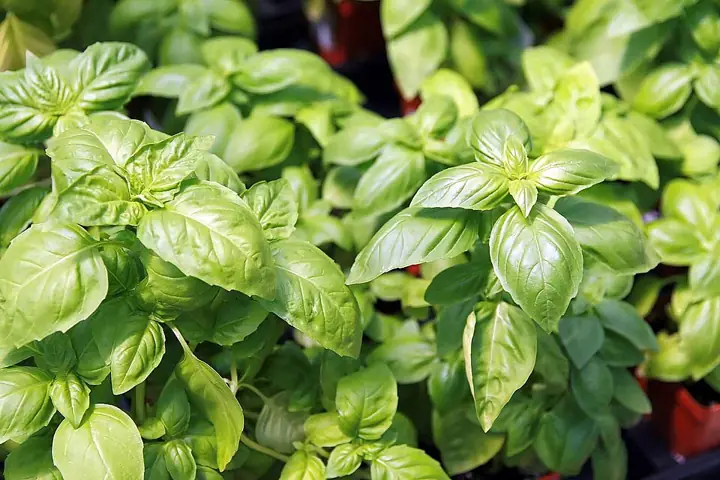 Herb
The herb of summer, said to keep mosquitoes away. Water daily in hot weather and pinch out the tips so it doesn't flower and keeps producing leaves. An annual.
See profile →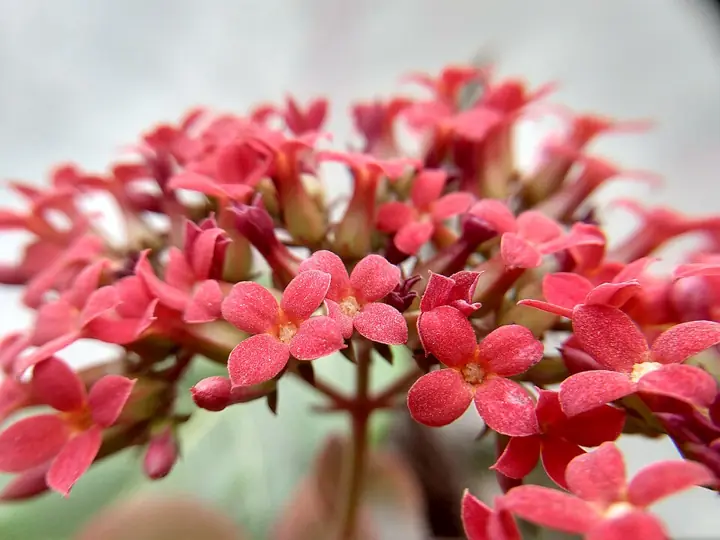 Succulent
A flowering succulent that lasts for months, indoors or on the terrace. Plenty of light and little water: let the soil dry out. Toxic to pets.
See profile →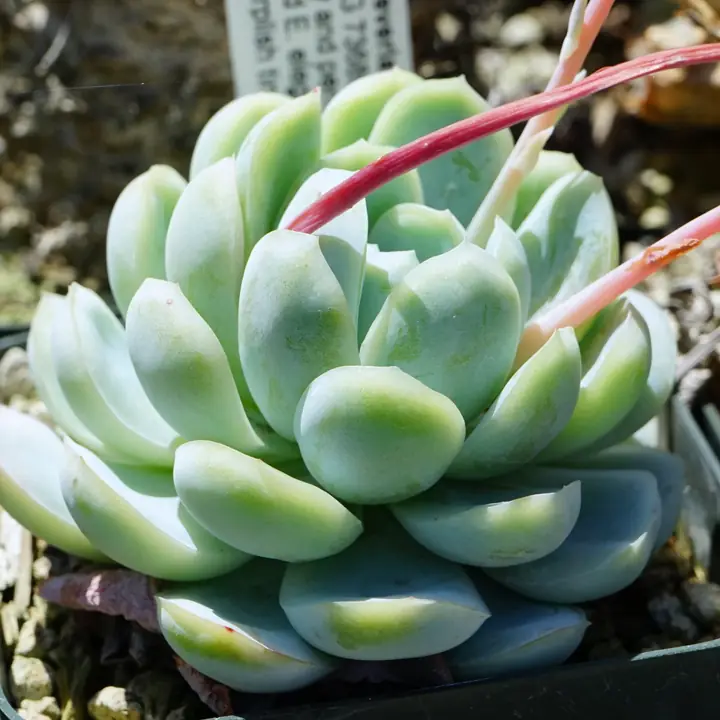 Succulent
Perfect, almost stone-like rosettes for pots and rockeries. Gentle sun, very free-draining soil and sparse watering: water in the rosette rots it.
See profile →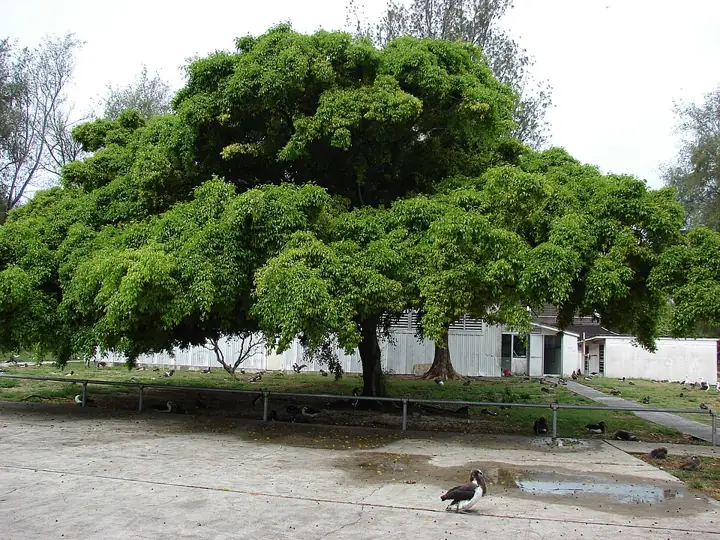 Houseplant
A small-leaved indoor tree. It dislikes being moved: a change of spot or a draught makes it drop its leaves. Plenty of light, no direct sun.
See profile →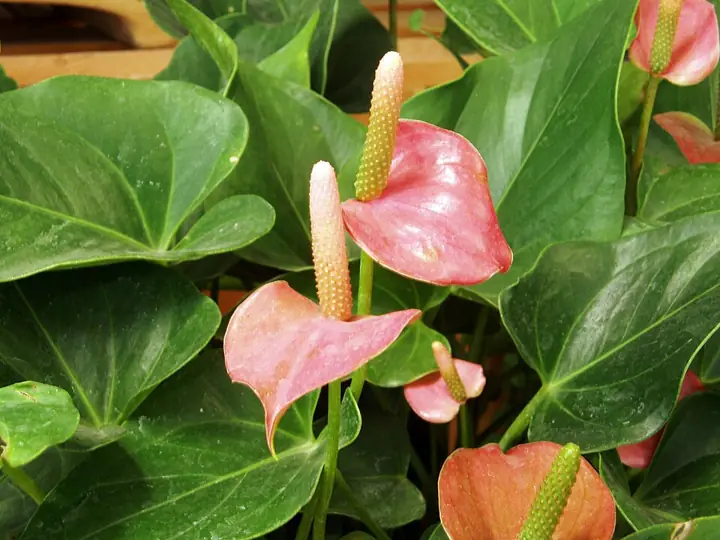 Houseplant
Glossy red flowers all year in bright rooms. Enjoys humidity: mist the leaves and keep it away from radiators. Toxic to pets.
See profile →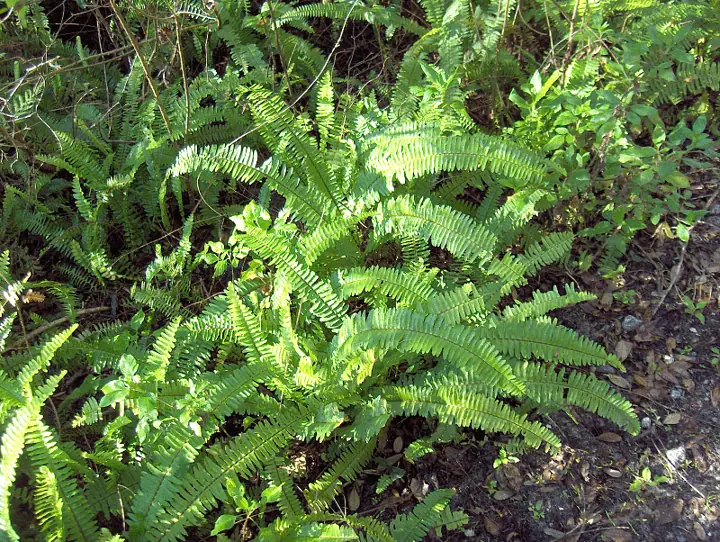 Houseplant
Fresh green for rooms, porches and sunless patios. Keep the soil moist and the air humid: it dries out quickly in dry air or direct sun.
See profile →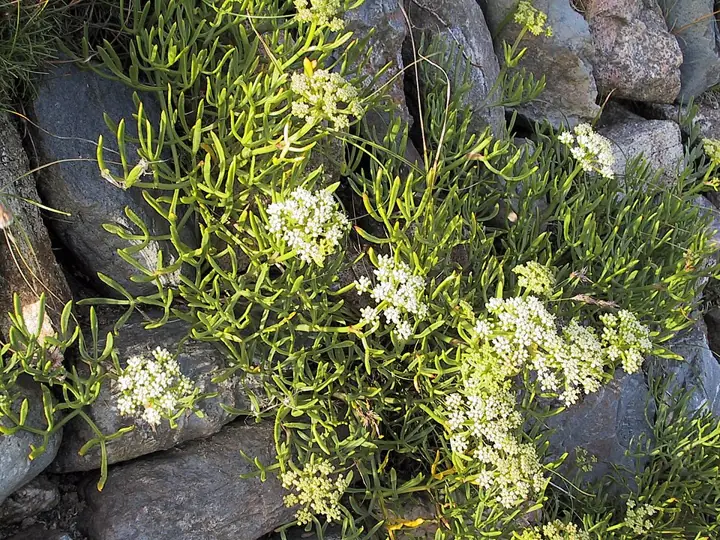 Herb
The sea fennel that Majorcans eat pickled. It grows on seaside rocks: nothing copes better with salt, wind and drought. Ideal for seafront gardens.
See profile →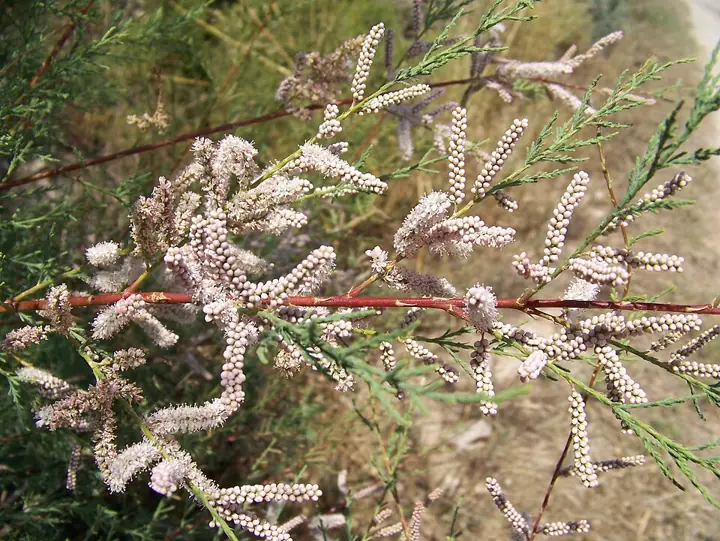 Tree
The tree of Majorcan beaches. Nothing copes better with salt spray, wind and saline soil; pink flower spikes in spring. Ideal as a windbreak by the sea.
See profile →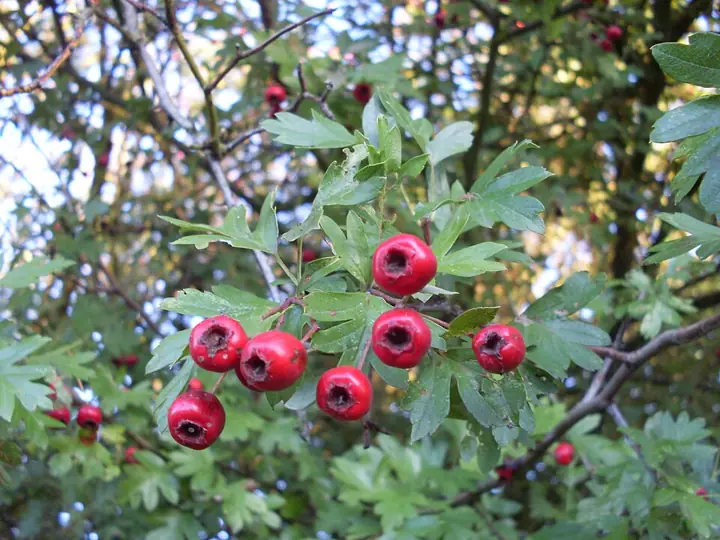 Tree
A thorny small tree smothered in white blossom in spring and red berries in autumn, food for birds. Good for defensive hedges and needs no watering.
See profile →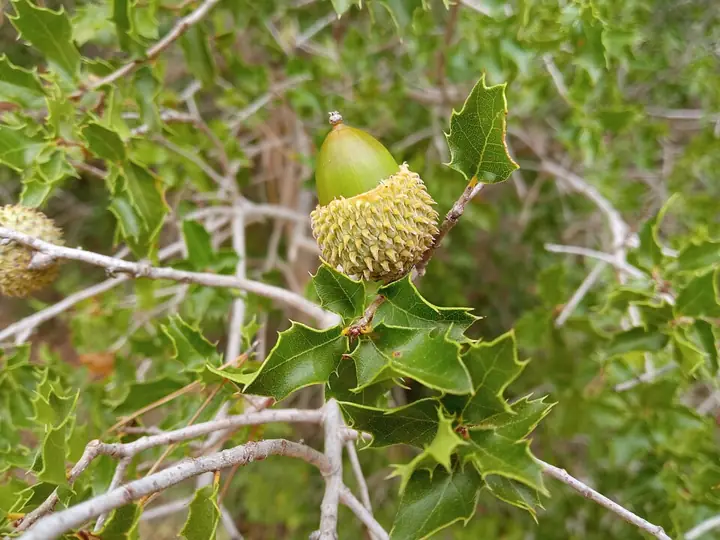 Shrub
A small relative of the holm oak, with glossy, prickly leaves. Forms dense, impenetrable thickets, resprouts after pruning and lives in the driest, stoniest soils.
See profile →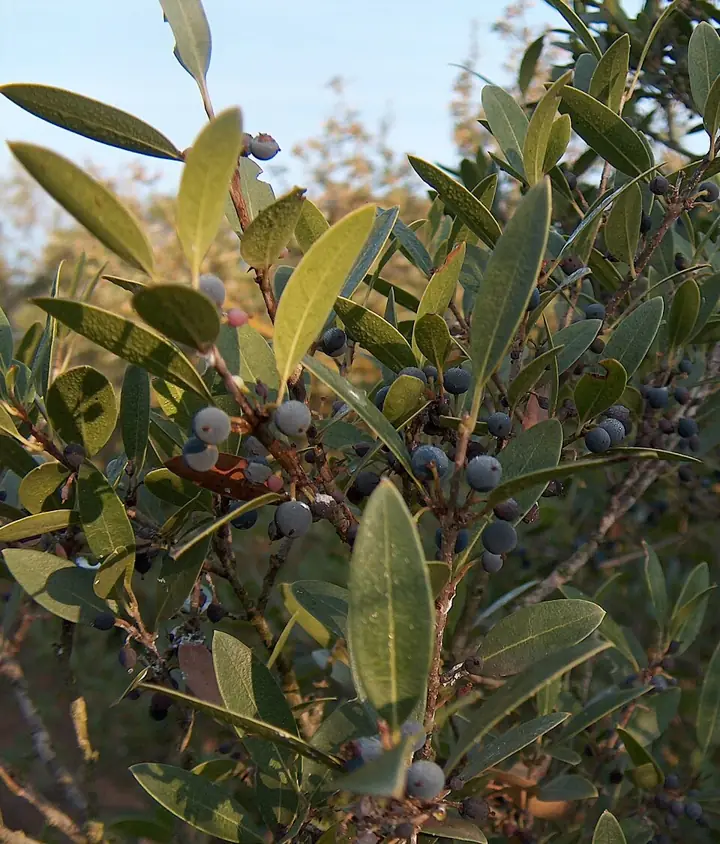 Shrub
A native shrub with narrow leaves, like a fine-leaved olive. Clips as well as box and takes drought, wind and salt: a Mediterranean hedge without irrigation.
See profile →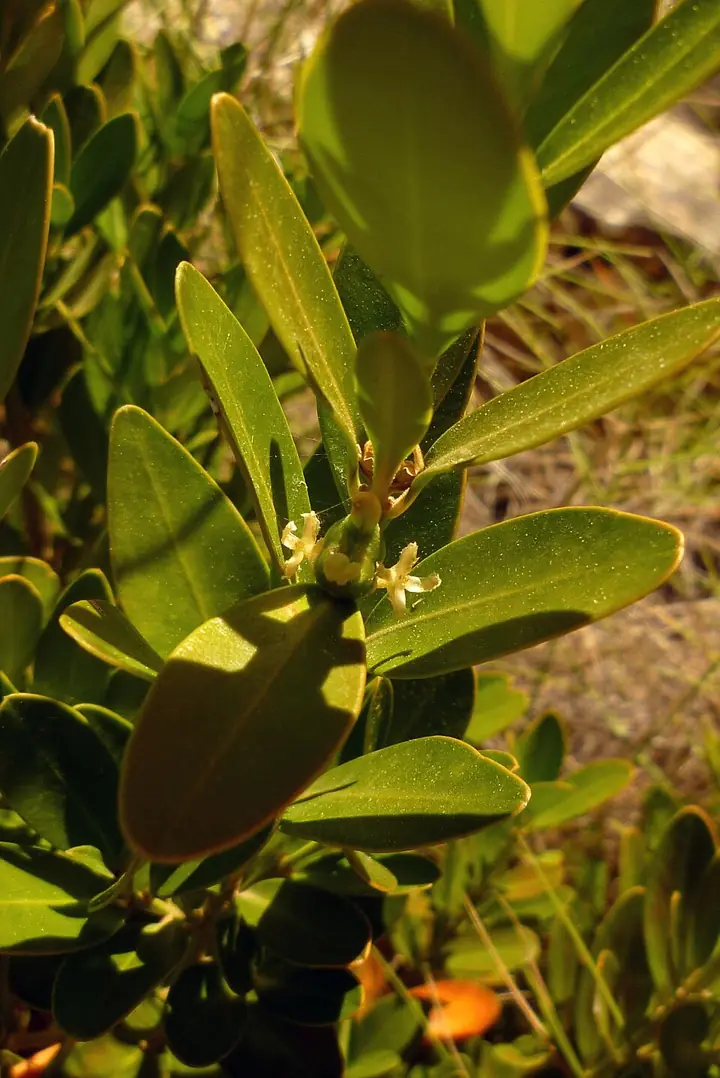 Shrub
The box of Mallorca's mountains, with larger, paler leaves than common box and far more heat-tolerant. Slow-growing and clips well. Always buy nursery-grown plants.
See profile →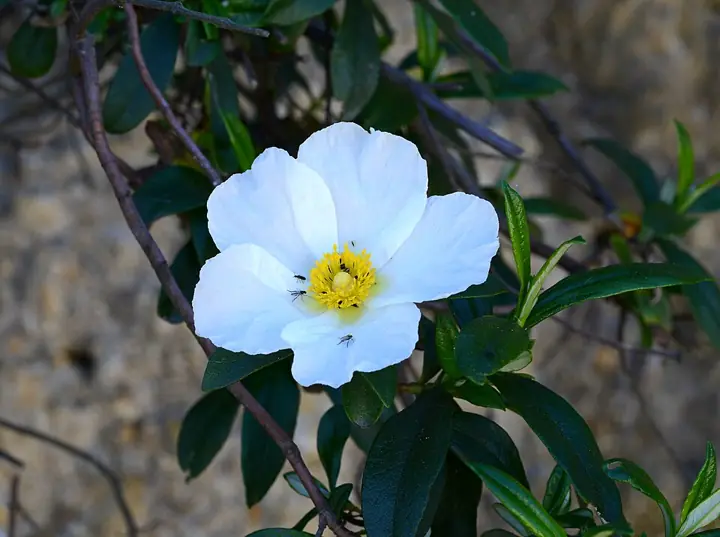 Shrub
Narrow, dark, sticky leaves, strongly aromatic in the heat, and white flowers in spring. One of the toughest plants of the scrubland: sun, poor soil and no watering.
See profile →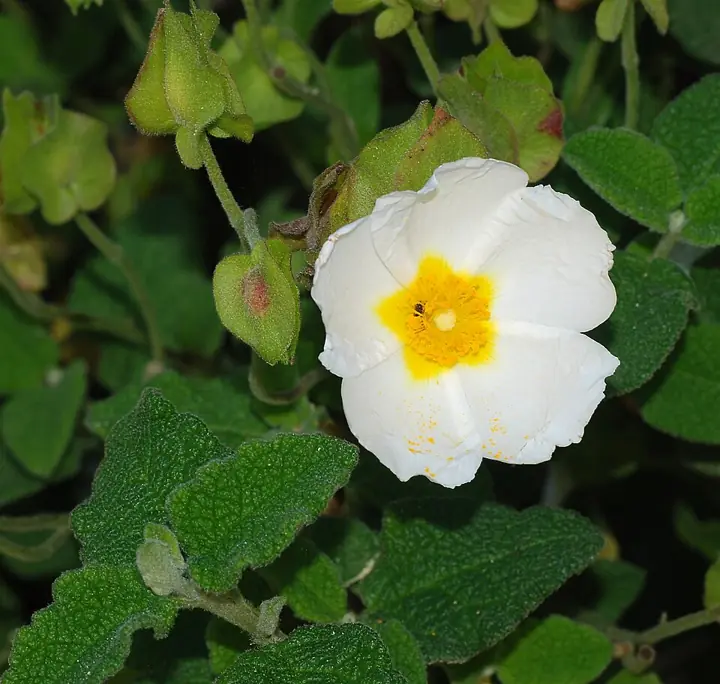 Shrub
A low, rounded rockrose with wrinkled leaves and white flowers with a yellow centre. Tolerates some shade under pines and covers dry banks well.
See profile →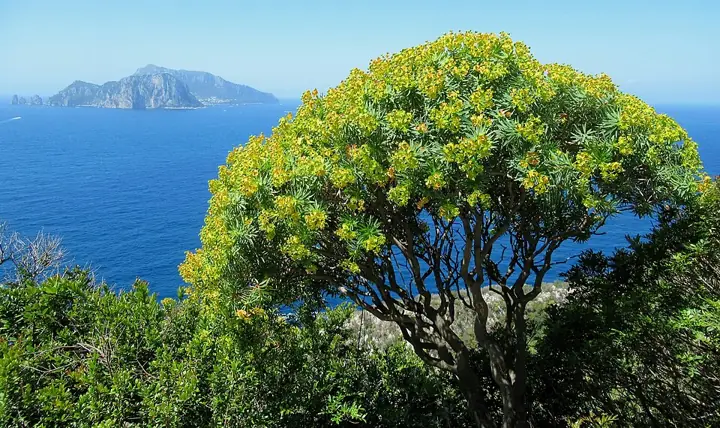 Shrub
A perfect dome that turns green in autumn, yellow in spring and red before dropping its leaves in summer: that is how it saves water. Its latex is toxic and an irritant.
See profile →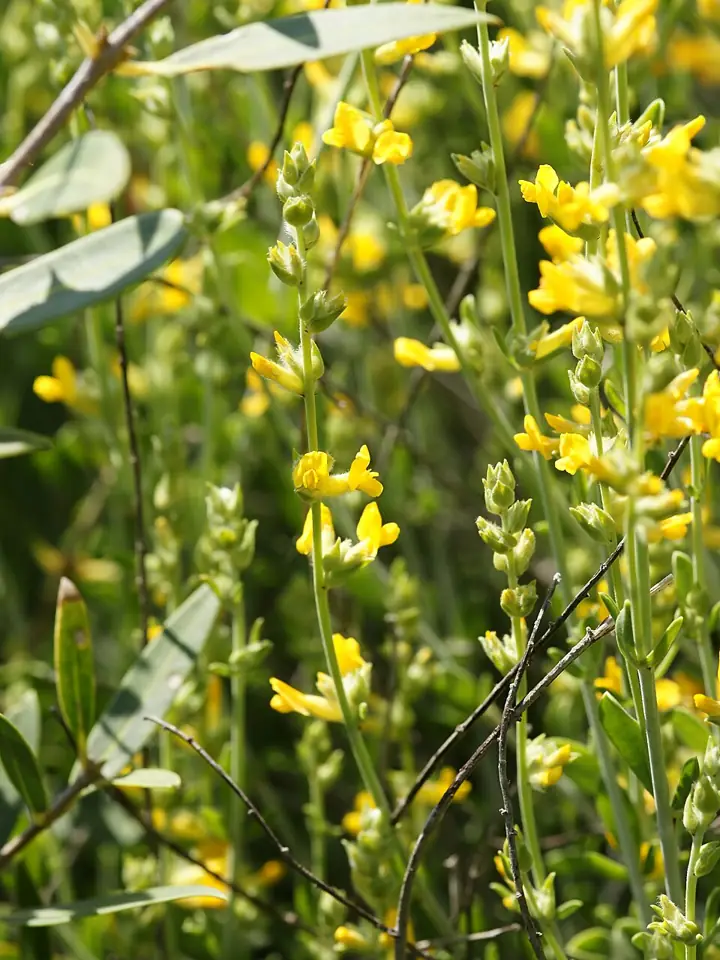 Shrub
A silvery shrub that fills with yellow flower spikes and bees in spring. It stabilises banks and enriches poor soils; needs neither watering nor feeding.
See profile →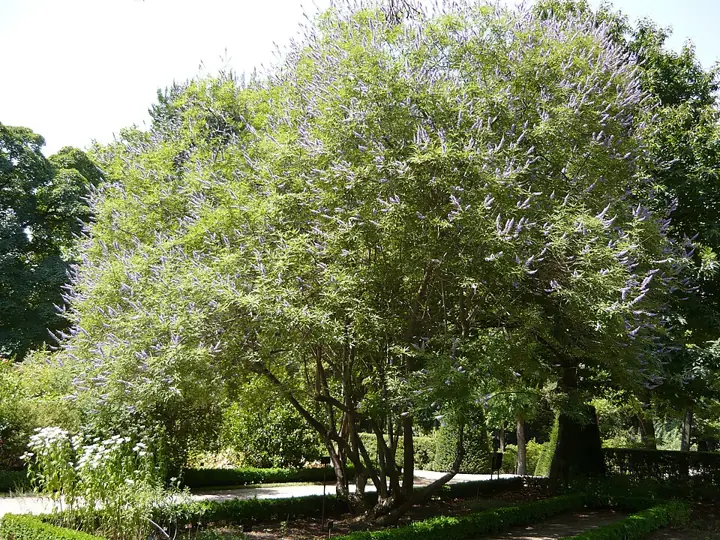 Shrub
A native of Mallorca's stream beds. Violet-blue flower spikes in high summer, when the garden is at its dullest, and aromatic leaves. Prune hard in winter: it flowers on new wood.
See profile →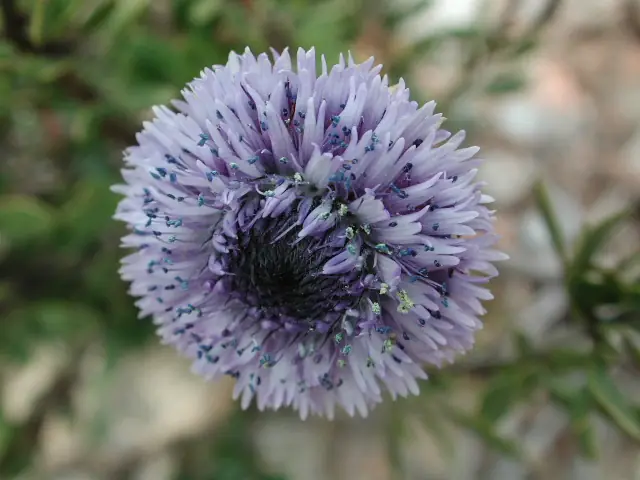 Shrub
A small shrub that flowers in midwinter with blue pompoms, when almost nothing else does. Lives among stones, unwatered, and is perfect for sunny rockeries.
See profile →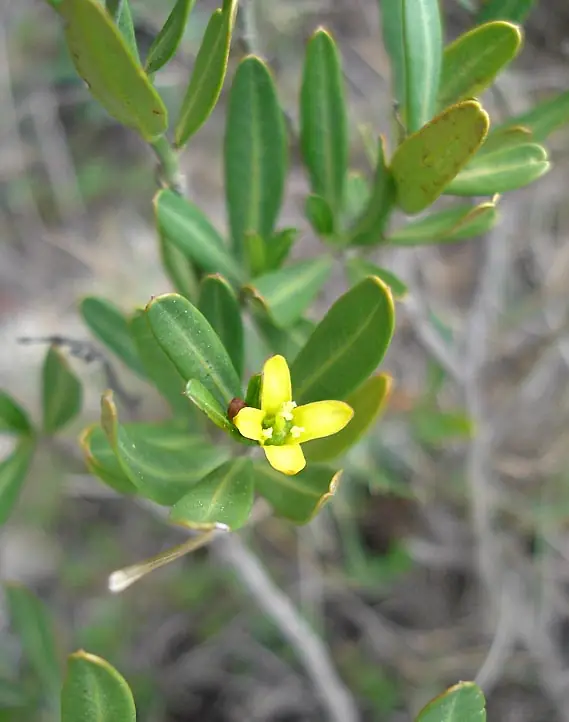 Shrub
A compact shrub with narrow glossy leaves, yellow flowers and red three-lobed fruits. Found only in the western Mediterranean; needs no watering or pruning. Toxic if eaten.
See profile →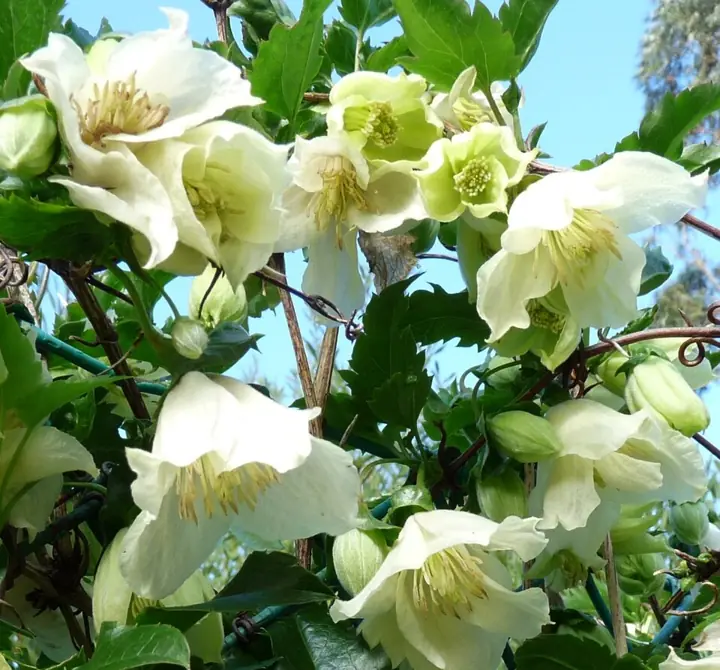 Climber
A climber of Majorcan dry-stone walls: it flowers in winter with cream bells, followed by silvery seed heads. In summer it sheds leaves to save water.
See profile →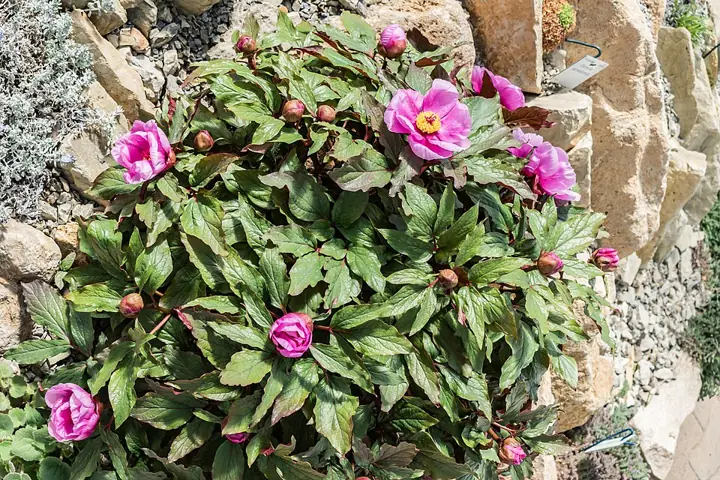 Flowering plant
A gem found only in the Balearics: large pink flowers in March above leaves with purple undersides. Wants part shade and cool, well-drained soil. Buy it nursery-grown: in the wild it is protected.
See profile →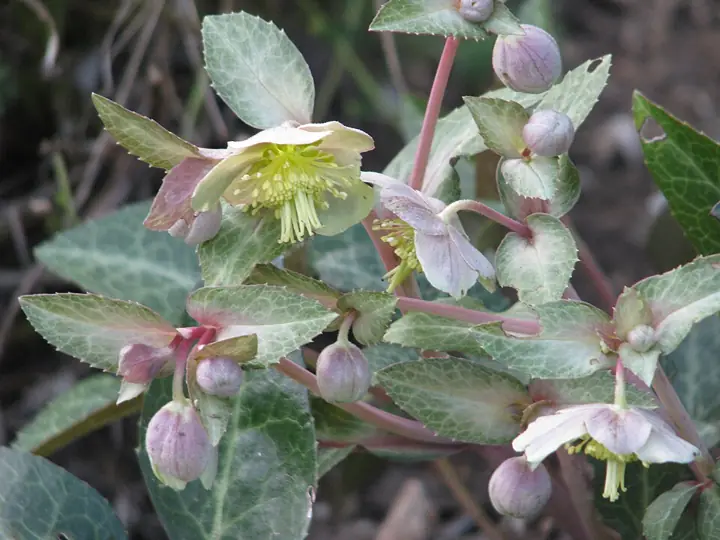 Flowering plant
Grows wild only in Mallorca. Pinkish-green flowers in midwinter above silver-veined leaves. For part-shaded corners; the whole plant is toxic.
See profile →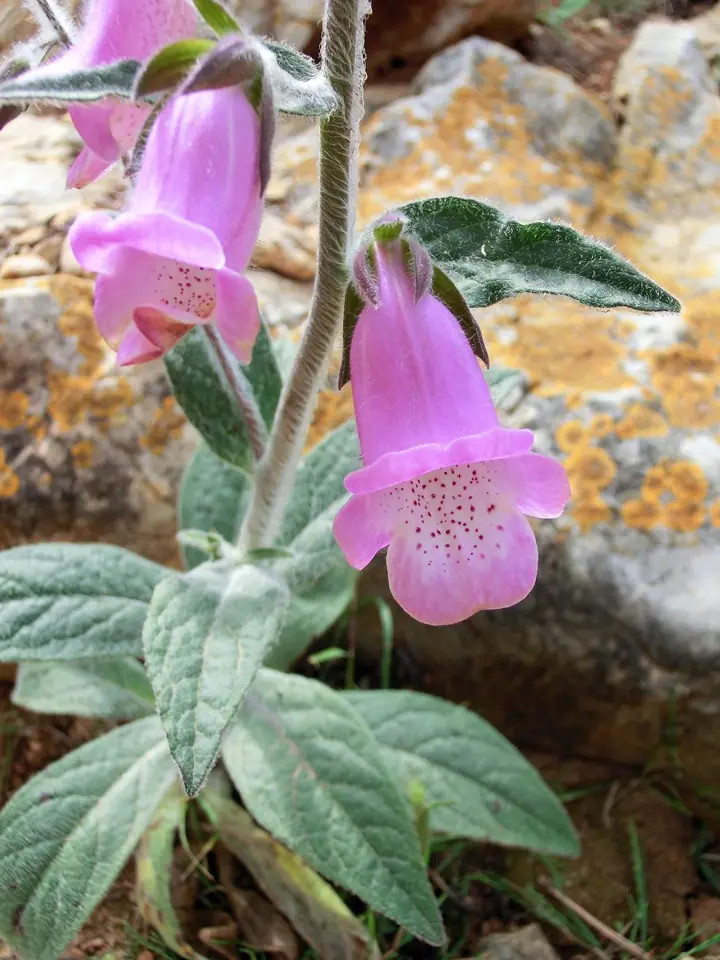 Flowering plant
The foxglove of the Serra's rocks, found only in the Balearics: spikes of pink bells in spring above rosettes of velvety leaves. Highly toxic: not for homes with small children or pets.
See profile →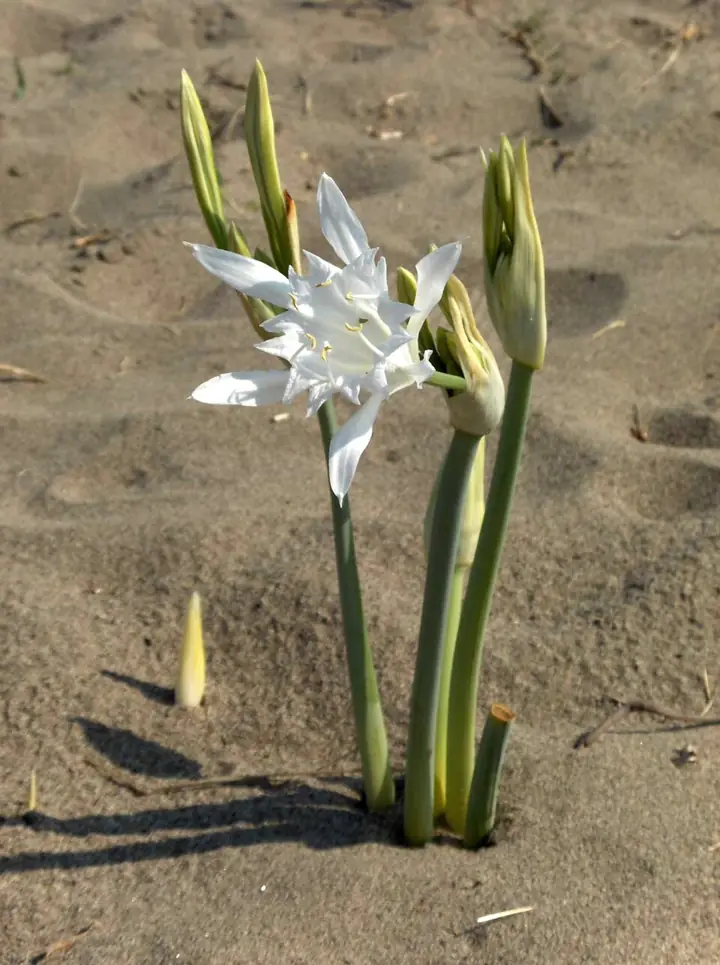 Flowering plant
The lily of the dunes: large, scented white flowers in mid-August without a drop of irrigation. Needs sand or very free-draining soil. Never dig it up from the beach: buy it nursery-grown.
See profile →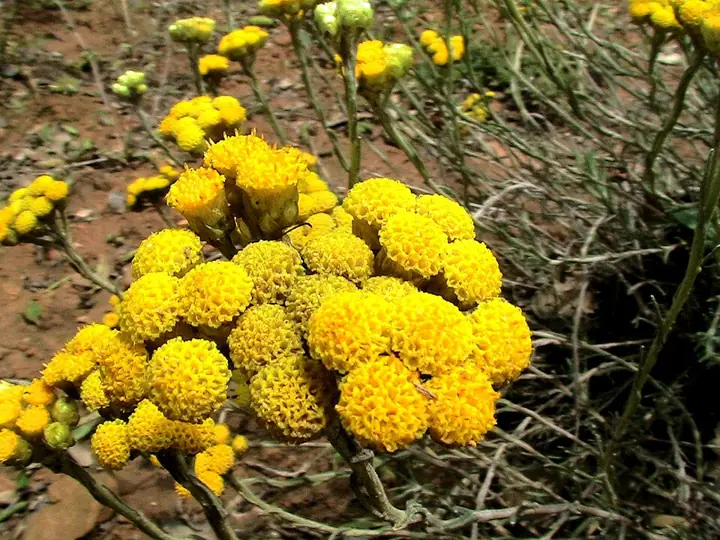 Herb
A grey, curry-scented shrublet with yellow button flowers that last for months, even dried in a vase. Lives in sand and rock by the sea; trim after flowering.
See profile →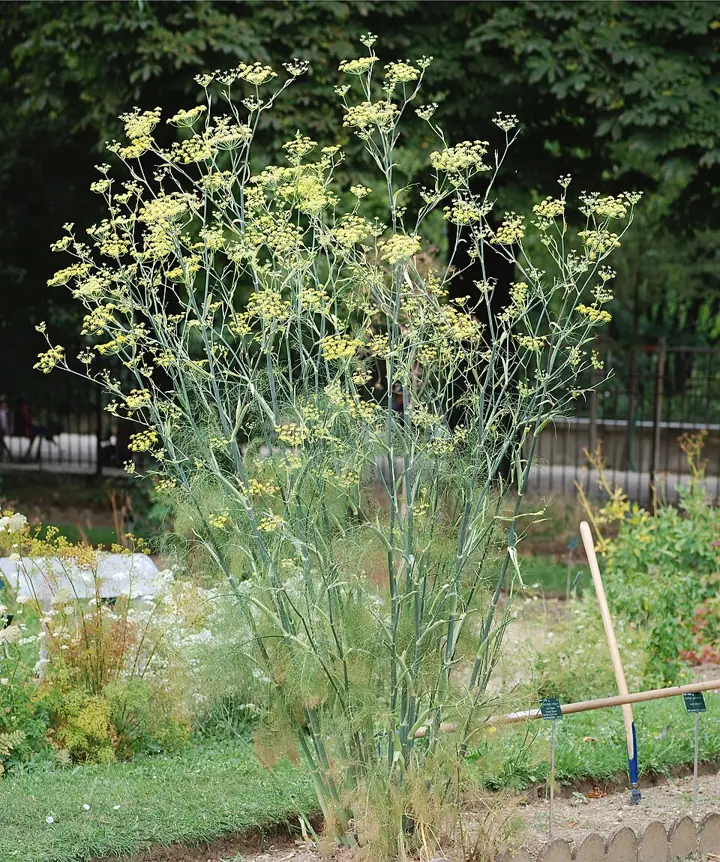 Herb
The wild fennel of country lanes, essential in Majorcan cooking. Feathery aniseed-flavoured leaves and yellow flowers buzzing with beneficial insects. It self-seeds.
See profile →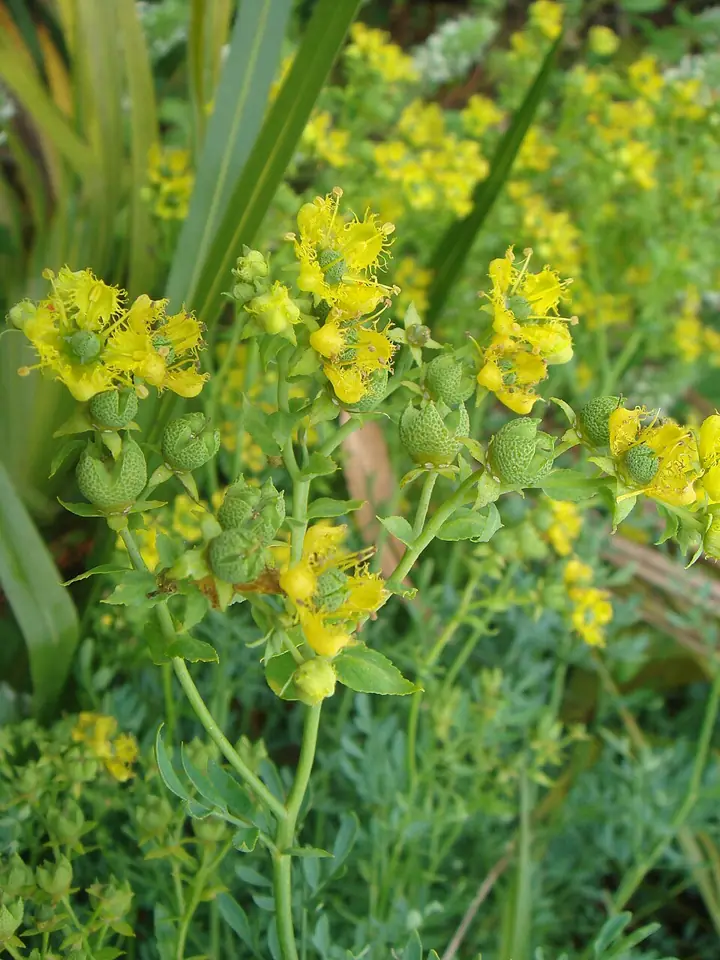 Herb
A plant of Majorcan tradition, strongly scented, with bluish leaves and yellow flowers. Very tough and pest-free. Its sap can irritate skin in sunlight: wear gloves.
See profile →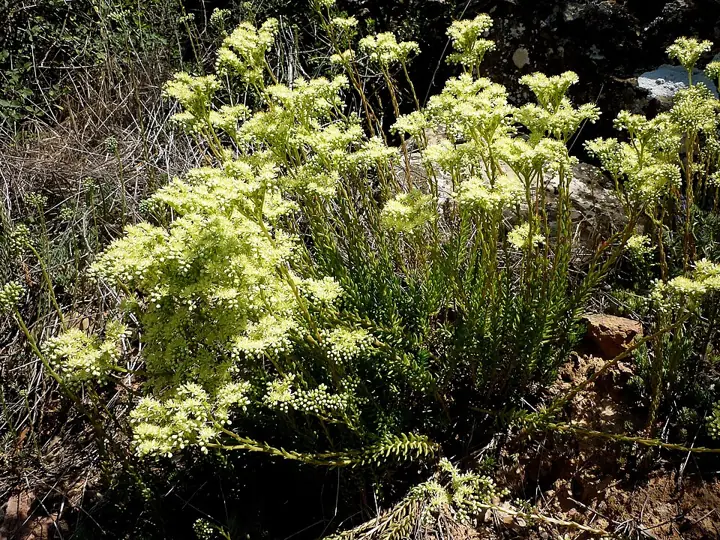 Succulent
The stonecrop that grows on dry-stone walls. It carpets with bluish fleshy leaves and flowers in summer with no watering at all. Ideal for rockeries, green roofs and forgotten pots.
See profile →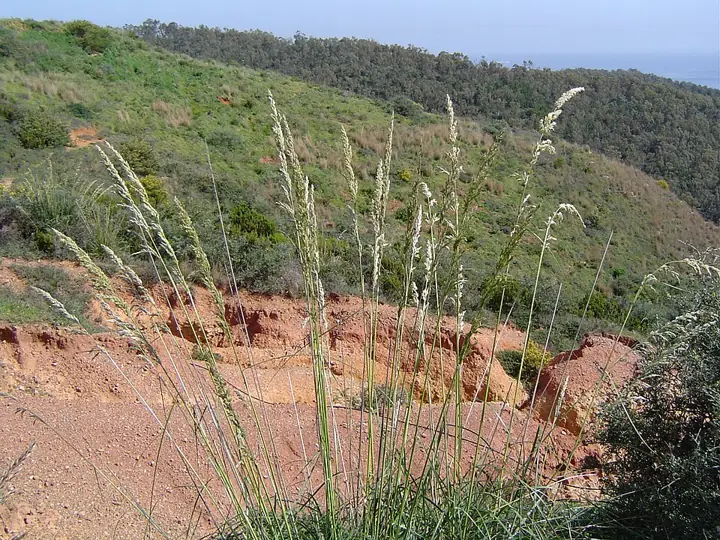 Ground cover
The great grass of Mallorca's mountains: clumps of long leaves and tall plumes that sway in the wind. Holds banks and needs nothing. Give it room: the leaf edges cut.
See profile →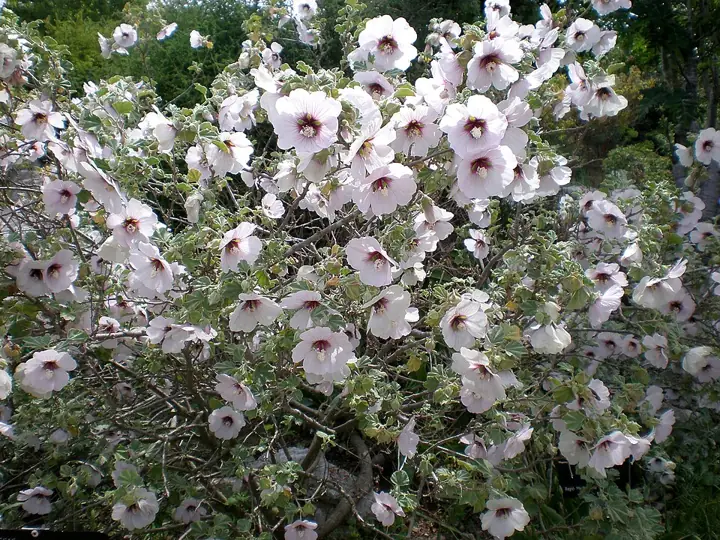 Shrub
A shrub with grey velvety leaves and pale pink, dark-centred flowers from winter to spring. Grows on rocky ground by the sea; trim in summer to keep it compact.
See profile →No plants match those filters.
Pet information is for guidance only. If in doubt, ask your vet. Photos from Wikimedia Commons under free licences. Authors and licences.
The most common problems in island gardens, their likely cause and what to do. Not sure? Send us a photo on WhatsApp.
Send a photo on WhatsAppLikely cause: Iron chlorosis: very common on Mallorca's limy soils. The plant can't take up iron.
What to do: Apply iron chelate and add organic matter if you can. Use less limy water for pots.
Likely cause: Overwatering or poor drainage; the roots are suffocating.
What to do: Let the soil dry before watering again and make sure the pot has drainage holes.
Likely cause: Lack of water, too much sun or wind, or salt build-up.
What to do: Water deeply but less often, mulch the soil and flush pot compost with plenty of water now and then.
Likely cause: Powdery mildew, a fungus that thrives in warm, humid weather.
What to do: Remove the worst leaves, improve air flow and treat with sulphur outside the hottest hours.
Likely cause: Aphids, mealybugs or whitefly; the black film is sooty mould growing on honeydew.
What to do: Wash with water and potassium soap and repeat after 7 days. Check the undersides of leaves.
Likely cause: Spider mites, common in hot, dry weather.
What to do: Mist the undersides of leaves and use a specific miticide if it persists.
Likely cause: Caterpillars, snails or slugs.
What to do: Check at dusk and remove them by hand. For caterpillars, use Bacillus thuringiensis.
Likely cause: Possibly red palm weevil, a very serious pest in the Balearics.
What to do: Contact us as soon as possible: the palm needs a professional check and immediate treatment.
Likely cause: It may be Xylella fastidiosa, present in the Balearics since 2016.
What to do: Don't move cuttings or plants. Ask us and report it to the regional plant health service.
Water is scarce in the Balearics. Xeriscaping gives you a lively, colourful garden while using far less water.
Group plants by how much water they need so you don't overwater.
Soil rich in organic matter holds water better.
Keep grass where it's used and replace the rest with ground cover or gravel.
Native and Mediterranean species that thrive in the islands' climate.
Drip lines, a timer and watering at dawn or dusk.
Bark, gravel or shredded prunings cut evaporation and weeds.
Prune and feed only what's needed: a forced plant asks for more water.
Native species are already adapted to the islands' climate, soil and wildlife. Rosemary, myrtle, cistus or mastic will attract bees, butterflies and birds, and your garden will need less water and fewer treatments.
See native plants