In short
- The problem isn't the sun: it's the salty wind.
- First, a barrier of tough plants facing the sea.
- In its shelter you can plant almost anything.
- Grey, small or fleshy leaves: the sign of those that cope.
A few metres from the sea, salt-laden wind scorches leaves and dries out the soil. Ordinary garden plants can't take it, but the plants of Mallorca's coast are made for it: you only have to copy what nature does.
Every plot has an exposed side. See which way the local trees lean and which face of the neighbours' hedges is scorched. That is the front to protect; the rest of the garden will live in its shelter.
On the front line, plant the toughest: tamarisk, mastic, Phoenician juniper and mock privet. A barrier of plants slows the wind better than a wall, because it filters it instead of deflecting it into eddies. Plant them close together and young: they grow adapted to the wind.
Between the barrier and the house: tree spurge, albaida, everlasting and sea mallow, with rock samphire in rocky areas. All have grey, small or fleshy leaves, which is how they defend themselves against salt and drought.
Sand holds neither water nor nutrients. Mix a little compost into the planting hole and, above all, mulch with gravel or stone, which won't blow away. Don't aim for rich soil: these plants don't need it.
Use drip irrigation for the first two summers. After a severe storm, the garden plants you have in the shelter will appreciate a hosing with fresh water to wash the salt off their leaves.
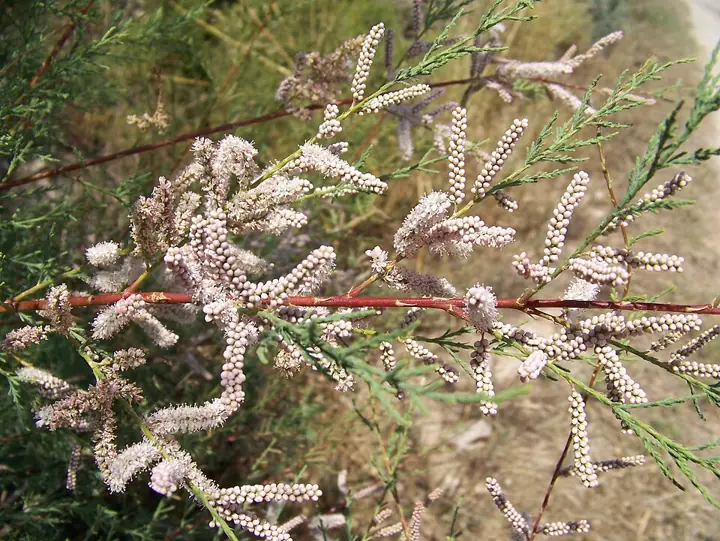 Tree
The tree of Majorcan beaches. Nothing copes better with salt spray, wind and saline soil; pink flower spikes in spring. Ideal as a windbreak by the sea.
See profile →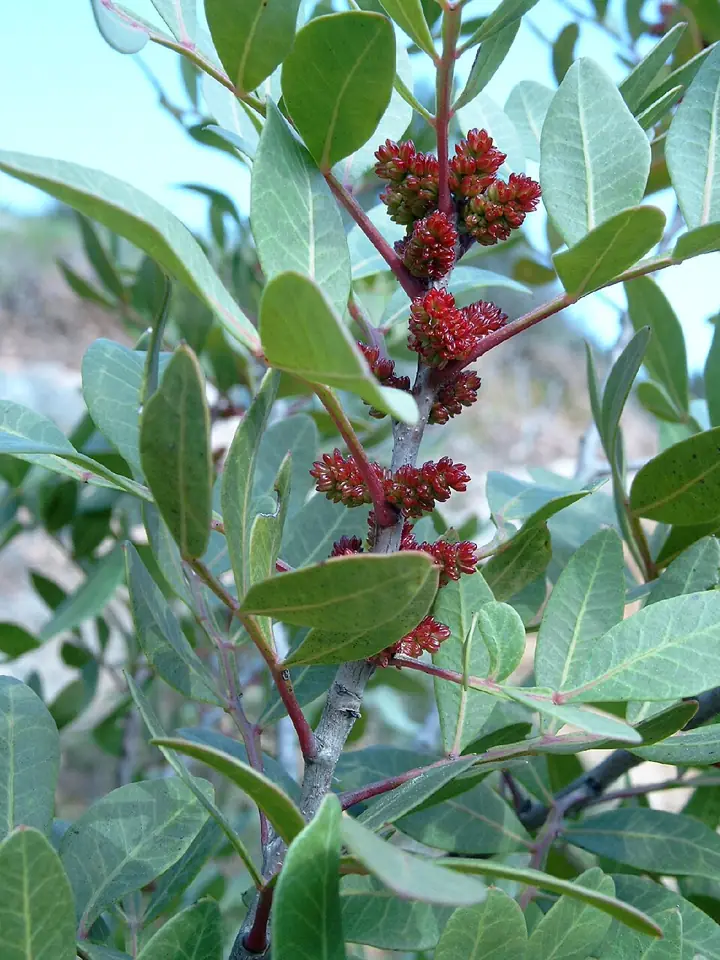 Shrub
Very hardy native shrub, ideal for informal hedges and unwatered areas once established.
See profile →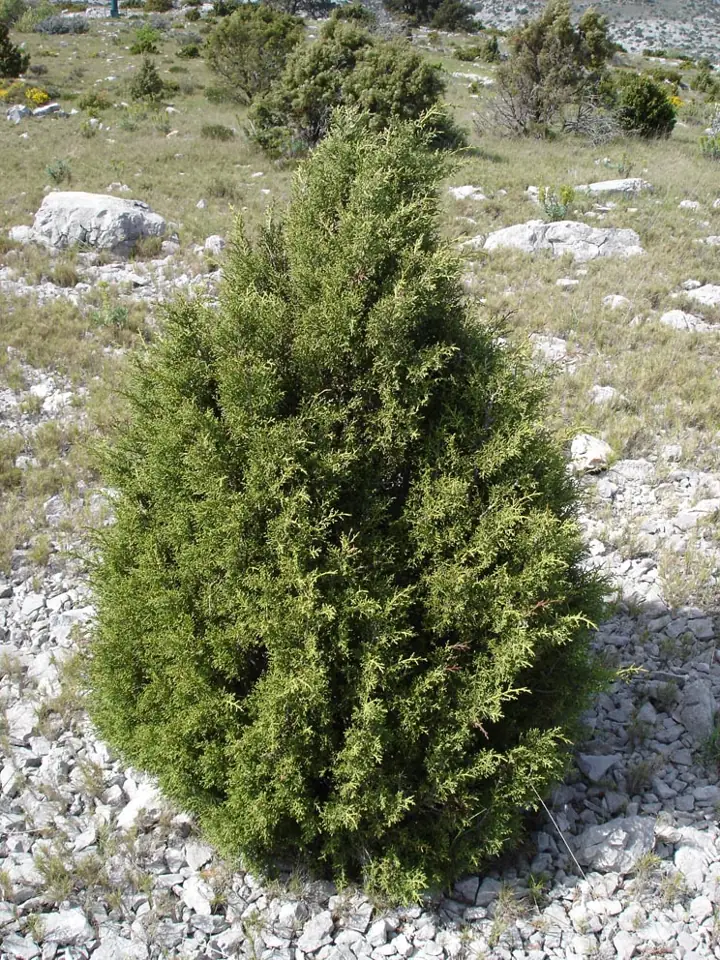 Shrub
A native conifer of dunes and cliffs. Slow-growing, salt-tolerant and needs almost no water.
See profile →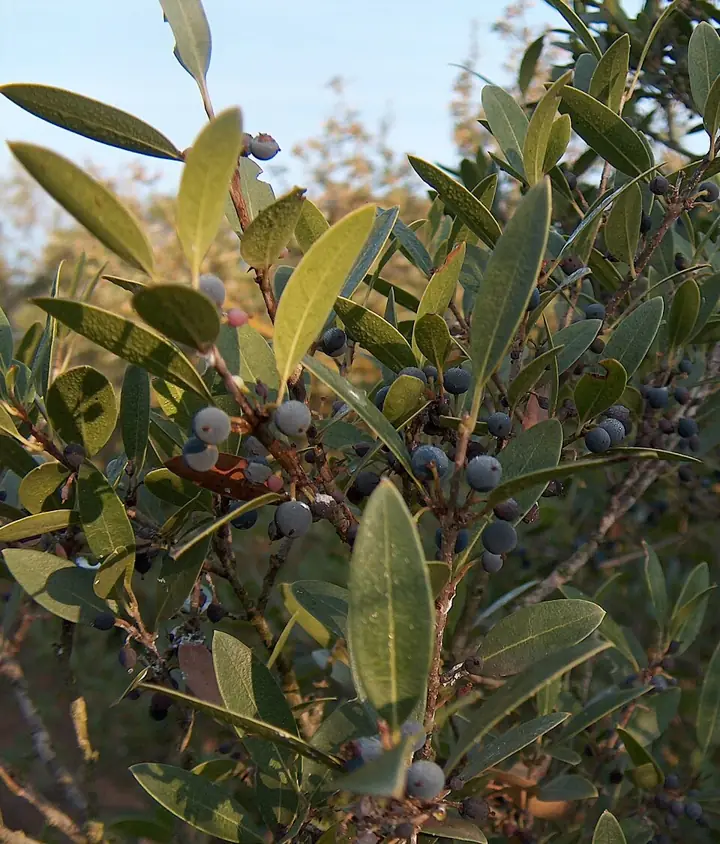 Shrub
A native shrub with narrow leaves, like a fine-leaved olive. Clips as well as box and takes drought, wind and salt: a Mediterranean hedge without irrigation.
See profile →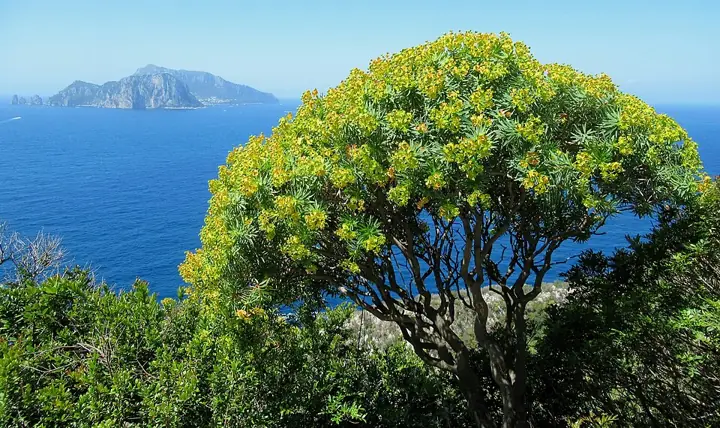 Shrub
A perfect dome that turns green in autumn, yellow in spring and red before dropping its leaves in summer: that is how it saves water. Its latex is toxic and an irritant.
See profile →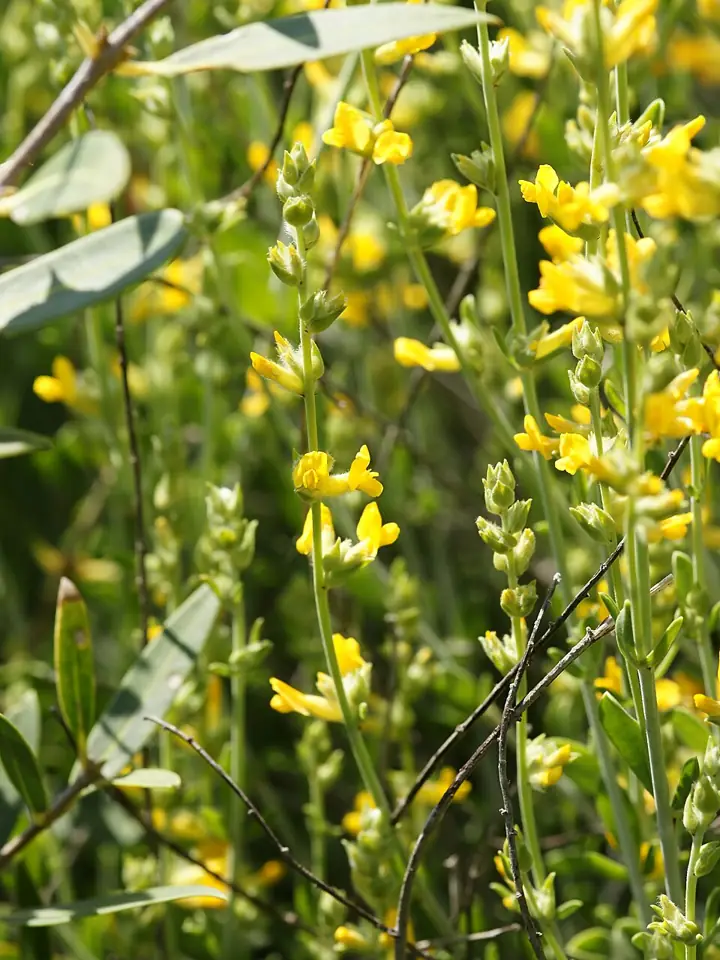 Shrub
A silvery shrub that fills with yellow flower spikes and bees in spring. It stabilises banks and enriches poor soils; needs neither watering nor feeding.
See profile →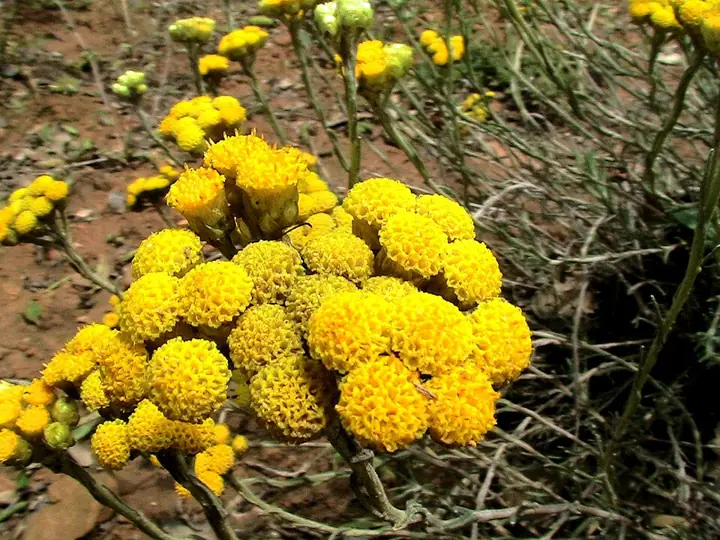 Herb
A grey, curry-scented shrublet with yellow button flowers that last for months, even dried in a vase. Lives in sand and rock by the sea; trim after flowering.
See profile →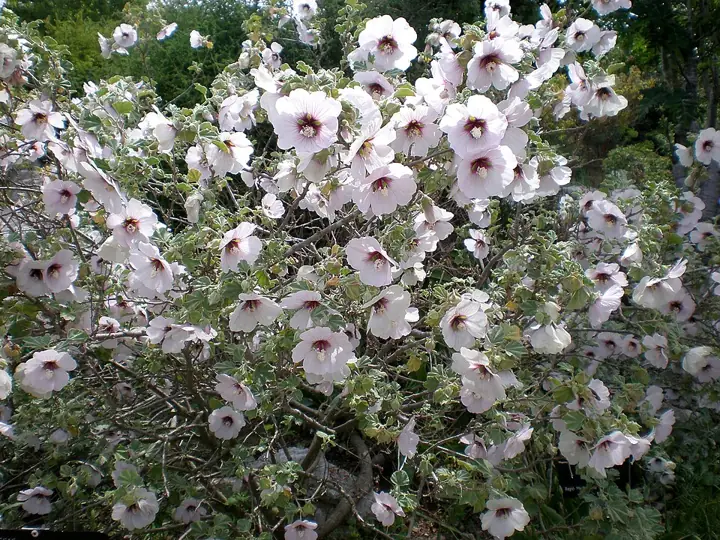 Shrub
A shrub with grey velvety leaves and pale pink, dark-centred flowers from winter to spring. Grows on rocky ground by the sea; trim in summer to keep it compact.
See profile →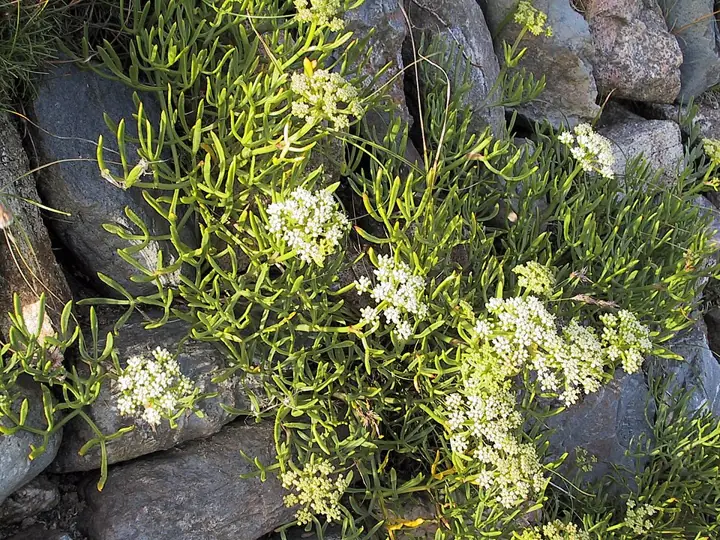 Herb
The sea fennel that Majorcans eat pickled. It grows on seaside rocks: nothing copes better with salt, wind and drought. Ideal for seafront gardens.
See profile →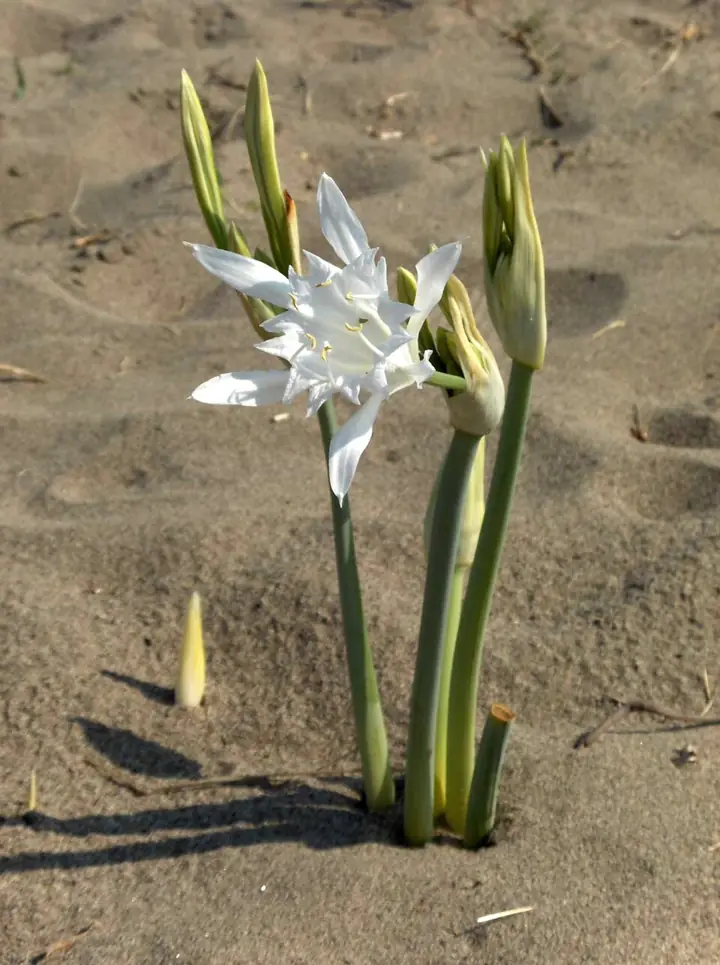 Flowering plant
The lily of the dunes: large, scented white flowers in mid-August without a drop of irrigation. Needs sand or very free-draining soil. Never dig it up from the beach: buy it nursery-grown.
See profile →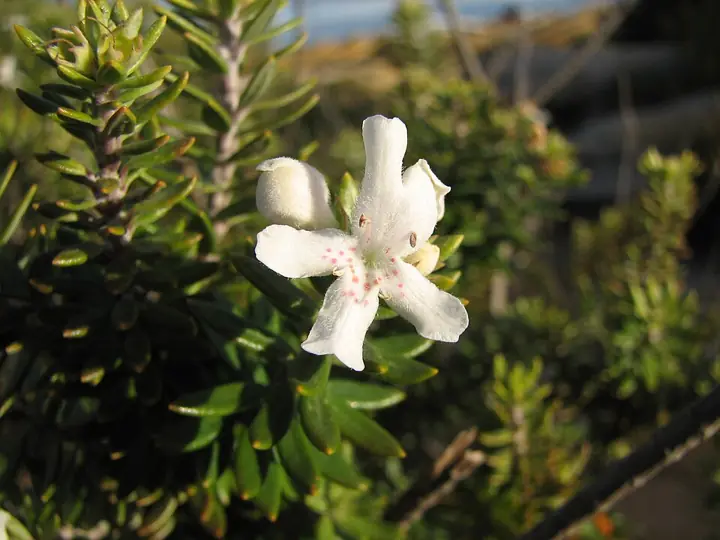 Shrub
Like rosemary but more compact. Copes with seafront sites and clips well into low hedges.
See profile →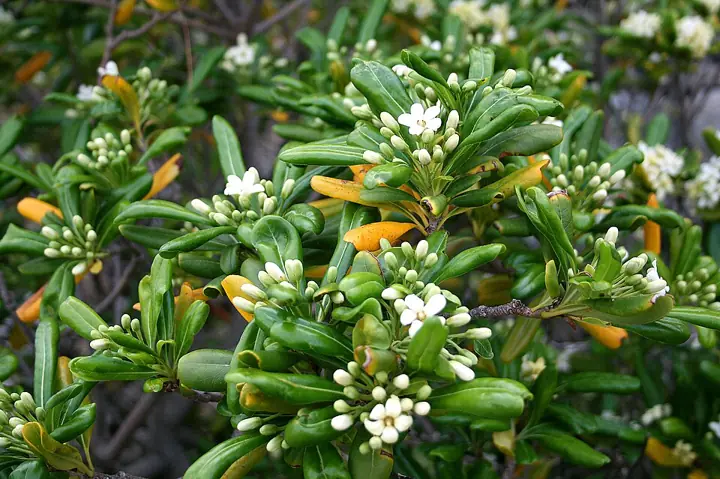 Shrub
A hedge that stands up well to wind and salt spray. White, orange-blossom-scented flowers in spring.
See profile →A garden full of life: which plants offer flowers and fruit in each season for bees, butterflies and birds, and what to change in your upkeep so they stay.
Read the guide →Mar – OctHow to recognise the commonest garden pests — aphids, scale insects, spider mites and whitefly — and treat them in time with gentle remedies.
Read the guide →Jun – SepWhen, how much and how to water your garden in summer in Mallorca: long, spaced-out waterings, drip irrigation, mulch and plants grouped by thirst.
Read the guide →