In short
- Flowers in every season, not just in spring.
- Berrying shrubs for autumn and winter.
- A shallow source of water.
- No insecticides: they kill the helpers too.
A garden with bees, butterflies and birds is more beautiful and healthier: they pollinate and eat the pests. You needn't let it run wild; just give them food all year, water and a little peace.
In winter rosemary, laurustinus and shrubby globularia flower; in spring, rockroses, lavender and thyme; in summer, chaste tree, fennel and myrtle; in autumn, heath, strawberry tree and ivy. With two or three for each season, food never runs out.
Showy double flowers have hardly any nectar. Pollinators prefer single flowers and many of the same plant together: a drift of lavender attracts more than ten different plants dotted about.
Hawthorn, strawberry tree, myrtle, mastic and laurustinus bear berries from autumn to winter. A dense, mixed hedge also gives them somewhere to nest. If you can, trim it outside the breeding season, which runs from March to July.
A wide, shallow dish with a few stones, so insects can land without drowning, is enough. Change the water every two or three days so it doesn't breed mosquitoes, and place it in the open, away from where cats can hide.
Leave a corner unmown, with wild grasses and flowers, and don't clear away every dead leaf and stem in autumn: many useful insects overwinter there. Avoid insecticides, including broad-spectrum “natural” ones: a small outbreak is food for ladybirds and birds.
Keep in mind: If anyone at home is allergic to stings, put the most-visited plants away from the terrace and from paths.
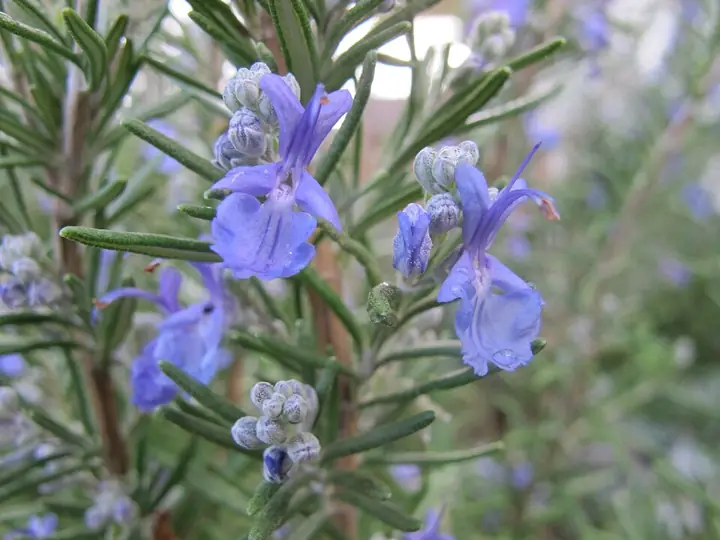 Herb
Takes full sun, wind and drought. Flowers in winter and is a magnet for bees. Avoid waterlogging.
See profile →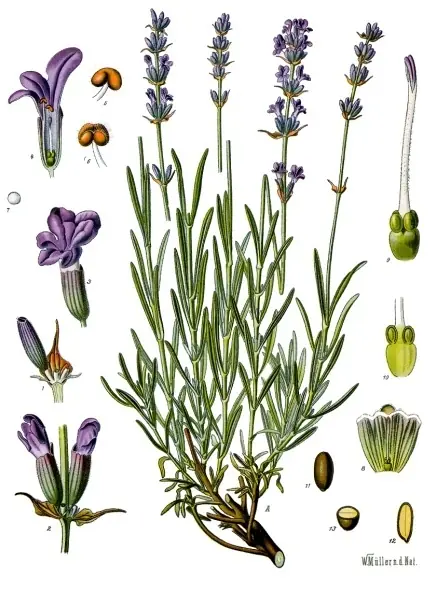 Herb
Sun and well-drained soil. Trim lightly after flowering to keep it compact. Toxic to dogs and cats if eaten.
See profile →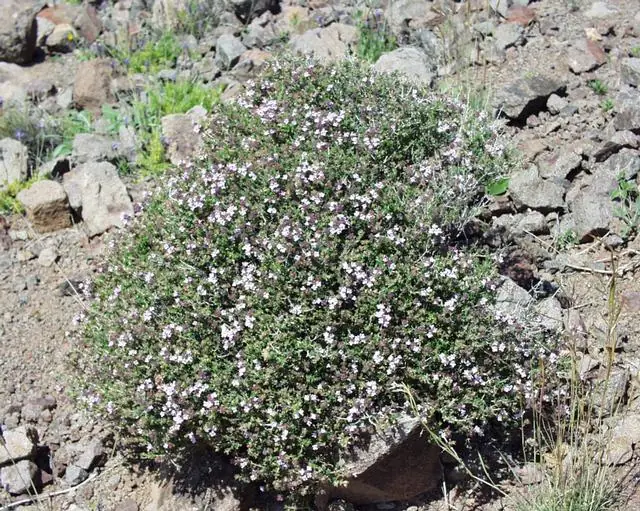 Herb
A sun-loving, low-water herb, ideal for edges and rockeries. Trim after flowering so it doesn't turn woody.
See profile →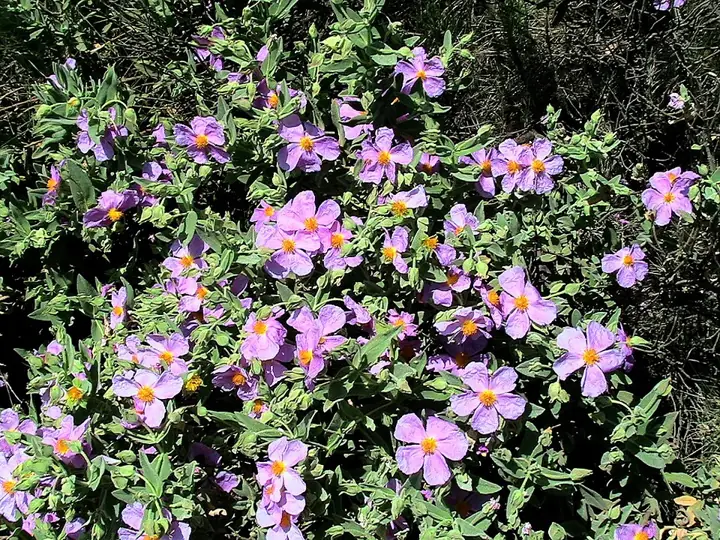 Shrub
Pink spring flowers and grey heat-proof leaves. Needs good drainage.
See profile →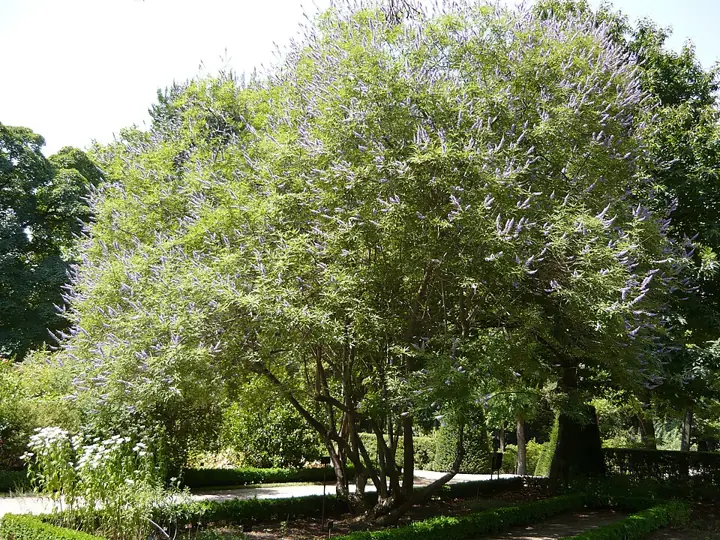 Shrub
A native of Mallorca's stream beds. Violet-blue flower spikes in high summer, when the garden is at its dullest, and aromatic leaves. Prune hard in winter: it flowers on new wood.
See profile →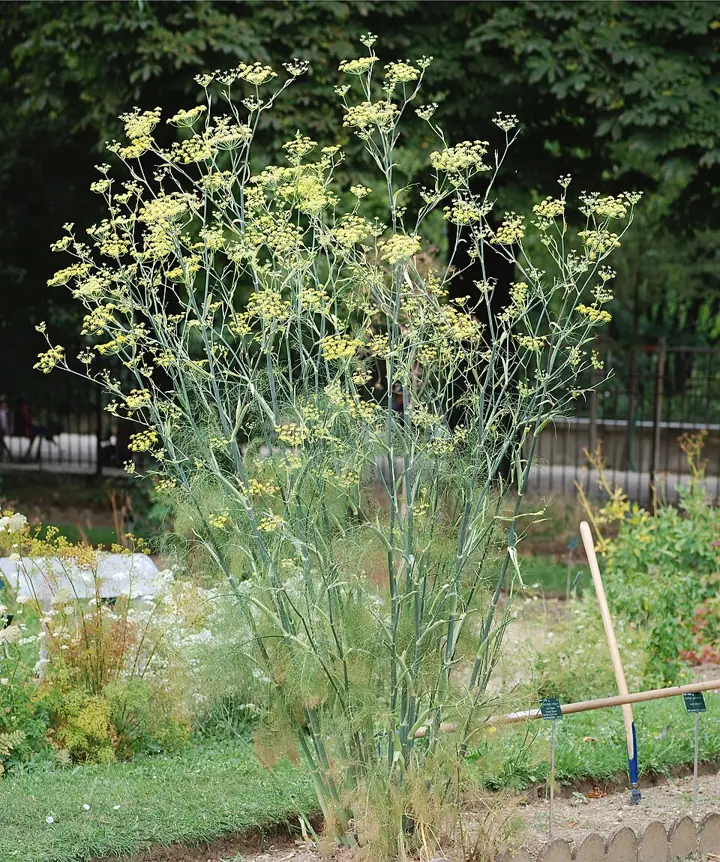 Herb
The wild fennel of country lanes, essential in Majorcan cooking. Feathery aniseed-flavoured leaves and yellow flowers buzzing with beneficial insects. It self-seeds.
See profile →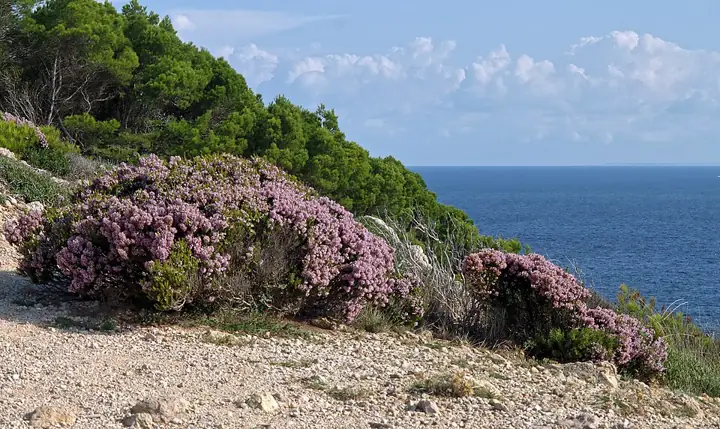 Shrub
A native of Mallorca's scrubland: smothered in pink flowers in autumn, when little else blooms, feeding the bees. Needs no watering or feeding.
See profile →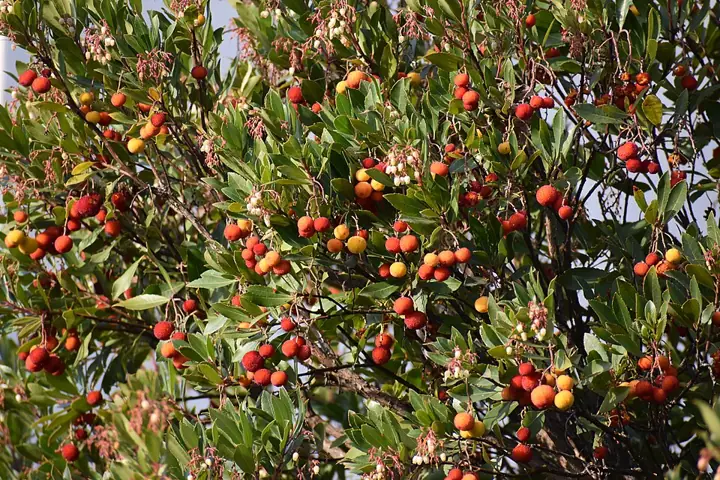 Tree
A native evergreen small tree. In autumn it shows white flowers and edible red fruit at the same time. Once established it copes well with drought and wind.
See profile →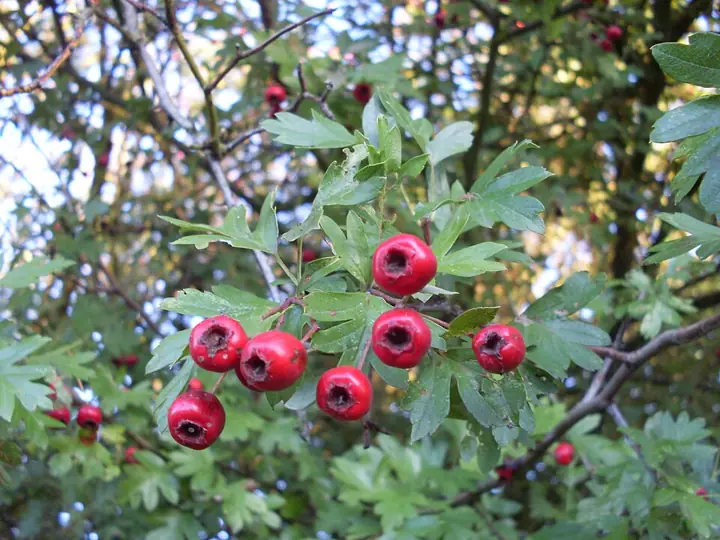 Tree
A thorny small tree smothered in white blossom in spring and red berries in autumn, food for birds. Good for defensive hedges and needs no watering.
See profile →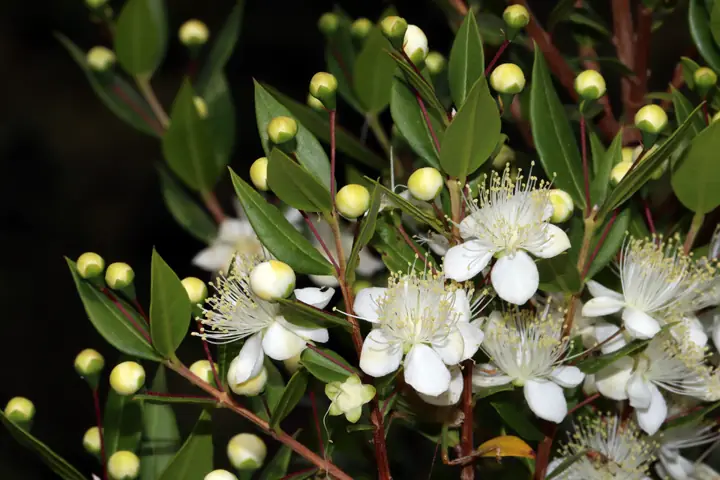 Shrub
Aromatic shrub with white summer flowers. Takes clipping and suits low hedges.
See profile →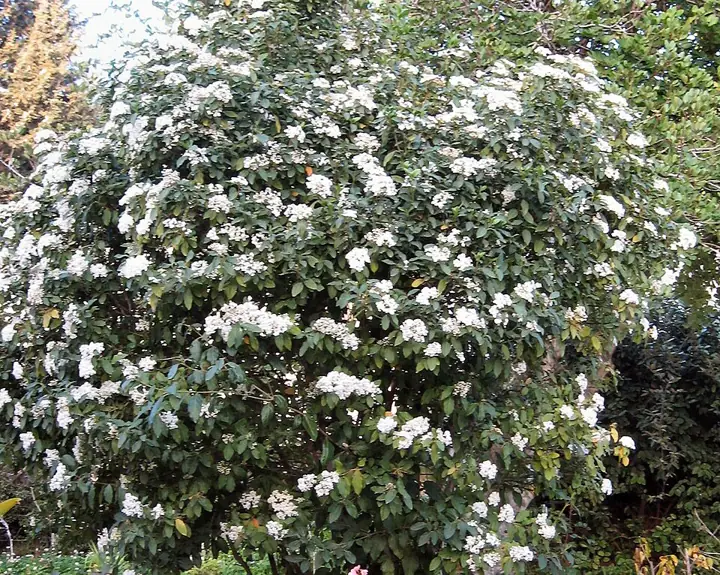 Shrub
A native shrub that flowers in the depths of winter. Tolerates part shade and suits informal hedges.
See profile →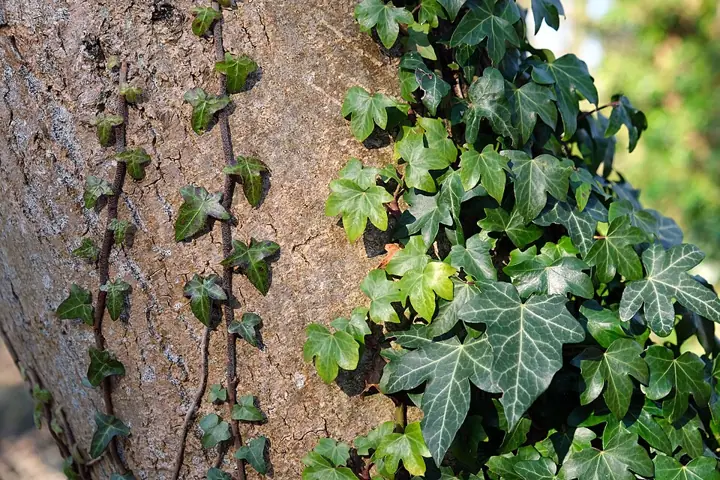 Climber
Covers walls and ground in shade, where little else grows. Trim once or twice a year to keep it in check. Toxic to pets.
See profile →How to recognise the commonest garden pests — aphids, scale insects, spider mites and whitefly — and treat them in time with gentle remedies.
Read the guide →Jun – SepWhen, how much and how to water your garden in summer in Mallorca: long, spaced-out waterings, drip irrigation, mulch and plants grouped by thirst.
Read the guide →Oct – Dec · Feb – MarWhich hedging plants work in Mallorca, when to plant them, how far apart and how to look after them in the first year so they fill in quickly.
Read the guide →