In short
- Check soft shoots and leaf undersides every week.
- If there are only a few, remove them by hand or with a jet of water.
- Potassium soap first; neem oil if they persist.
- Too much fertiliser and water: the commonest cause.
Almost all garden pests are the same four and are treated the same way: early, with gentle products and by correcting what favours them. A well-cared-for plant rarely has a serious problem.
Aphids: small green or black insects clustered on soft shoots, with curled, sticky leaves. Scale insects and mealybugs: white cottony blobs or brown shields stuck to stems and leaves. Spider mites: leaves with yellow speckling and very fine webbing, in hot, dry weather. Whitefly: clouds of tiny white flies when the plant is disturbed.
If there are only a few, remove them with your fingers, with cotton wool dipped in alcohol (scale insects) or with a jet of water. Cut off badly affected shoots and bin them. Ants usually follow aphids and protect them: control the ants and the outbreak subsides.
Potassium soap, diluted as the label says, is sprayed at dusk, wetting the undersides of the leaves thoroughly; repeat after seven days. If the pest persists, alternate with neem oil. Against spider mites, also raise the humidity: wet the leaves in the evening.
High-nitrogen fertiliser produces soft shoots that attract aphids. A congested plant with no air flow favours scale insects; dry air favours spider mites. Thin out the branches, water without excess and feed in moderation.
Ladybirds, lacewings, hoverflies and birds eat pests all day long. A garden with varied flowers and no broad-spectrum insecticides keeps them close. If you do use a product, make it a selective one and only on the affected plant.
Keep in mind: If a palm, an olive or an almond tree dries out for no apparent reason, it is not an ordinary pest: get in touch as soon as possible.
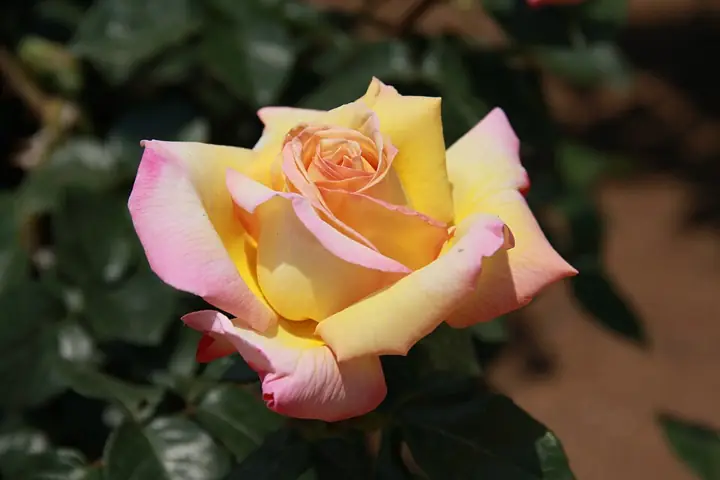 Shrub
Full sun, regular watering at the base and feeding in spring. Hard prune in January and deadhead to keep it flowering.
See profile →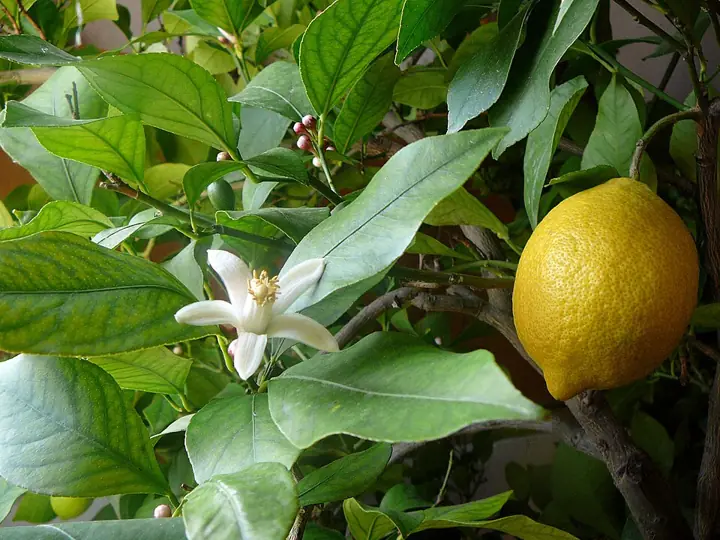 Fruit tree
Regular watering and spring feeding. On limy soils leaves may yellow: add iron chelate.
See profile →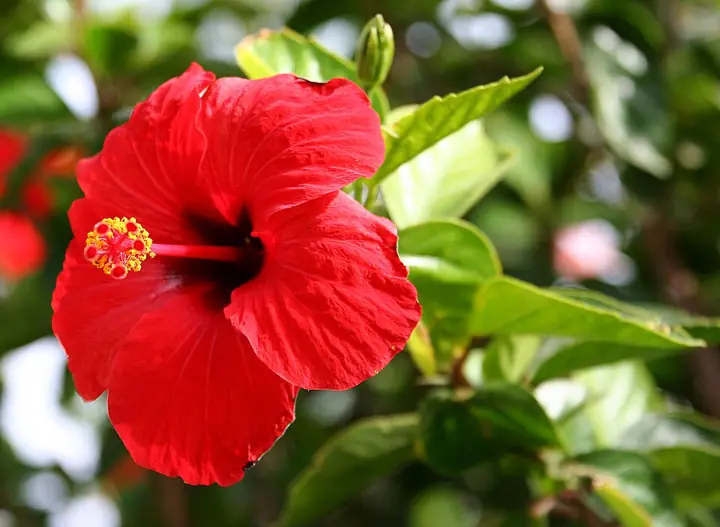 Shrub
Large flowers all summer. Likes sun and regular watering; protect it from cold in winter.
See profile →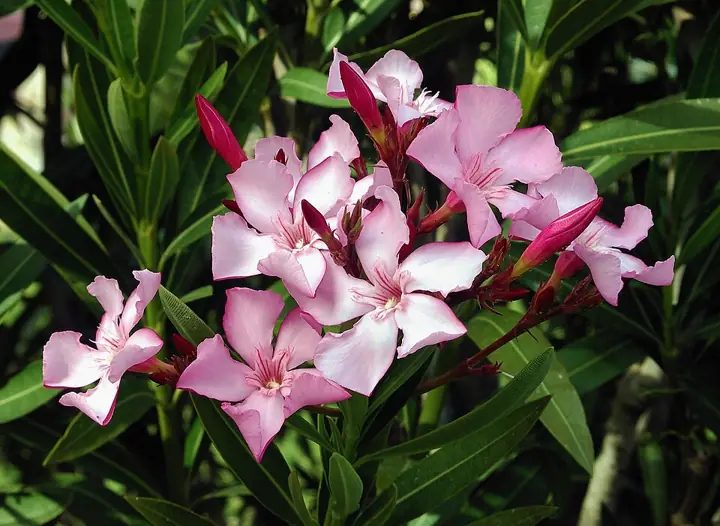 Shrub
Very heat and drought tolerant, but every part is highly toxic to people and animals.
See profile →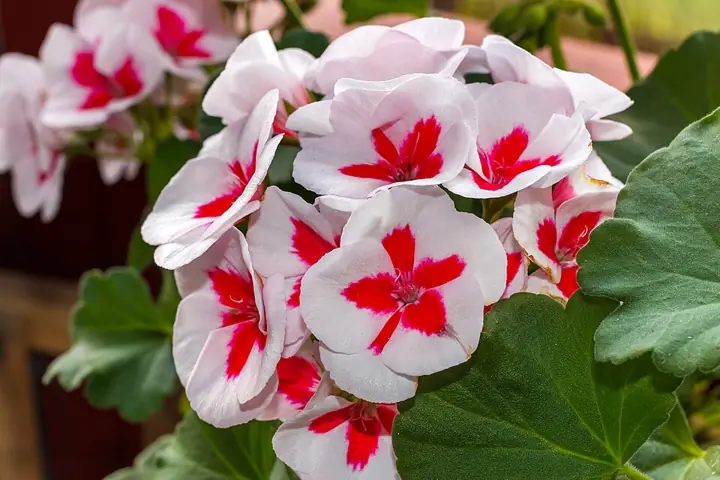 Flowering plant
A balcony classic. Water when the soil is dry and watch for the geranium bronze butterfly in summer. Toxic to pets.
See profile →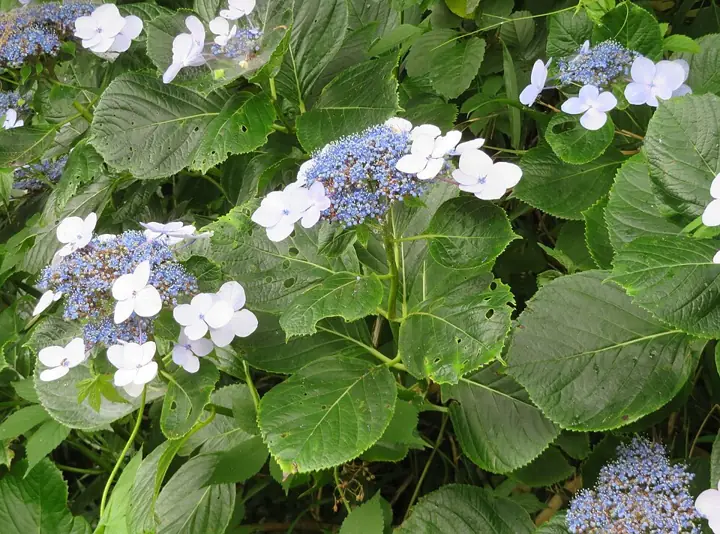 Shrub
For shaded patios and terraces, away from afternoon sun. Needs frequent watering in summer and low-lime water to keep its colour.
See profile →When, how much and how to water your garden in summer in Mallorca: long, spaced-out waterings, drip irrigation, mulch and plants grouped by thirst.
Read the guide →Oct – Dec · Feb – MarWhich hedging plants work in Mallorca, when to plant them, how far apart and how to look after them in the first year so they fill in quickly.
Read the guide →Mar – OctHow to spot red palm weevil in time, which preventive treatments exist and why palms should only be pruned in winter.
Read the guide →