← All guides
Practical guide

How to plant a hedge and which one to choose

A hedge gives privacy, breaks the wind and frames the garden. Choosing the right plant and planting at the right time saves water, pruning and disappointment for years.

Best time: Oct – Dec · Feb – Mar2 min read

In short

  • Plant in autumn: the rains do the work of settling it in.
  • Choose the species by the height you want and whether sea wind reaches it.
  • Leave 50 cm to 1 m between plants, depending on their size.
  • It needs watering through its first summer; far less after that.

Step by step

  1. Decide on height and style

    For a low, clipped hedge up to a metre, myrtle, shrubby germander or coastal rosemary work well. For a medium one, mastic, Japanese mock orange, laurustinus or photinia. For a tall screen, Mediterranean buckthorn, bay laurel or cypress. Near the sea, choose those that stand up to salt spray: mock orange, mastic, shrubby germander and coastal rosemary.

  2. Plant in autumn

    From October to December the soil is still warm and the rains arrive: the plant roots all winter and faces its first summer much stronger. The second-best time is February and March.

  3. Dig a trench, not separate holes

    Dig a trench about 40 cm wide and deep along the whole line and mix the soil with compost. Roots spread more easily than from individual holes and the hedge grows more evenly.

  4. Respect the spacing

    For low hedges, two or three plants per metre. For medium and tall hedges, one plant every 60 to 100 cm. Planting closer doesn't close the hedge sooner: the plants compete with each other and end up weaker. Lay the drip line before backfilling.

  5. Water and tip-prune in the first year

    Water well at planting and keep watering through the first summer. Trim the tips a couple of times in the first year, even while the hedge is still short: it will branch from the bottom and not go bare at the base.
Common mistakes

  • Planting in high summer: the plant struggles and needs twice the water.
  • Letting the hedge shoot up without tipping it: it ends up empty at the bottom.
  • Mixing species with very different water needs in the same row.

Plants in this guide

Shrub

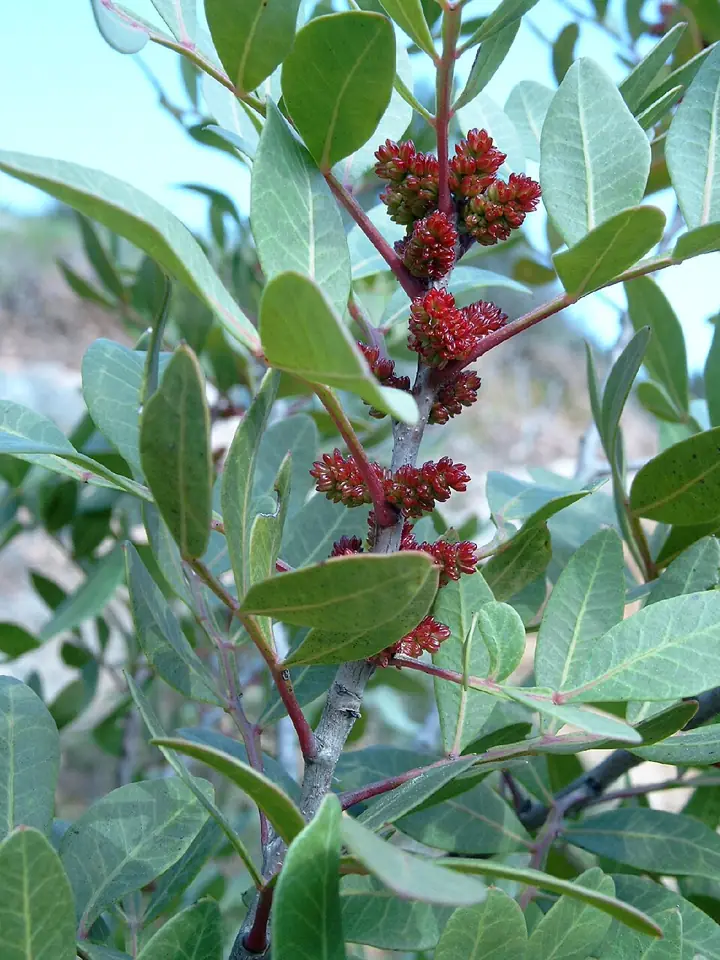
Mastic tree

Pistacia lentiscus

Very hardy native shrub, ideal for informal hedges and unwatered areas once established.

SunPartial shadeLow waterPets: ask usNative
See profile →
Shrub

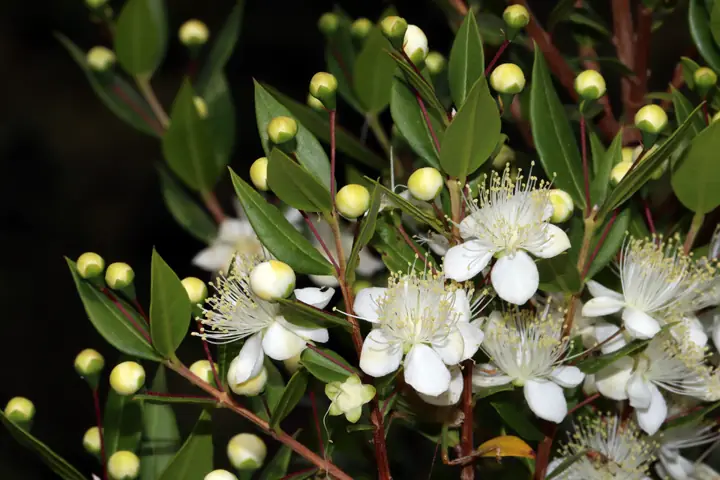
Myrtle

Myrtus communis

Aromatic shrub with white summer flowers. Takes clipping and suits low hedges.

SunPartial shadeLow waterPets: ask usNative
See profile →
Shrub

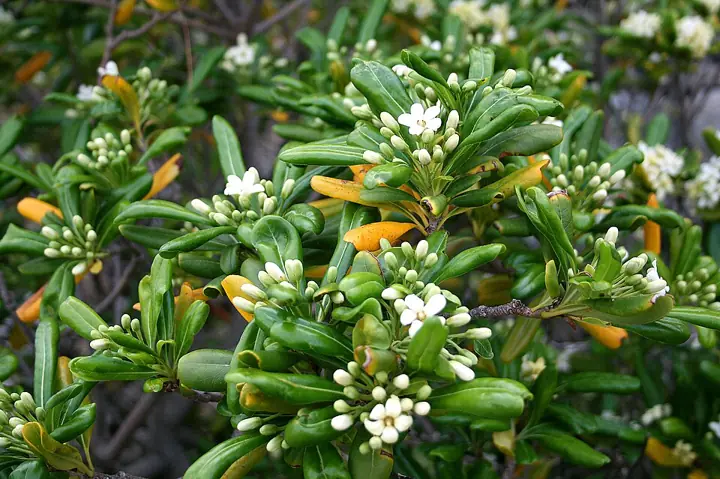
Japanese mock orange

Pittosporum tobira

A hedge that stands up well to wind and salt spray. White, orange-blossom-scented flowers in spring.

SunPartial shadeLow waterPets: ask us
See profile →
Shrub

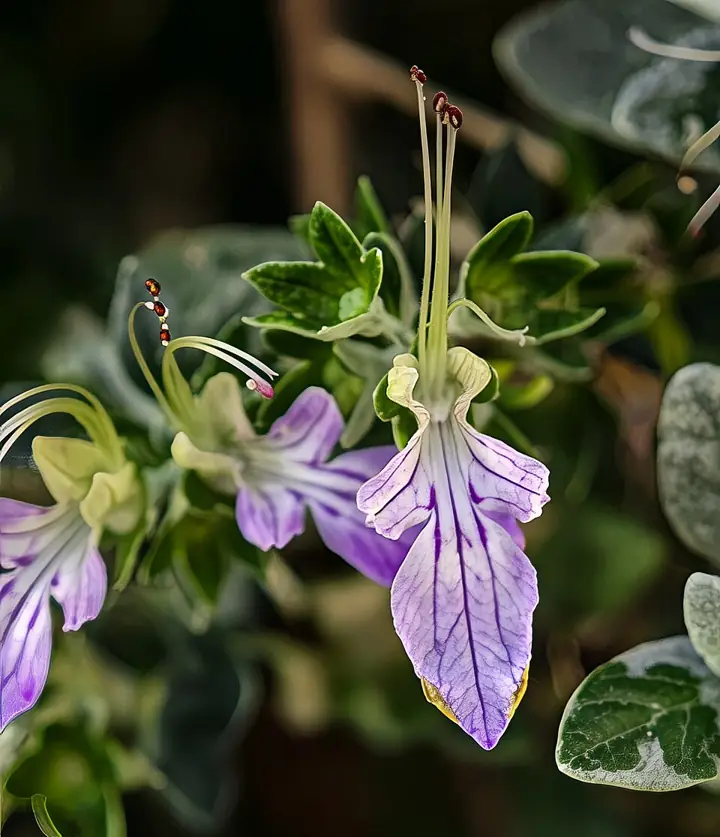
Shrubby germander

Teucrium fruticans

Silvery leaves and pale blue flowers for much of the year. Very drought tolerant, ideal for Mediterranean-style hedges.

SunLow waterPets: ask us
See profile →
Shrub

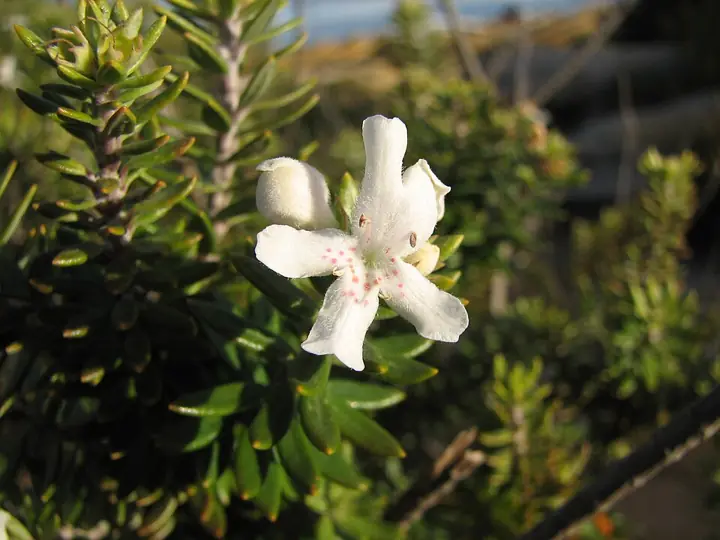
Coastal rosemary

Westringia fruticosa

Like rosemary but more compact. Copes with seafront sites and clips well into low hedges.

SunLow waterPets: ask us
See profile →
Shrub

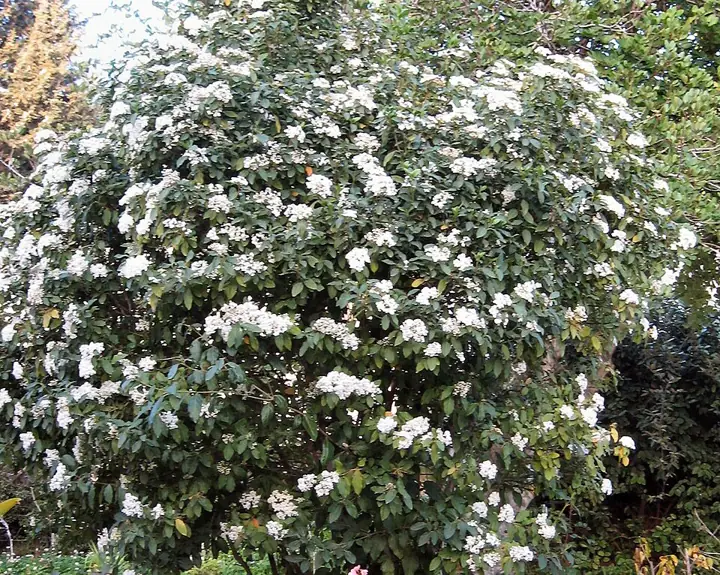
Laurustinus

Viburnum tinus

A native shrub that flowers in the depths of winter. Tolerates part shade and suits informal hedges.

SunPartial shadeShadeMedium waterPets: ask usNative
See profile →
Shrub

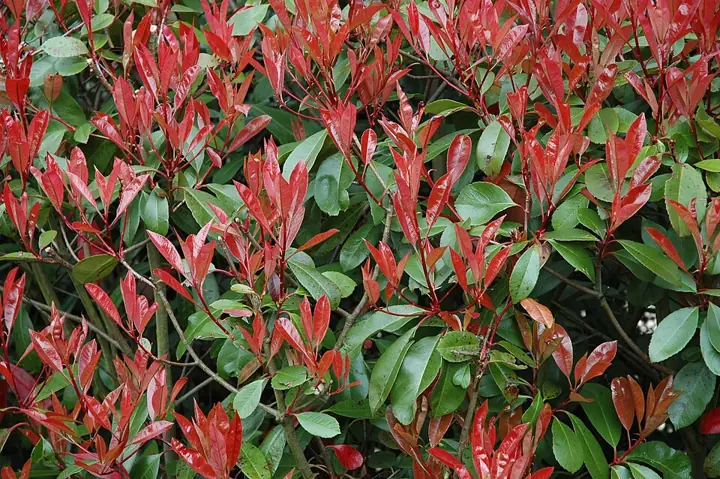
Red robin photinia

Photinia × fraseri

A hedge with striking red shoots. Every trim brings a new flush of red leaves; water in summer until established.

SunPartial shadeMedium waterPets: ask us
See profile →
Shrub

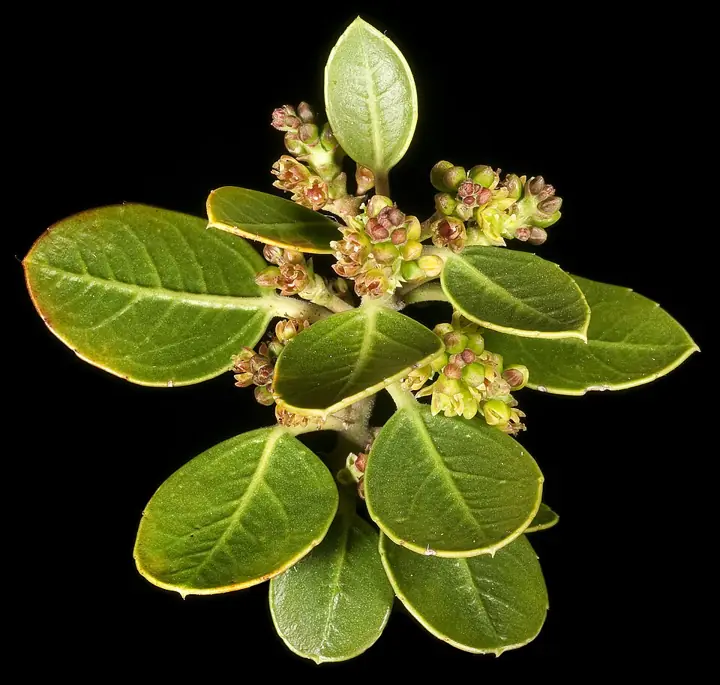
Mediterranean buckthorn

Rhamnus alaternus

A native evergreen shrub with glossy leaves. Fast-growing, drought and wind tolerant, with berries that birds love.

SunPartial shadeLow waterPets: ask usNative
See profile →
Shrub

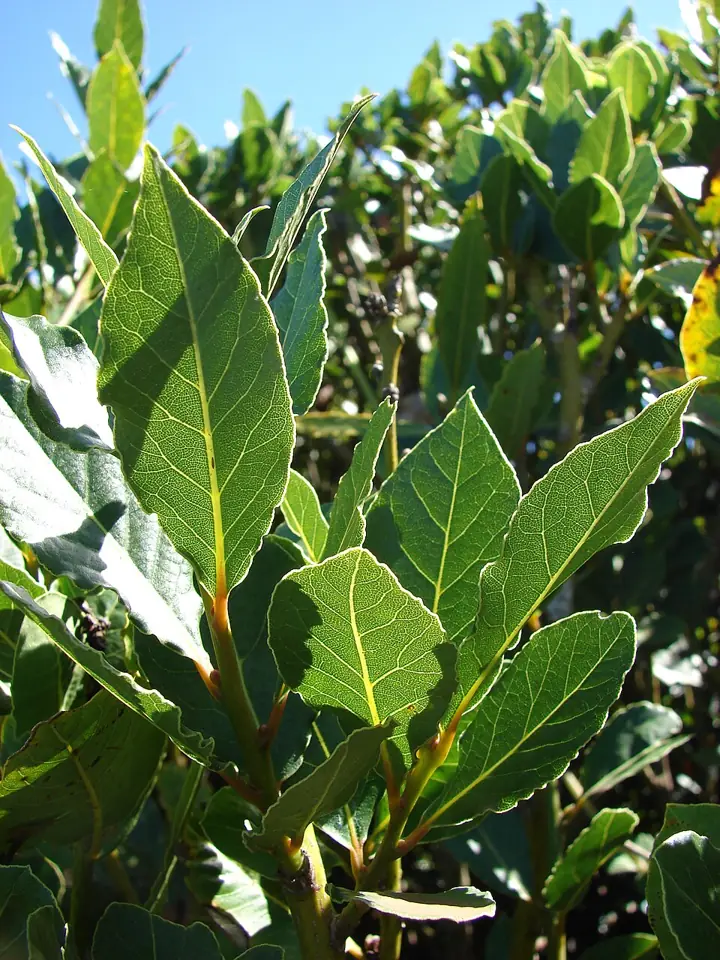
Bay laurel

Laurus nobilis

Leaves for the kitchen all year round. Clips well as a hedge or in a pot and tolerates drought once established.

SunPartial shadeLow waterToxic to pets
See profile →
Tree

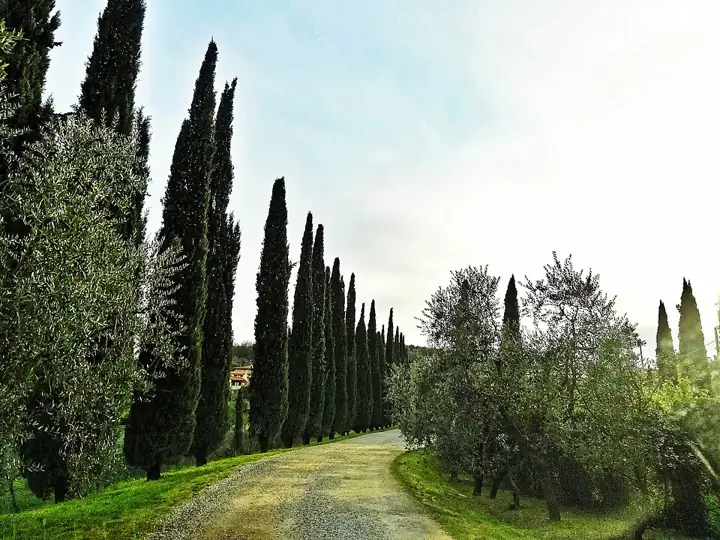
Mediterranean cypress

Cupressus sempervirens

A green column that needs no pruning and hardly any water. Space hedge plants well and avoid waterlogging, which brings fungal disease.

SunLow waterPets: ask us
See profile →

Other guides