In short
- Most are pruned in late winter; almond is best done in autumn.
- Start with what is dead, diseased or crossing.
- Never more than a third of the canopy at once.
- Disinfect your tools between one tree and the next.
Pruning isn't cutting for the sake of it: it lets in light and air so the tree fruits better and suffers less disease. With a few simple rules, anyone can do a sound maintenance prune.
Olive: after harvest and before it sprouts, from January to March. Fig, pomegranate and grapevine: in midwinter, when leafless. Almond: in autumn, after leaf fall. Lemon and orange: a light prune in late winter or early spring, once the cold has passed. Avoid pruning in rain or when frost is forecast.
First cut out dead, broken or diseased branches. Then the water shoots — vigorous upright shoots growing from the trunk or main branches — and the suckers at the base. That alone already does the tree a lot of good.
Remove branches that grow inwards or that cross and rub. In olives and many fruit trees the aim is a vase-shaped canopy, open in the middle, so that sunlight reaches every branch. An old rule says a bird should be able to fly through a well-pruned olive tree.
Make clean cuts close to where the branch starts, without damaging the collar — the slight swelling at its base — and without leaving stubs. On thick branches, cut in three stages so the bark doesn't tear. Don't remove more than a third of the canopy in a year: over-pruning triggers a burst of water shoots.
Wipe secateurs and saws with alcohol or diluted bleach when moving to another tree: it is the best defence against diseases such as Xylella, which is present in Mallorca. Clear away the prunings; if they aren't diseased, shredded they make good mulch.
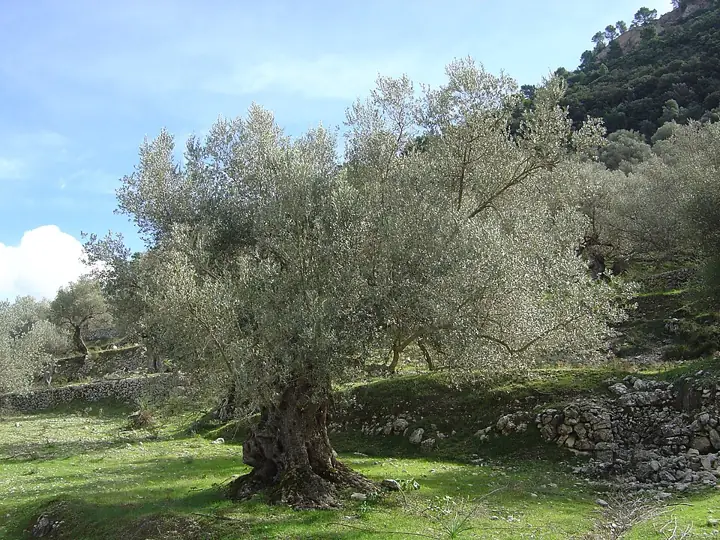 Tree
Majorca's tree par excellence. Lives for centuries on very little water; thinning it out in late winter keeps it healthy.
See profile →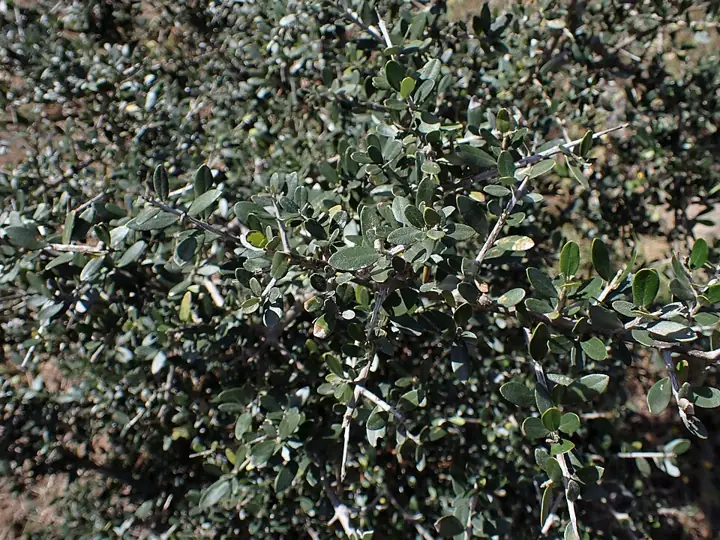 Tree
The islands' wild olive. Takes formative pruning and grows in poor, limy soils.
See profile →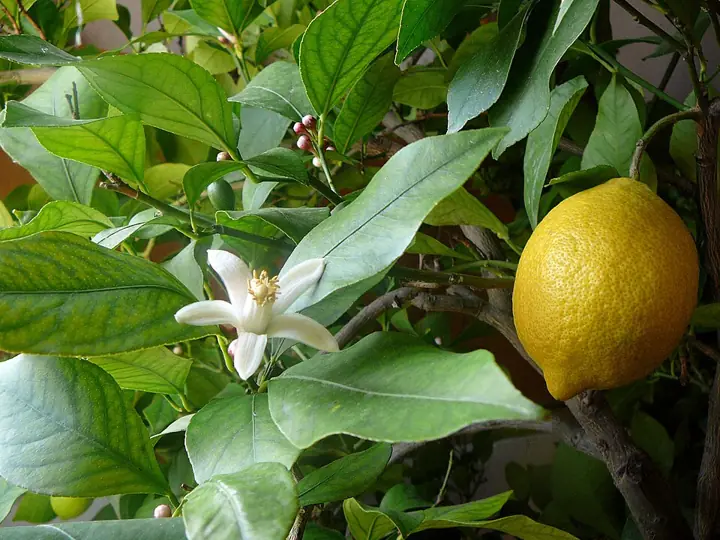 Fruit tree
Regular watering and spring feeding. On limy soils leaves may yellow: add iron chelate.
See profile →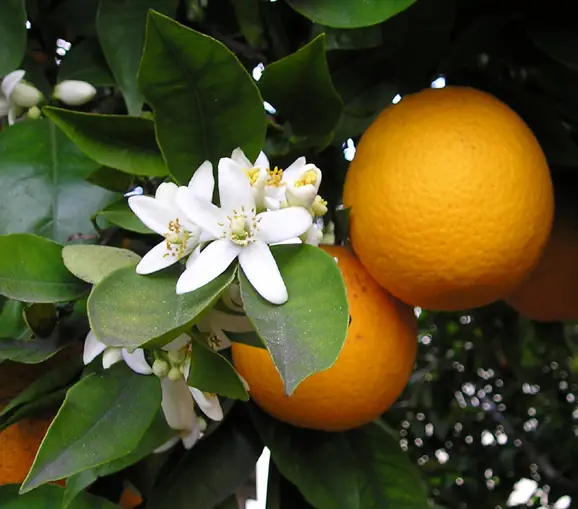 Fruit tree
Scented blossom in spring and oranges in winter. Needs regular watering in summer and citrus feed from February to September.
See profile →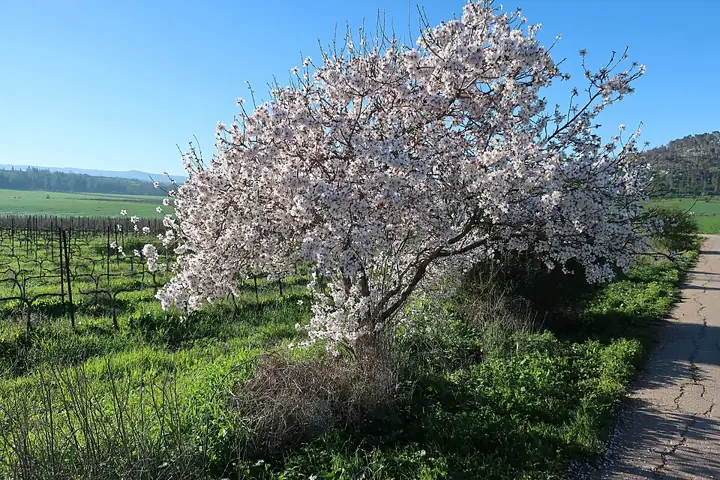 Fruit tree
The tree of the Mallorcan landscape. It blooms in midwinter, needs hardly any water and gives almonds in summer. Prune it after the harvest.
See profile →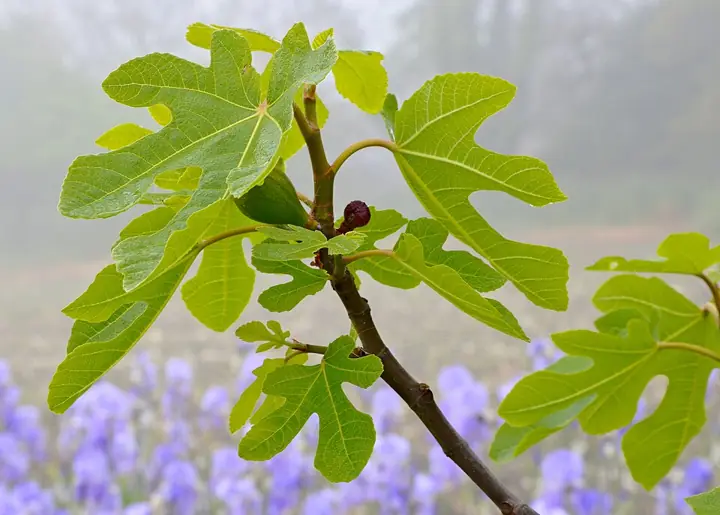 Fruit tree
Copes with drought and poor soil and fruits in late summer. Its sap irritates the skin, so wear gloves when pruning.
See profile →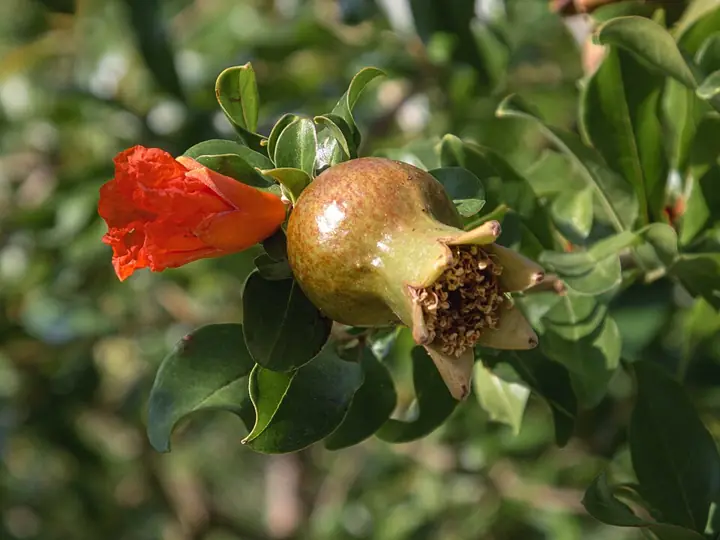 Fruit tree
A small tree that stands up well to heat and drought. Red flowers in spring and pomegranates in autumn. It can be pruned to keep it low.
See profile →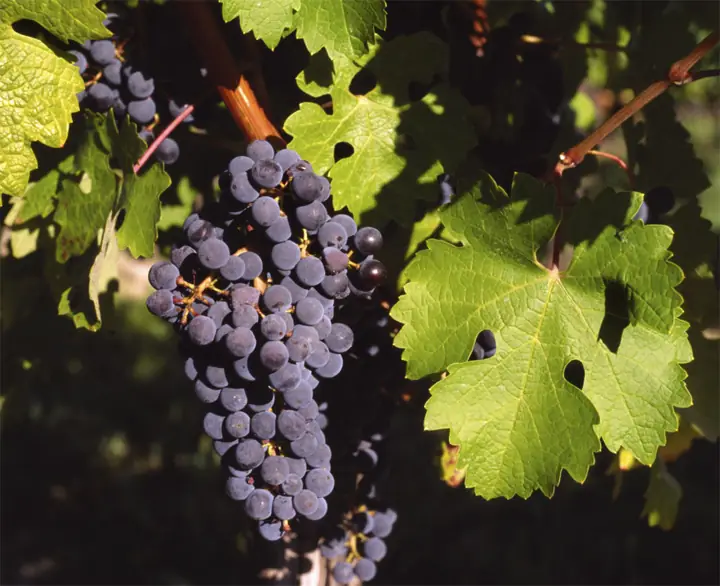 Climber
The classic shade for Majorcan pergolas, with grapes in late summer. Prune in winter, when it is leafless.
See profile →Plants that cope with sun, wind and salt on terraces and penthouses in Mallorca, and how to choose pots, compost and irrigation so they last.
Read the guide →Sep – NovStep by step to revive a patchy lawn after the summer in Mallorca: scarify, aerate, overseed, top-dress and feed in autumn.
Read the guide →Oct – Dec · Jan – MarStep by step to plant a tree or shrub properly in Mallorca: when to do it, how to dig the hole, how deep to set it and how to water it in the first year.
Read the guide →