In short
- Choose Mediterranean plants and succulents: they are made for this climate.
- Large, heavy pots: they dry out more slowly and don't blow over.
- Drip irrigation on a timer: in summer pots need water often.
- Cover the compost with gravel or bark.
A terrace in full sun and wind is the toughest place for a plant: the pot overheats, the compost dries out in hours and the air scorches the leaves. With the right species and large pots, it can be green all year.
For height: olive, dwarf fan palm, Japanese mock orange or shrubby germander. For filling out: rosemary, lavender and coastal rosemary. For colour: gazania and society garlic. And for the most exposed corners, succulents such as aloe or jade plant. All of them take sun, wind and the odd missed watering.
The more compost, the bigger the water reserve and the cooler the roots. For shrubs, pots at least 40 cm across; for an olive or a fan palm, 60 cm or more. Terracotta and stone are heavier and insulate better than dark plastic. Check they have drainage holes and, on penthouses, bear the weight in mind: a large pot that has just been watered is very heavy.
Use good-quality compost lightened with perlite or coarse sand. Garden soil on its own compacts in a pot and suffocates the roots.
In July and August a pot in the sun may need water every day or two. A drip system on a timer — battery-powered ones fit an ordinary tap — waters before dawn and lets you go on holiday with peace of mind.
Cover the surface with gravel or bark so it neither dries out nor blows away. Group the pots together: they give each other shade and humidity. Tall plants should be well staked or set against a wall.
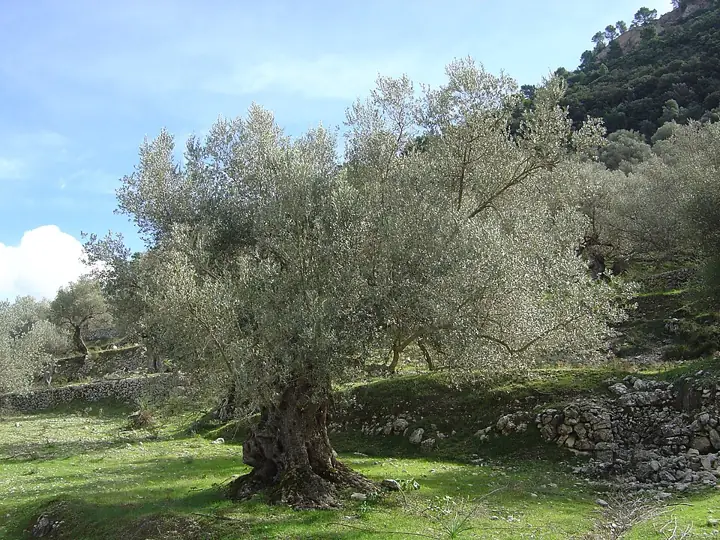 Tree
Majorca's tree par excellence. Lives for centuries on very little water; thinning it out in late winter keeps it healthy.
See profile →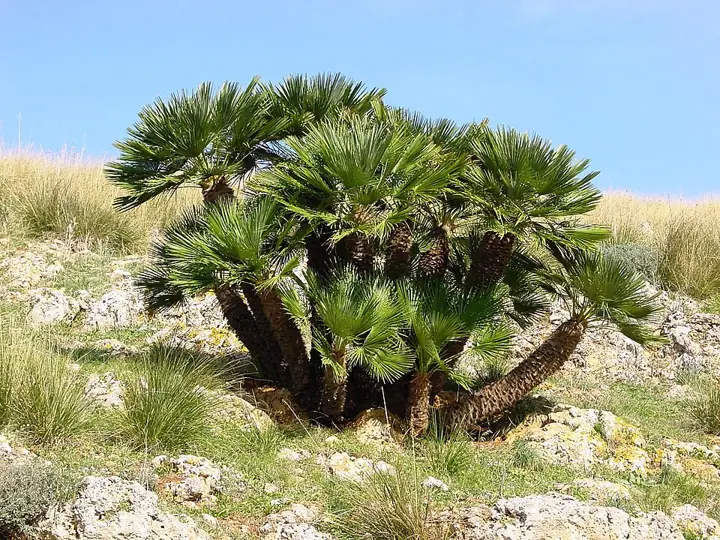 Palm
Europe's only native palm. Very drought tolerant and less affected by the red palm weevil.
See profile →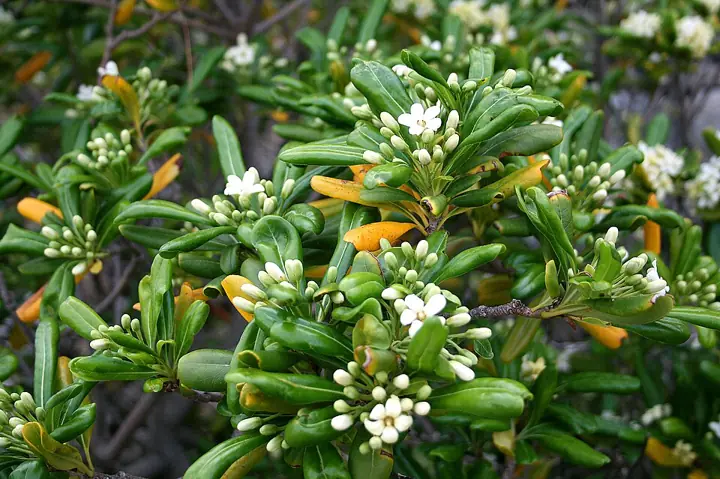 Shrub
A hedge that stands up well to wind and salt spray. White, orange-blossom-scented flowers in spring.
See profile →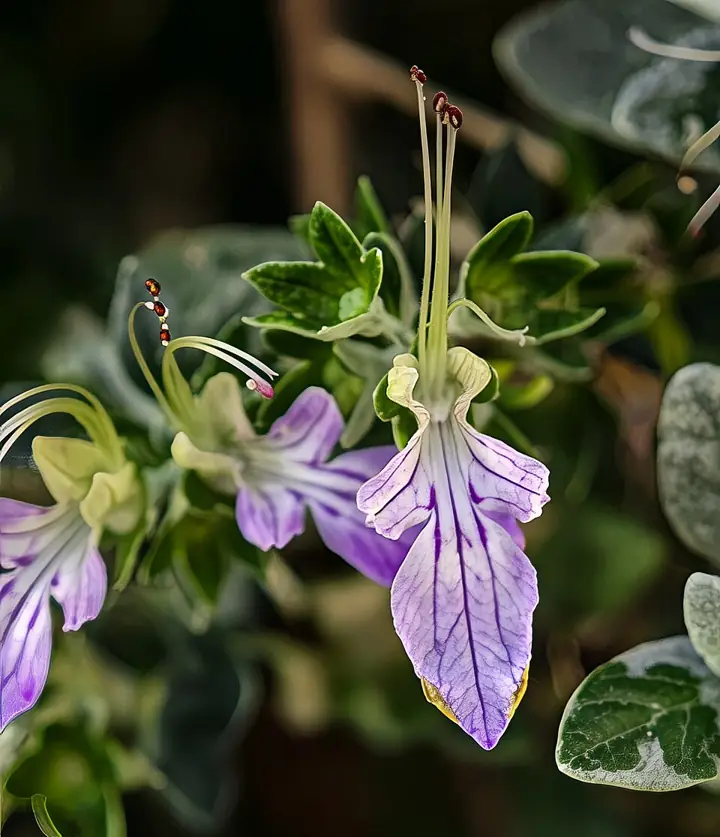 Shrub
Silvery leaves and pale blue flowers for much of the year. Very drought tolerant, ideal for Mediterranean-style hedges.
See profile →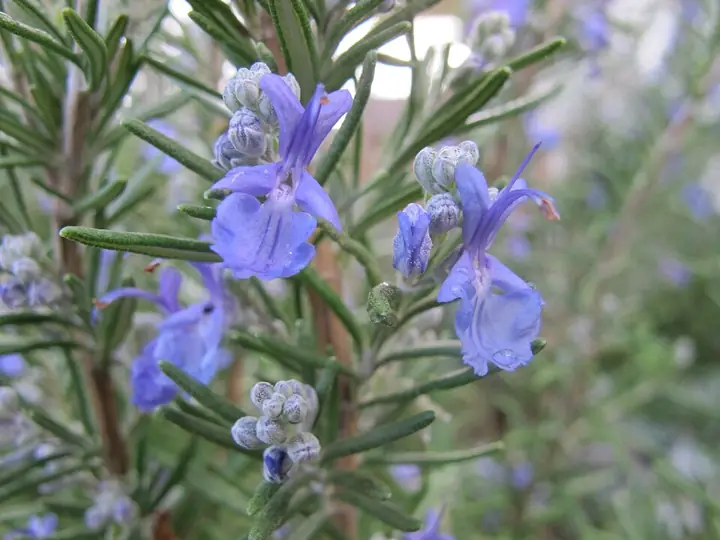 Herb
Takes full sun, wind and drought. Flowers in winter and is a magnet for bees. Avoid waterlogging.
See profile →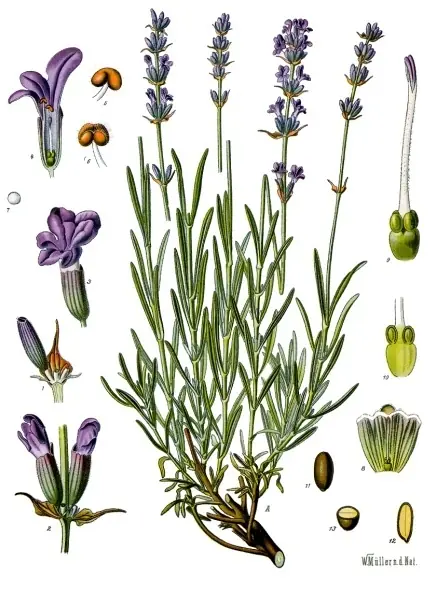 Herb
Sun and well-drained soil. Trim lightly after flowering to keep it compact. Toxic to dogs and cats if eaten.
See profile →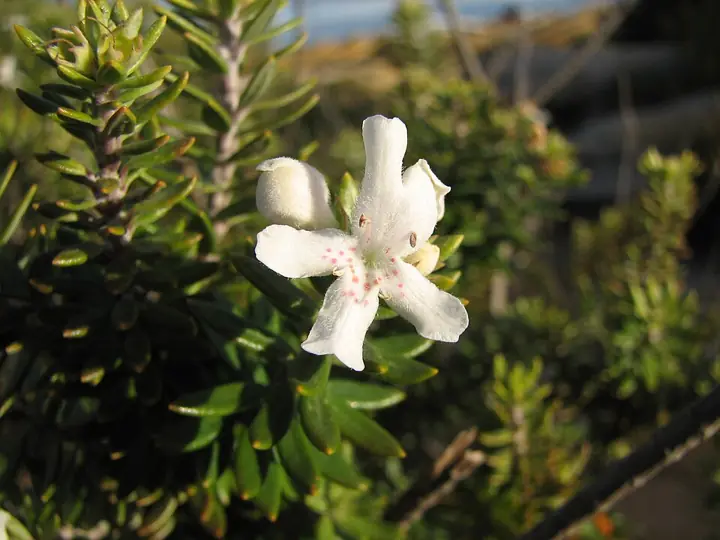 Shrub
Like rosemary but more compact. Copes with seafront sites and clips well into low hedges.
See profile →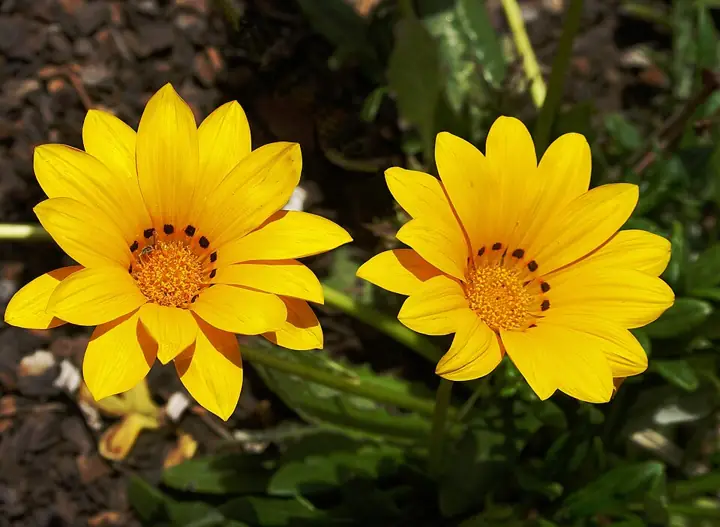 Ground cover
 with bright flowers that open in the sun. Great for banks and sunny planters.
See profile →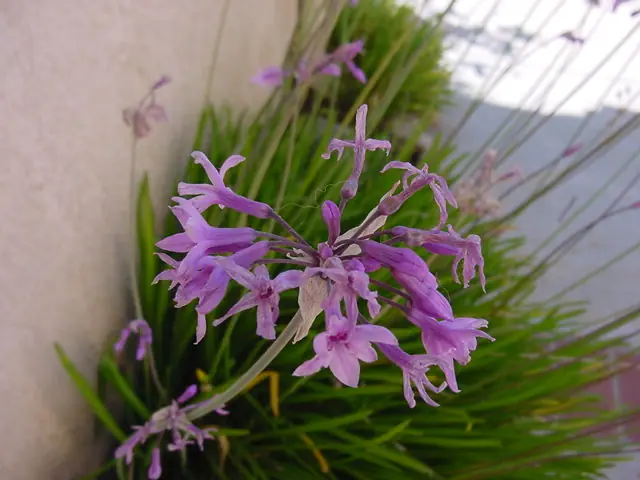 Flowering plant
Clumps of lilac flowers from spring to autumn on very little water. Widely used for edging; the leaves smell of garlic when touched.
See profile →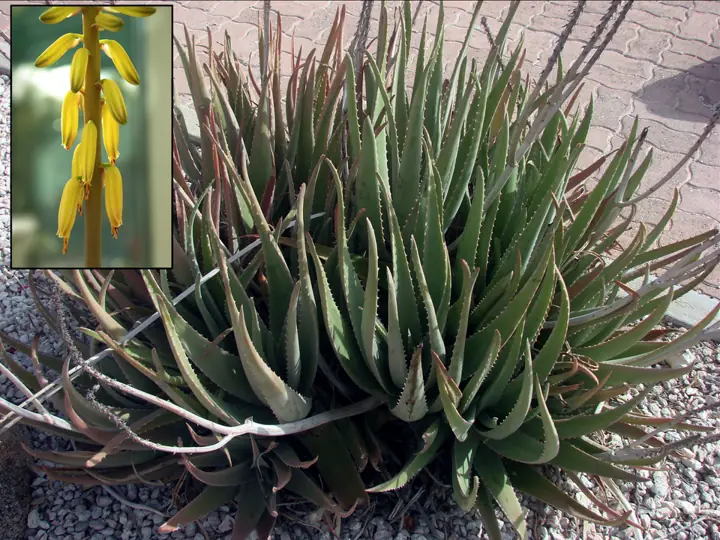 Succulent
Little water and very free-draining soil. Toxic to dogs and cats.
See profile →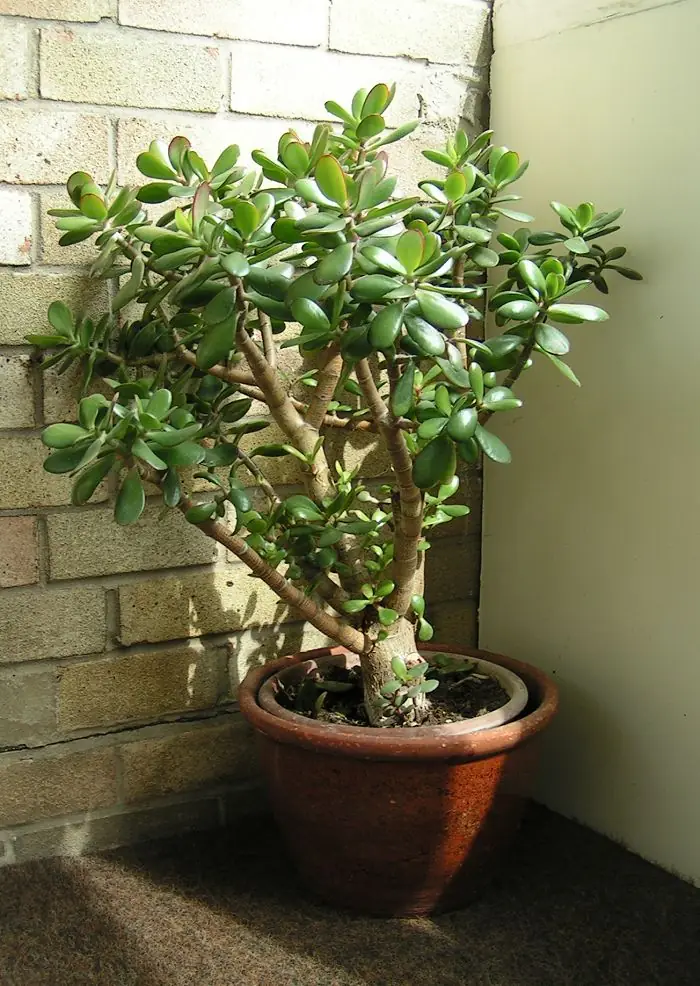 Succulent
A fleshy-leaved succulent that lives for decades in a pot. Let the soil dry between waterings: too much water rots it.
See profile →Step by step to revive a patchy lawn after the summer in Mallorca: scarify, aerate, overseed, top-dress and feed in autumn.
Read the guide →Oct – Dec · Jan – MarStep by step to plant a tree or shrub properly in Mallorca: when to do it, how to dig the hole, how deep to set it and how to water it in the first year.
Read the guide →Feb – SepHow to care for a lemon, orange or mandarin tree in Mallorca, in the ground or in a pot: watering, feeding, yellow leaves, pruning and the commonest pests.
Read the guide →