← All guides
Practical guide

How to plant a tree or a shrub

A well-planted tree roots quickly and is hardly any work; a badly planted one carries the problem for life. The difference lies in a few details on planting day.

Best time: Oct – Dec · Jan – Mar2 min read

In short

  • The best time is October to March; in summer, only if you must.
  • A wide hole rather than a deep one: twice the width of the root ball.
  • The root collar level with the ground, never buried.
  • The first summer decides it: water deeply every few days.
Step by step

  1. Choose the spot with its adult size in mind

    Check how tall and wide it will grow, and leave that distance from the house, pipes and neighbours. Make sure the soil drains: fill the hole with water and, if it is still waterlogged a few hours later, find another spot or plant on a slight mound.

  2. Dig a wide hole

    Make it twice as wide as the root ball and only as deep. Break up the sides if they are smooth and hard. The loose soil around it is where the new roots will advance.

  3. Prepare the plant

    Water it well in its pot before taking it out. If the roots are circling tight against the root ball, tease them out with your fingers or make three or four vertical cuts: otherwise they will keep circling.

  4. Set it at the right height

    The point where the trunk flares out into the roots should sit level with the ground or a finger's width above. Burying the trunk is the mistake that kills most trees, because the bark rots. Backfill with the soil from the hole, mixed with a little compost, and firm it with your foot without stamping.

  5. Watering, basin and stake

    Shape a basin — a ring of soil around the plant — and pour in two or three buckets of water straight away to settle the soil. Mulch without touching the trunk. Stake only if it is windy, with a loose tie, and remove it in the second year.

Common mistakes

  • Burying the root collar or leaving the plant in a sunken hole.
  • Filling the hole with bagged compost only: the roots never leave that “pot”.
  • Watering a little every day instead of deeply and at intervals.

Keep in mind: In the first summer, water deeply once a week, or twice in very hot weather. In the second, every fortnight. From the third on, Mediterranean species mostly look after themselves.

Plants in this guide

Tree

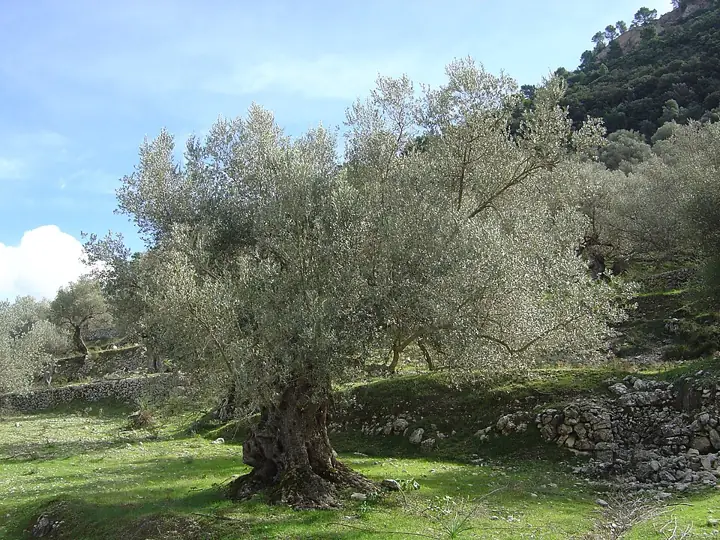
Olive tree

Olea europaea

Majorca's tree par excellence. Lives for centuries on very little water; thinning it out in late winter keeps it healthy.

SunLow waterPet-safe
See profile →
Tree

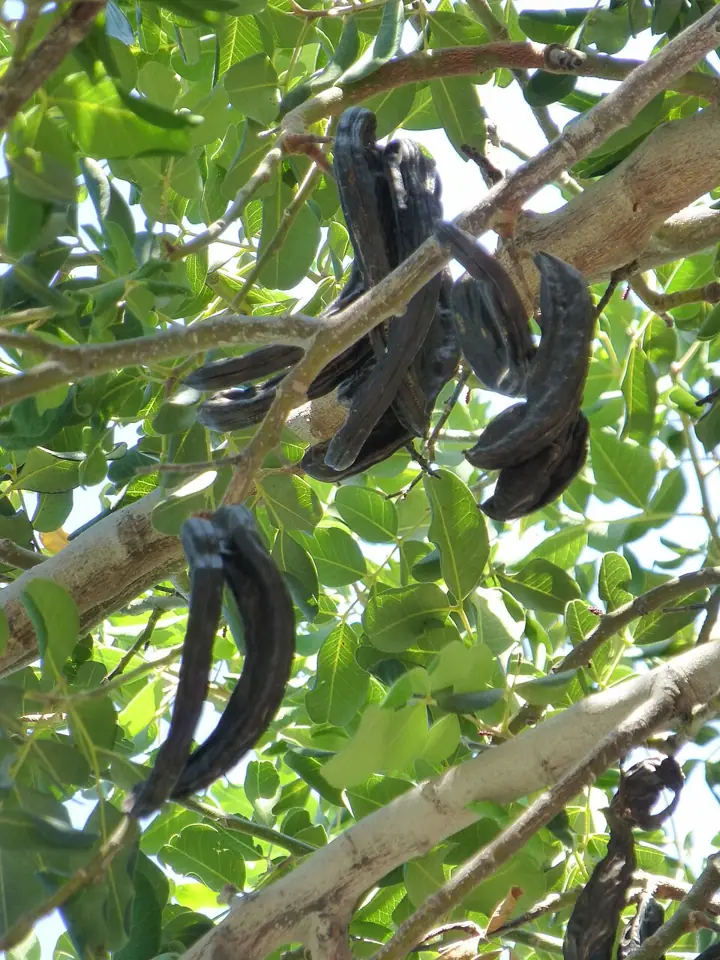
Carob tree

Ceratonia siliqua

A traditional Majorcan tree that gives good shade and needs little water once rooted.

SunLow waterPets: ask usNative
See profile →
Tree

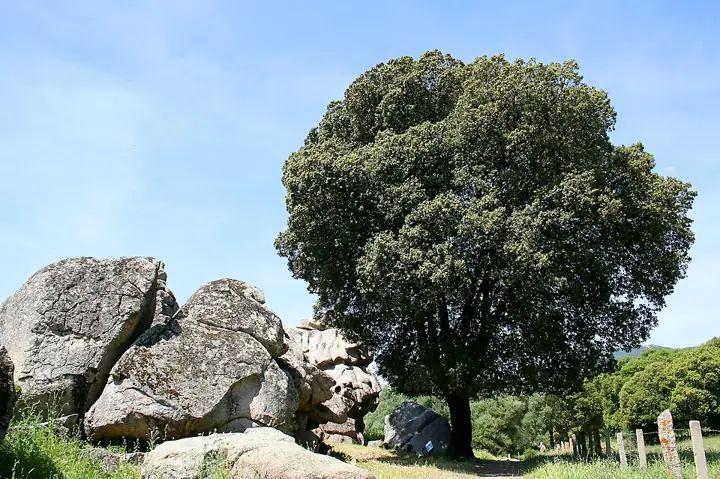
Holm oak

Quercus ilex

The tree of the Serra de Tramuntana woods. Slow-growing, lives for centuries and needs no watering once established. Plant it young, in autumn.

SunPartial shadeLow waterPets: ask usNative
See profile →
Tree

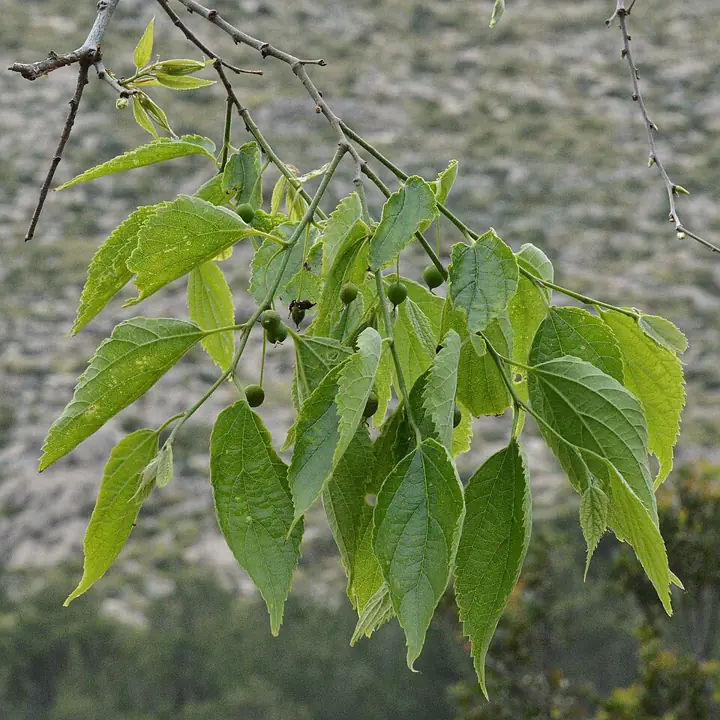
Nettle tree

Celtis australis

The classic shade tree of Majorcan squares and estates: broad shade in summer, bare in winter. Drought-resistant and deep-rooted.

SunLow waterPets: ask us
See profile →
Fruit tree

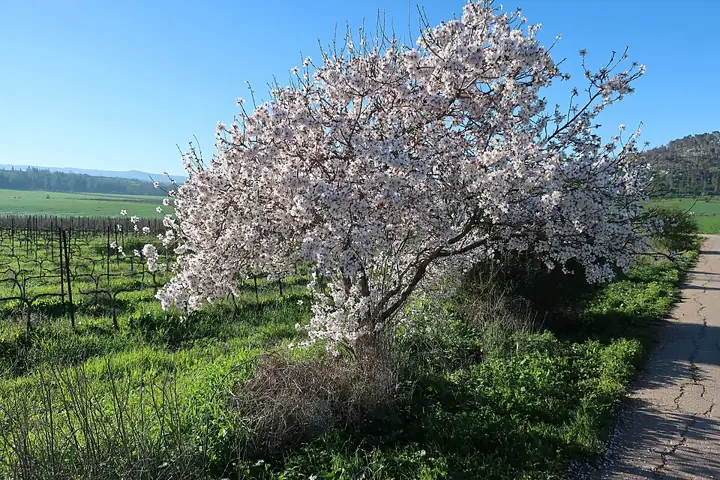
Almond tree

Prunus dulcis

The tree of the Mallorcan landscape. It blooms in midwinter, needs hardly any water and gives almonds in summer. Prune it after the harvest.

SunLow waterToxic to pets
See profile →
Fruit tree

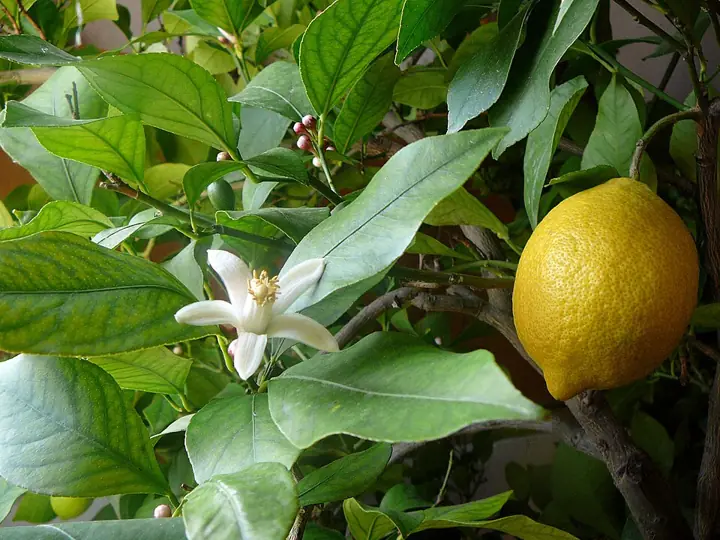
Lemon tree

Citrus × limon

Regular watering and spring feeding. On limy soils leaves may yellow: add iron chelate.

SunMedium waterToxic to pets
See profile →
Shrub

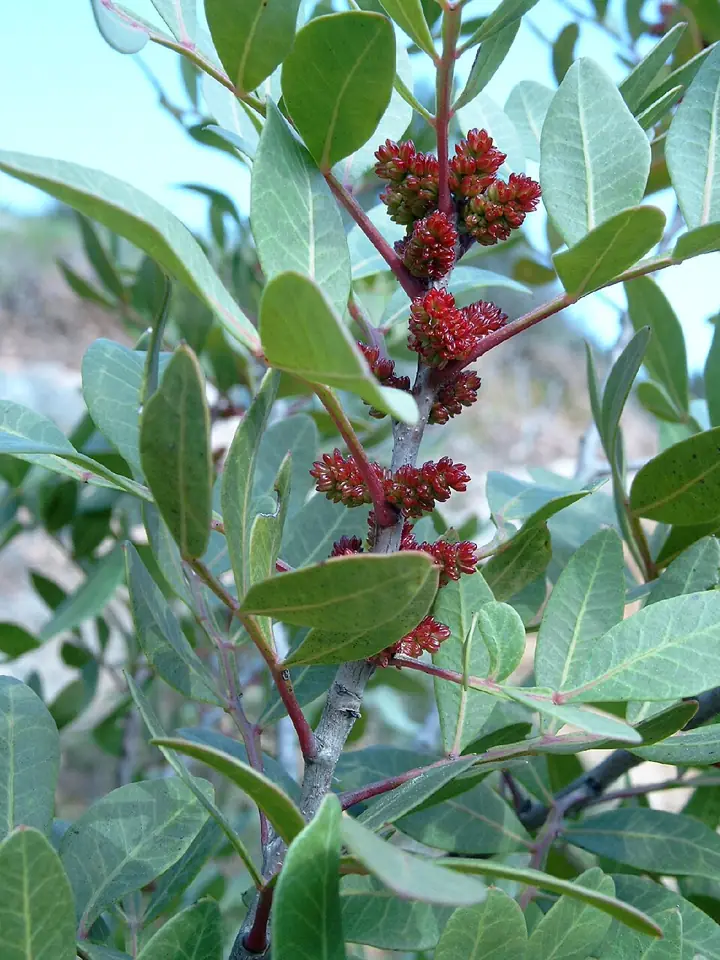
Mastic tree

Pistacia lentiscus

Very hardy native shrub, ideal for informal hedges and unwatered areas once established.

SunPartial shadeLow waterPets: ask usNative
See profile →
Tree

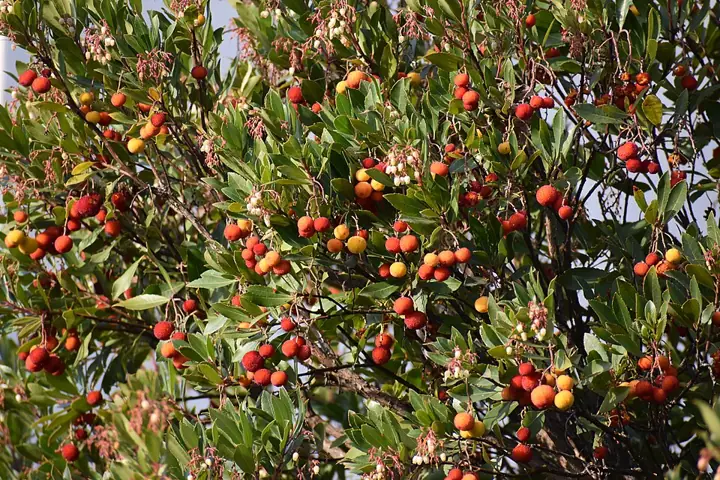
Strawberry tree

Arbutus unedo

A native evergreen small tree. In autumn it shows white flowers and edible red fruit at the same time. Once established it copes well with drought and wind.

SunPartial shadeLow waterPets: ask usNative
See profile →

Other guides