In short
- Near a window, out of direct midday sun.
- Water when the compost is dry, not by the calendar.
- Better to underwater than to overwater.
- Wipe dust off the leaves and turn the pot now and then.
Most houseplants don't die of neglect but of too much love: too much water and too little light. Understanding those two things solves nine problems out of ten.
Nearly all of them want plenty of brightness without direct sun: one or two metres from a window. In a dark corridor only the toughest cope, such as snake plant, ZZ plant or pothos. If the stems stretch and new leaves come out small, it needs more light.
Push a finger in two or three centimetres: if it is dry, water thoroughly until it runs out of the bottom and empty the saucer ten minutes later. If it is moist, wait. In winter they need far less water than in summer. Soft yellow leaves usually mean overwatering; dry tips and drooping leaves, too little.
Air conditioning and heating dry the air. Group the plants, keep them away from the units and mist fine-leaved ones such as ferns and calatheas. A tray of pebbles and water under the pot also helps.
From April to September, a liquid feed for foliage plants every fortnight, at the dose on the label or a little less. In autumn and winter they rest: don't feed them.
If roots show through the drainage holes or water runs straight through without wetting the compost, it is time for a new pot: only a couple of fingers wider, in spring and with fresh compost. A pot that is too big holds too much water.
Keep in mind: Several very common houseplants are toxic to dogs and cats. Each plant profile says so.
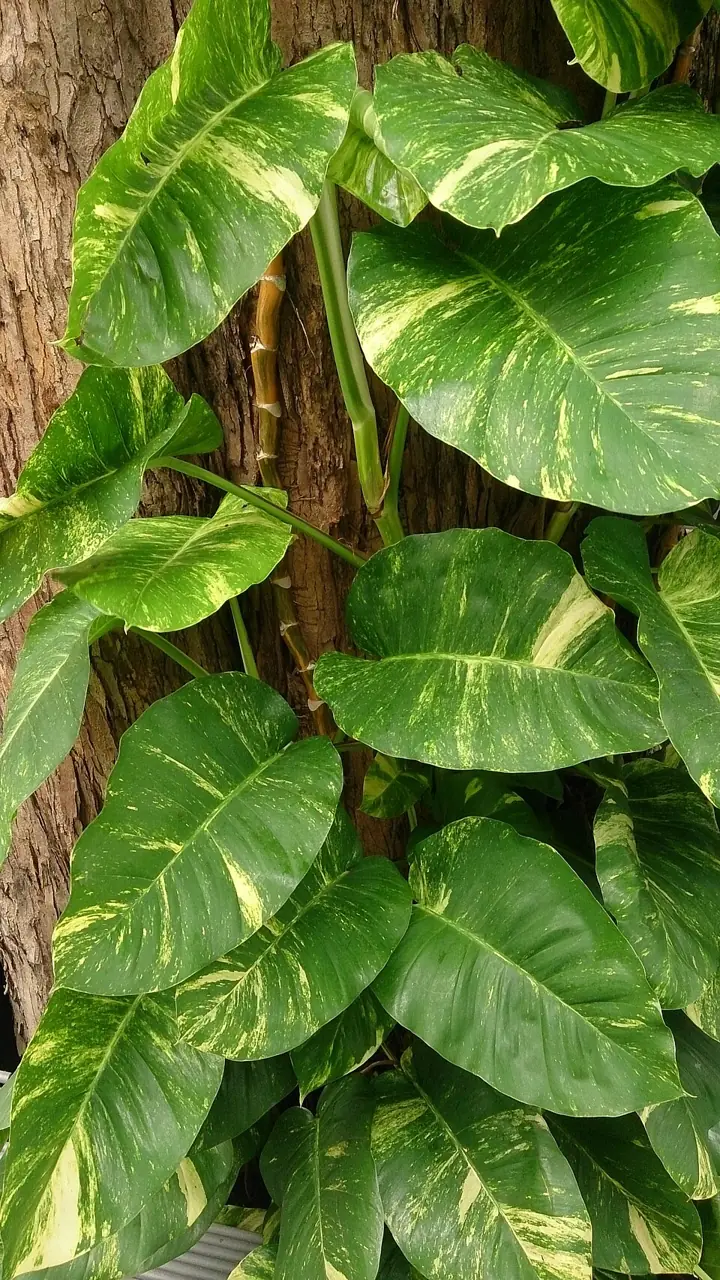 Houseplant
Copes with low light and missed watering. Toxic to dogs and cats.
See profile →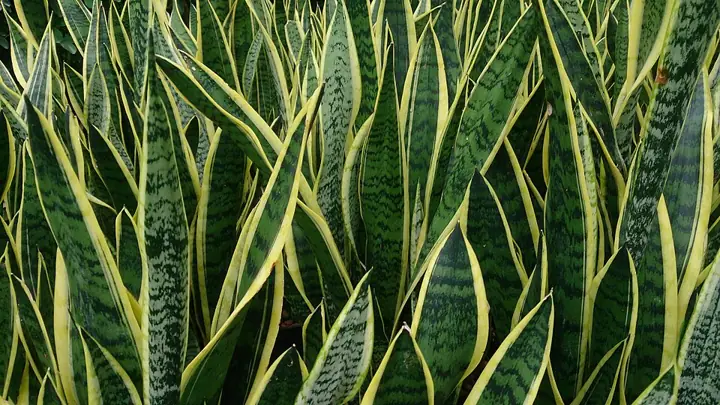 Houseplant
The toughest houseplant: water only when the soil is completely dry. Toxic to pets.
See profile →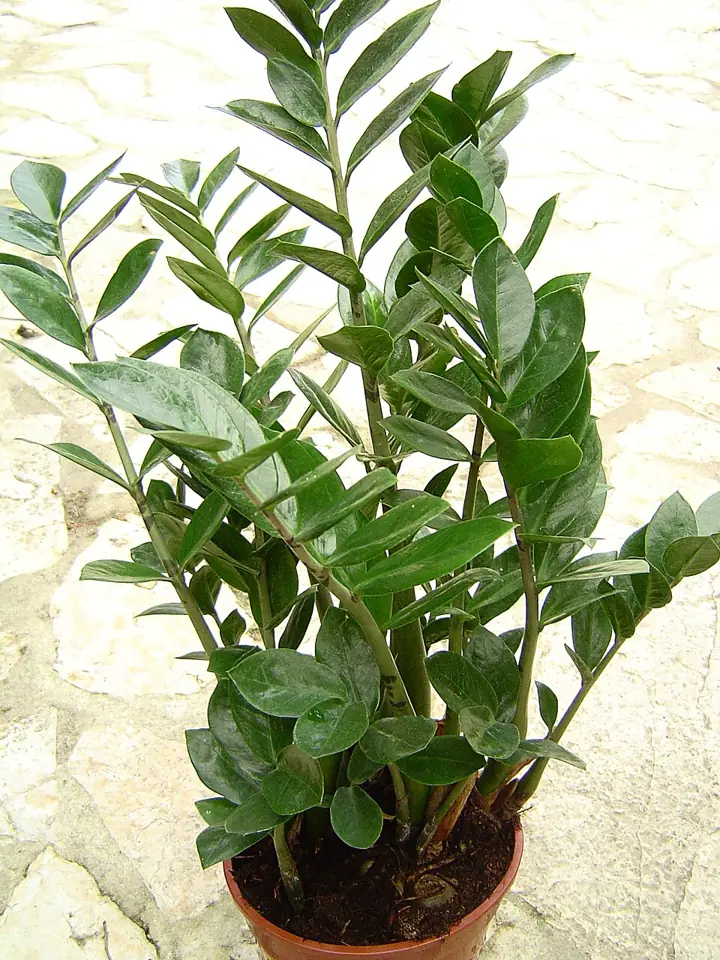 Houseplant
An almost indestructible houseplant: copes with low light and weeks without water. Water only when the soil is fully dry.
See profile →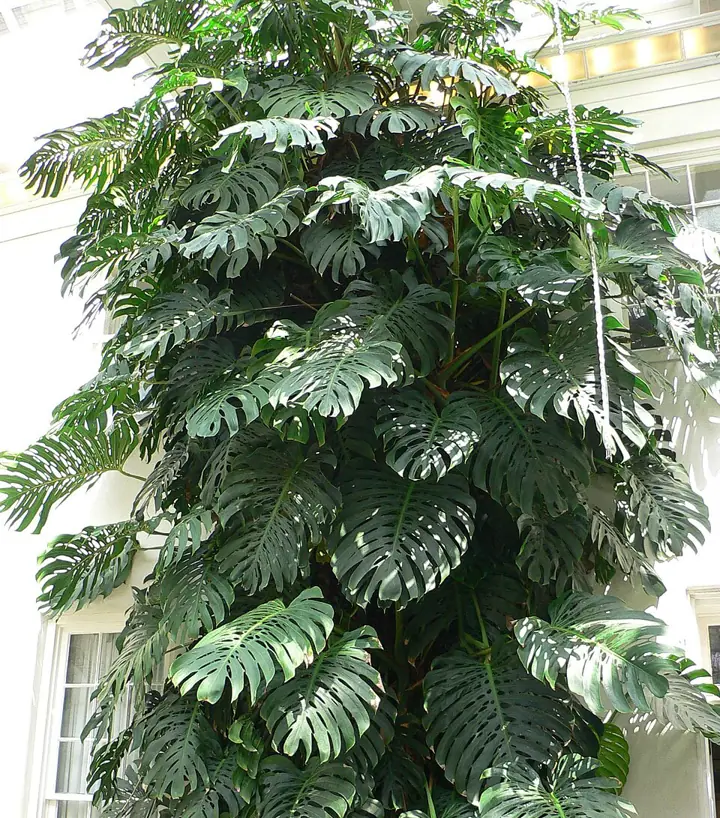 Houseplant
Bright indirect light; water when the top layer dries. Toxic to pets.
See profile →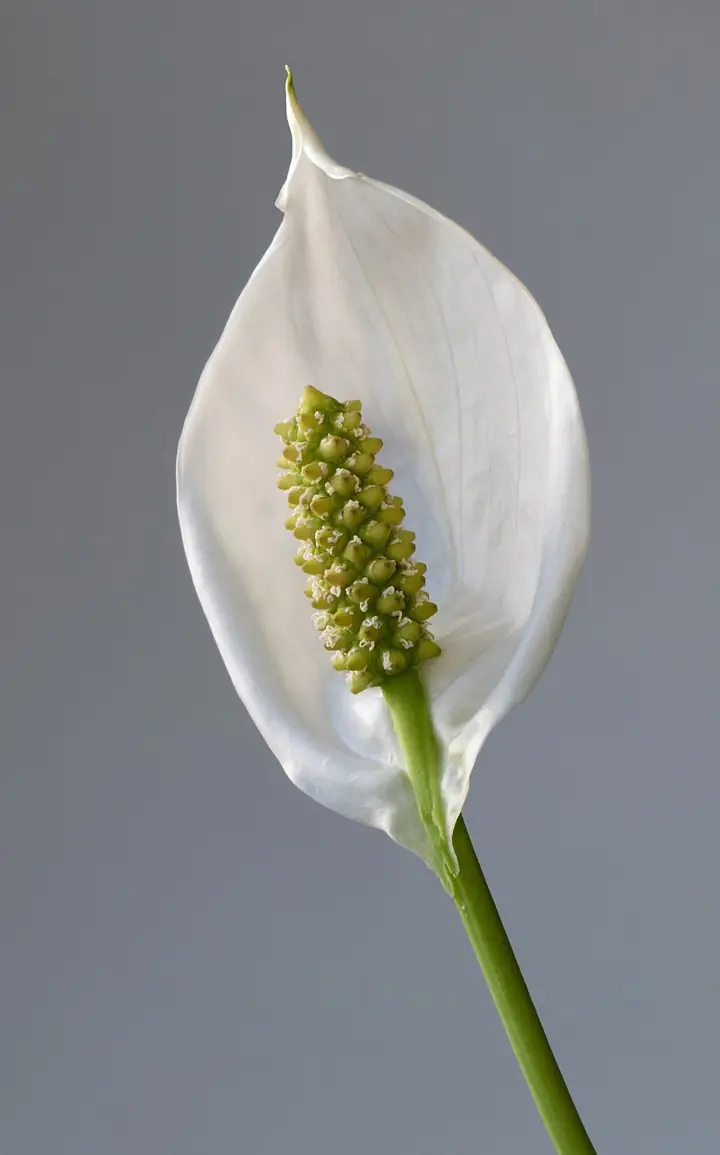 Houseplant
White flowers indoors in low light. It droops its leaves to tell you it's thirsty. Enjoys humid air.
See profile →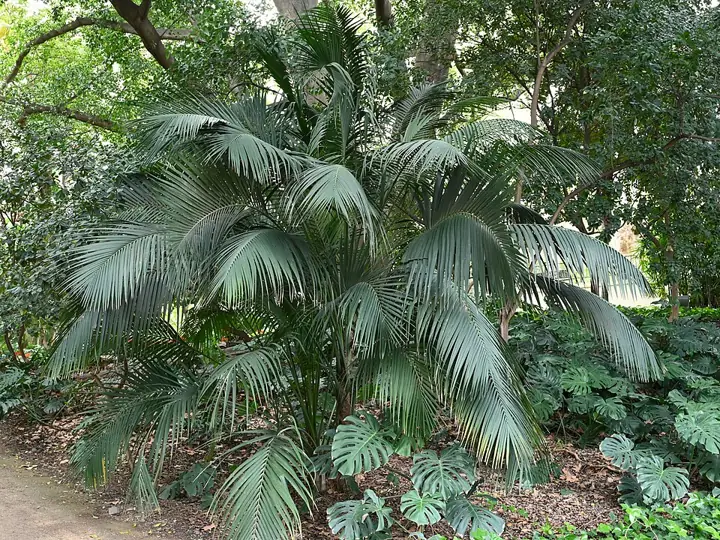 Houseplant
The most forgiving indoor palm: copes with low light and dry air. Water when the top of the soil is dry.
See profile →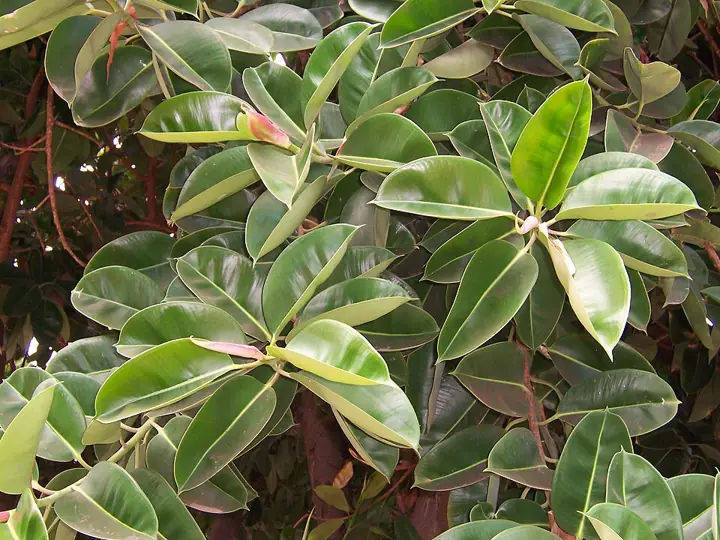 Houseplant
Large glossy leaves for bright rooms. Wipe dust off the leaves and water when the top of the soil dries out.
See profile →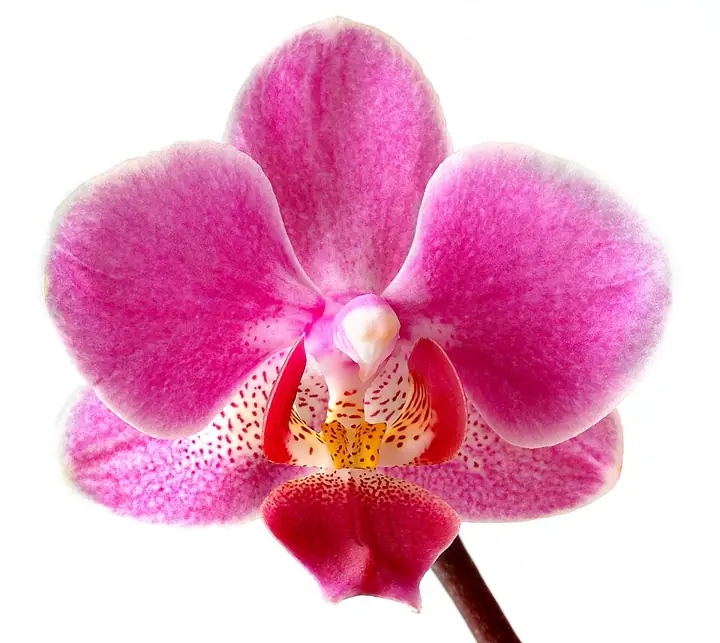 Houseplant
The easiest orchid. Water by soaking once a week and let it drain well; bright light, no direct sun.
See profile →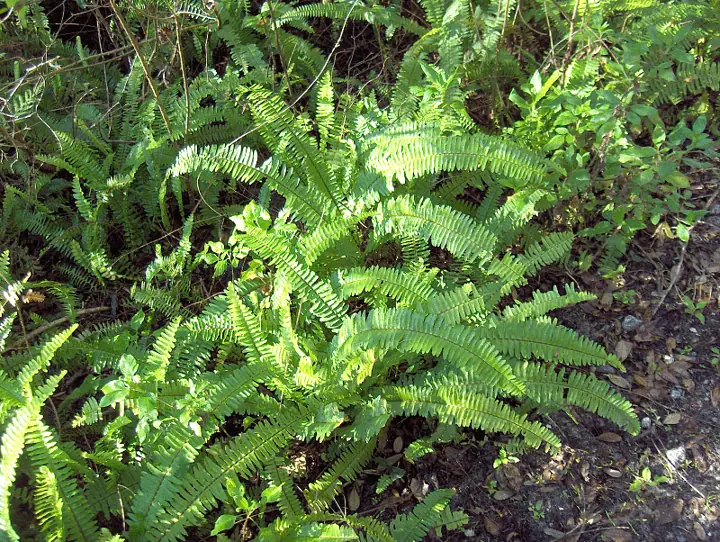 Houseplant
Fresh green for rooms, porches and sunless patios. Keep the soil moist and the air humid: it dries out quickly in dry air or direct sun.
See profile →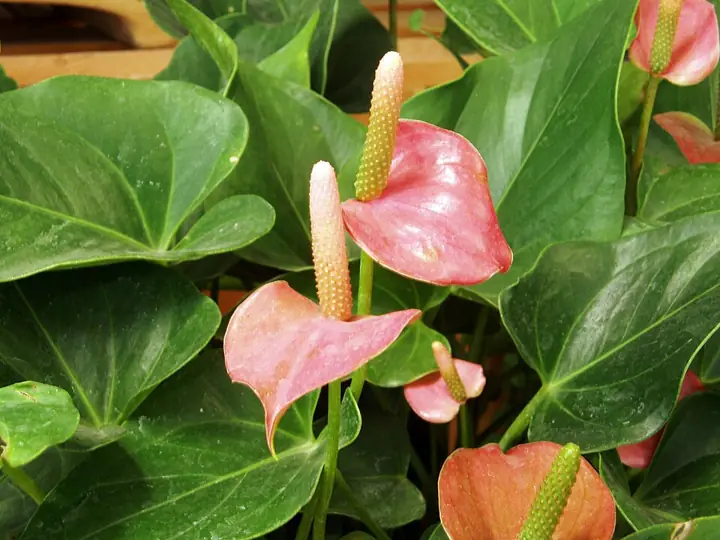 Houseplant
Glossy red flowers all year in bright rooms. Enjoys humidity: mist the leaves and keep it away from radiators. Toxic to pets.
See profile →How to prepare the garden to go weeks without attention: automatic irrigation, mulch, plants that cope on their own and what to check before you leave.
Read the guide →Jan – DecWhich plants are toxic to dogs and cats, which you can grow without worry and how to arrange the garden and terrace to live with pets.
Read the guide →Mar – Jun · SepWhich fertiliser to use, when and how much: organic versus mineral, what each kind of plant needs and how not to overdo the dose.
Read the guide →