Start with organic matter
A layer of two or three centimetres of well-rotted compost, in late winter, improves any soil: it holds water in sandy ones, opens up clay and feeds slowly. In Mallorca's poor, limy soils it is the best investment.
Choose the fertiliser to suit the plant
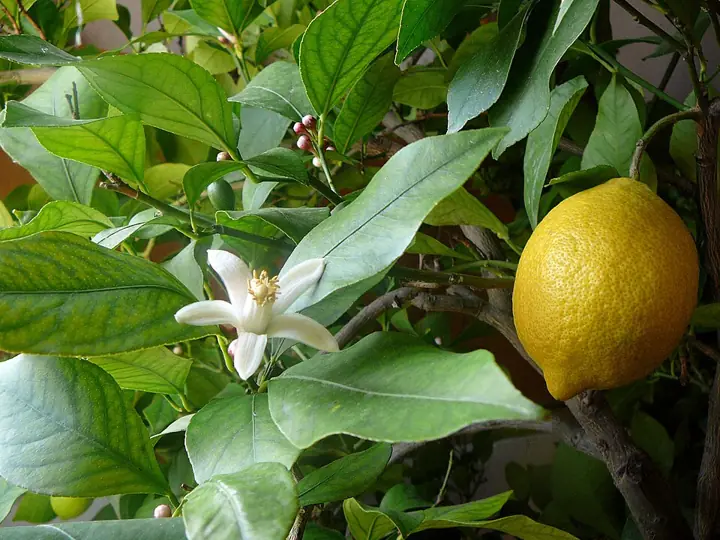
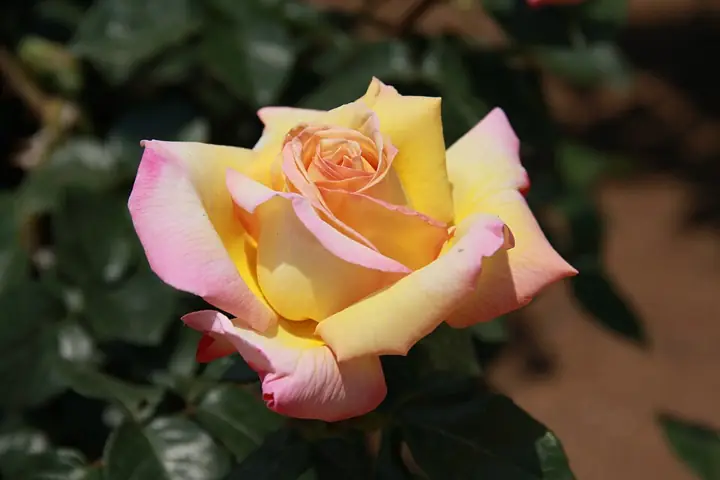
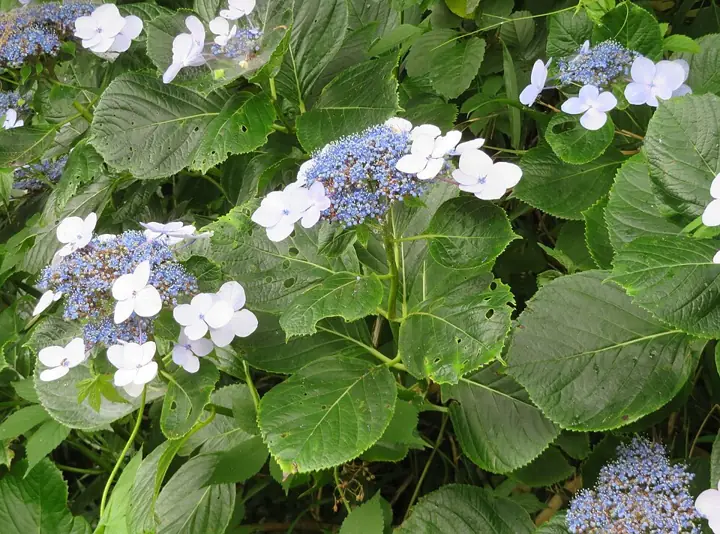
The label shows three numbers: nitrogen, phosphorus and potassium. Nitrogen gives leaf; phosphorus and potassium give flower, fruit and resilience. Flowering plants and fruit trees like formulas with more potassium; lawn and foliage plants, more nitrogen. Citrus, roses and hydrangeas have their own fertilisers.
Keep to the calendar
Feed from March to June, when plants are shooting and flowering. In high summer reduce or stop, except for irrigated pots. A final feed in September, low in nitrogen, strengthens them before winter. From November to February, don't feed.
Pots: little and often
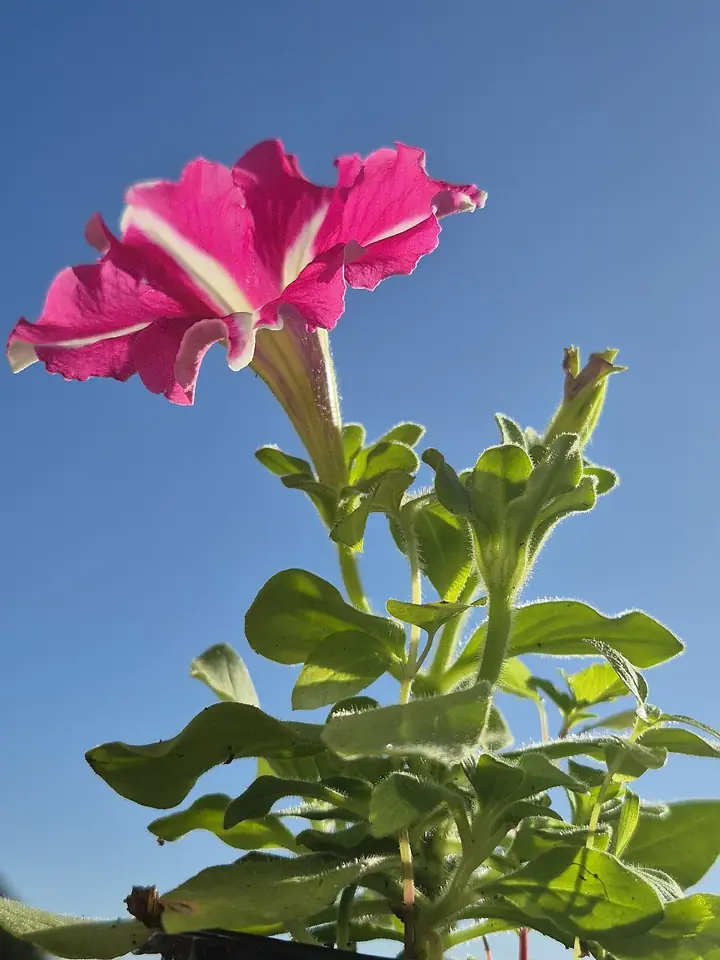
In a pot the plant has only what you give it. Use a liquid feed every fortnight with the watering, at the stated dose or slightly less, or a slow-release fertiliser in spring, which lasts several months. Never feed dry compost: water first.
Don't feed what doesn't need it
Rosemary, lavender, mastic, olive and other Mediterranean plants in the ground live in poor soils: feeding makes them grow soft, flower less and live shorter lives. Don't feed a newly transplanted plant or a sick one either: it needs to recover first.