← All guides
Practical guide

A safe garden with dogs and cats

You don't have to give up plants because you have pets, but it helps to know which are dangerous if chewed. A handful of very common species account for almost all the scares.

Best time: Jan – Dec2 min read

In short

  • The most dangerous: oleander and sago palm. Best out of reach or out of the garden.
  • Many houseplants irritate the mouth: pothos, peace lily, anthurium, monstera.
  • There are safe alternatives for almost everything.
  • If your pet has chewed a plant and shows symptoms, go to the vet with a photo of the plant.

Step by step

  1. Identify what you already have

    Go through the garden, terrace and indoors using the plant profiles on this site: each one says whether the plant is safe or toxic for pets. The ones needing most care are oleander and sago palm — every part is highly toxic — and, for cats, lilies.

  2. Decide what to remove and what to protect

    With puppies or animals that chew everything, the prudent course is to remove the most dangerous. Those that mainly irritate — pothos, monstera, peace lily, anthurium, ficus, ivy — can stay up high: on shelves, in hanging pots or in rooms the pets don't enter.

  3. Choose safe plants

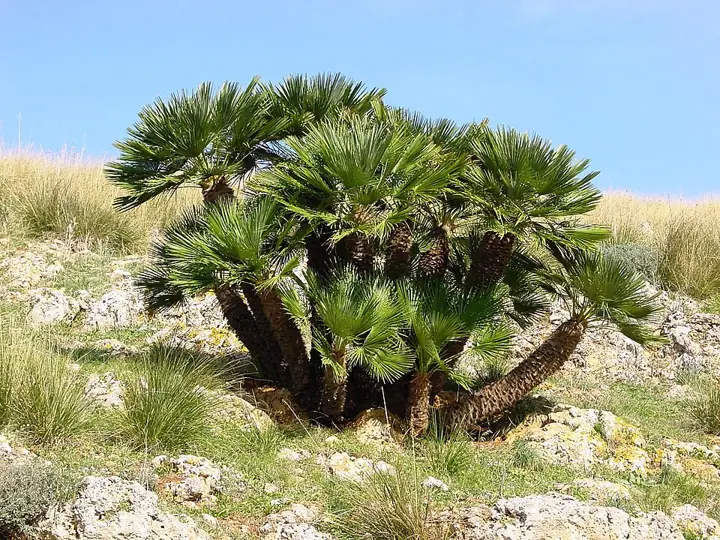
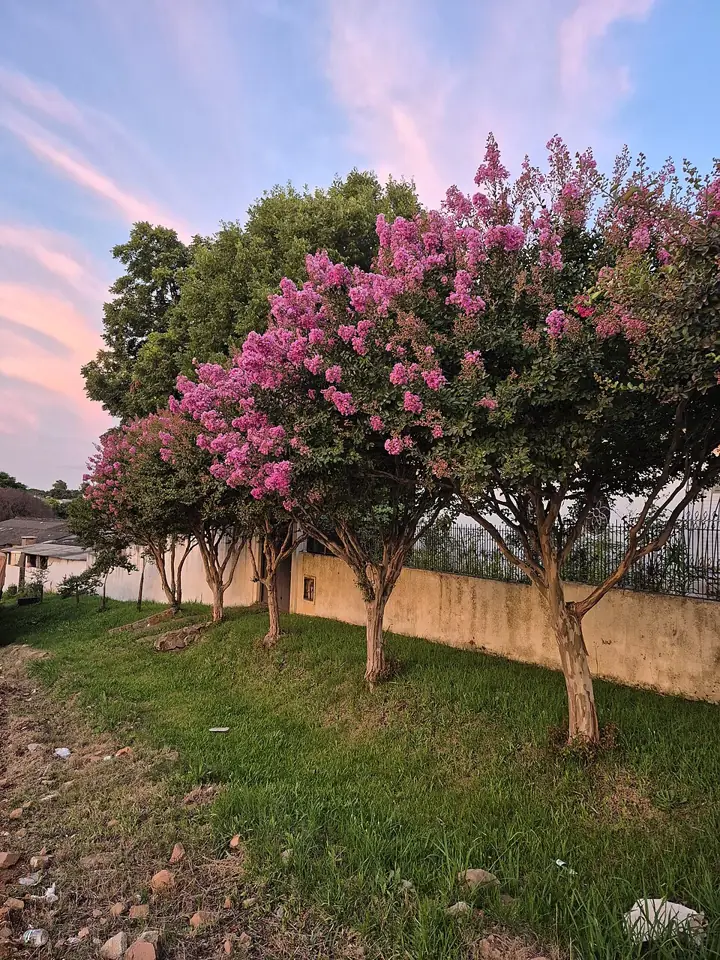
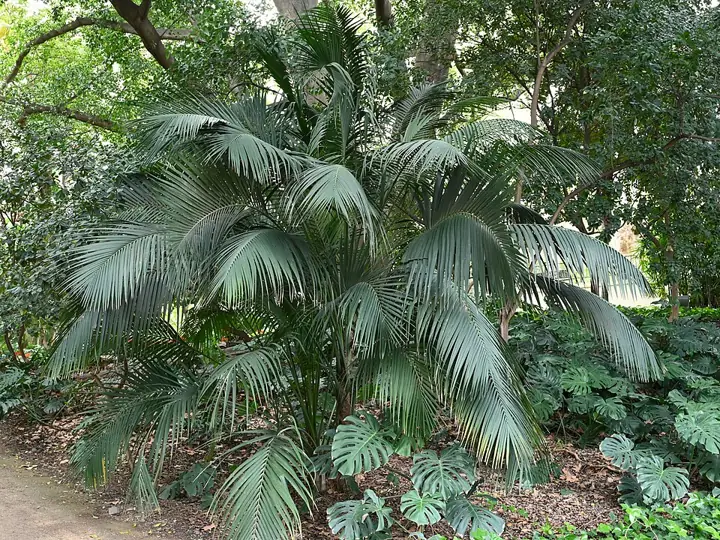
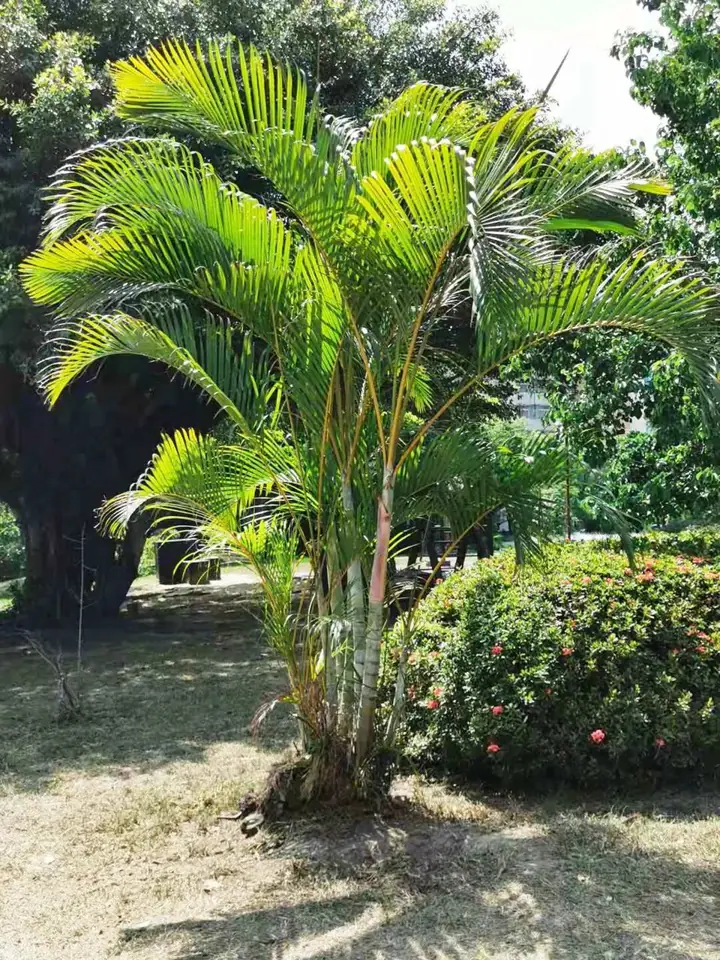
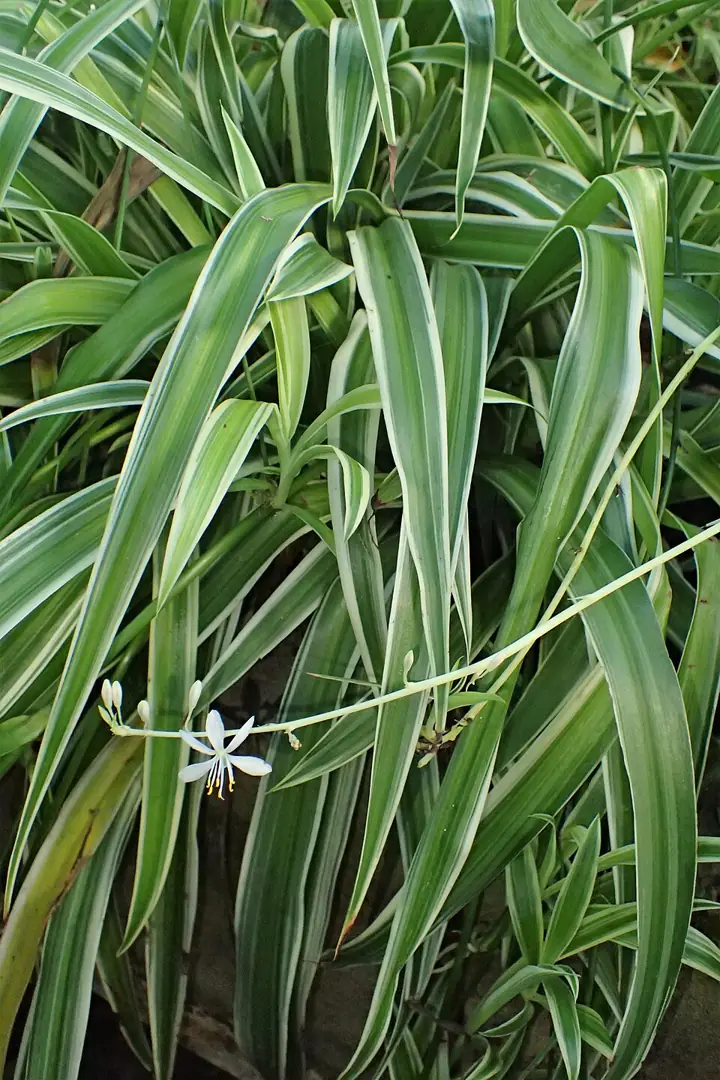
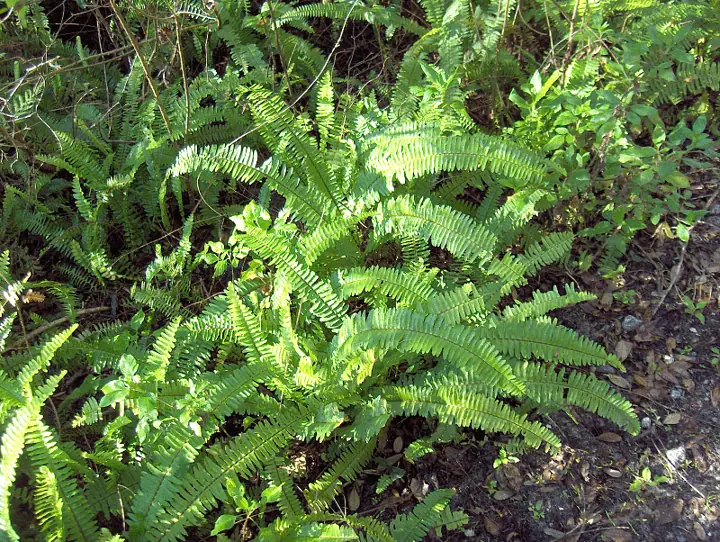
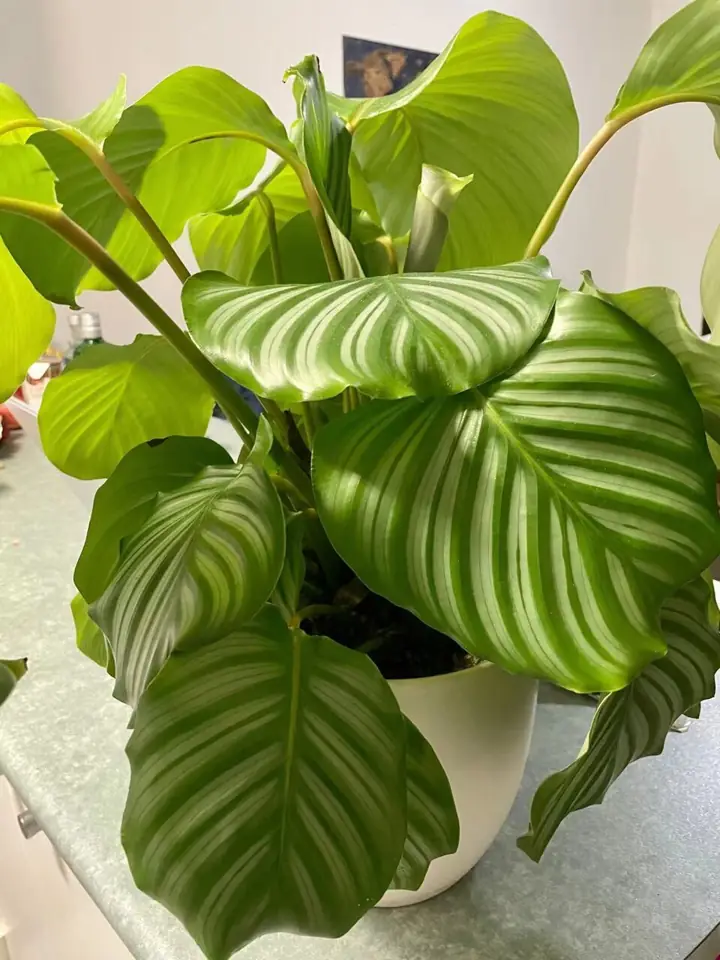
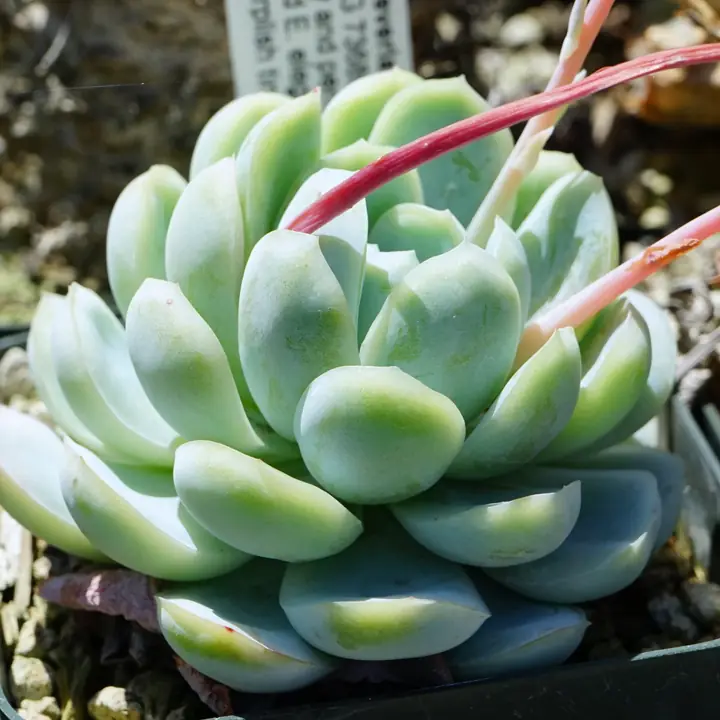
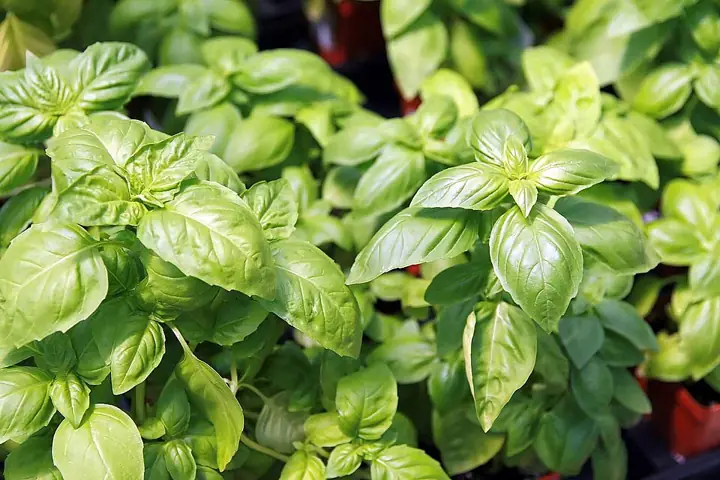
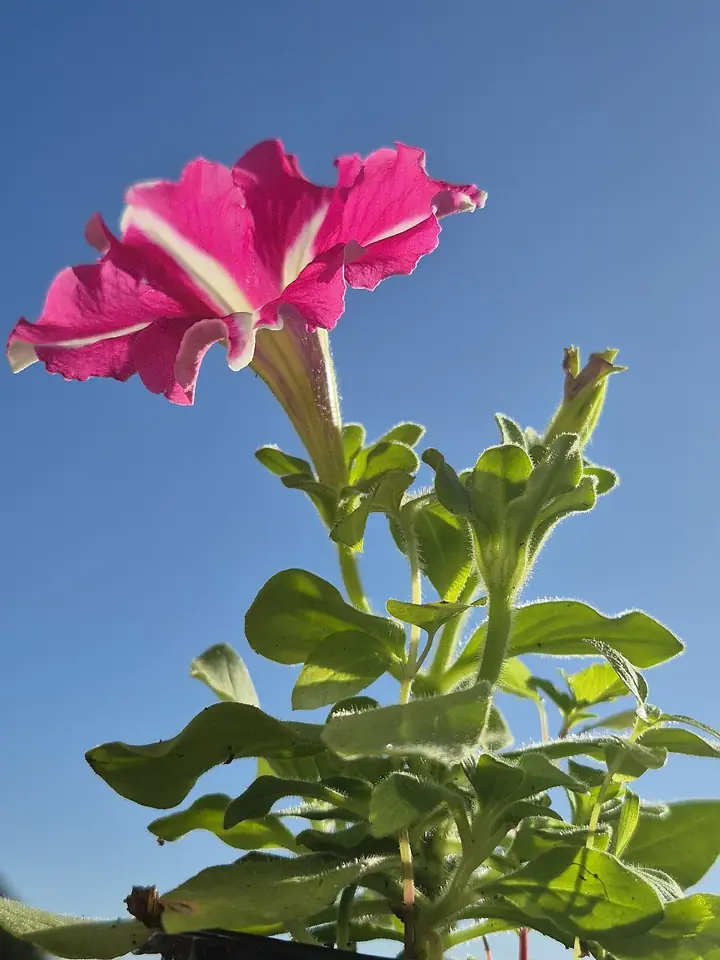
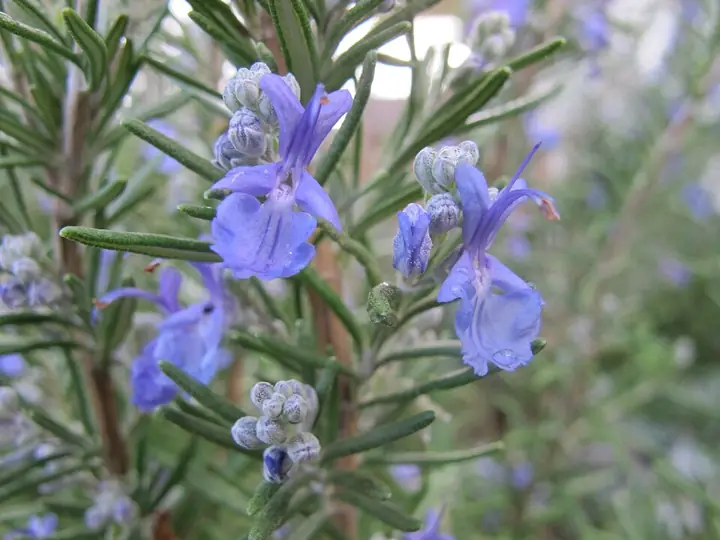
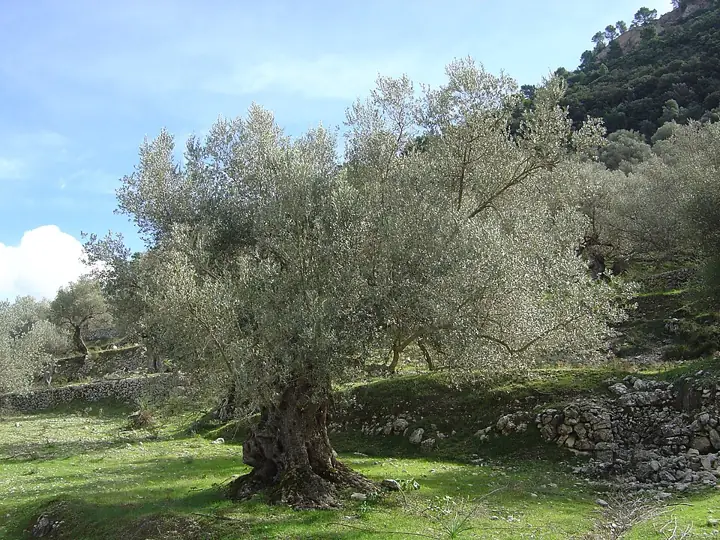
    There is plenty of choice: rosemary, olive, dwarf fan palm, kentia, areca palm, spider plant, Boston fern, calathea, echeveria, basil, petunia or crape myrtle. For cats, a pot of cat grass gives them something to nibble and spares the others.

  4. Take care with fertilisers and treatments

    Many scares come not from the plants but from what is put on them. Keep fertilisers, slug pellets and insecticides out of reach, respect each product's safety interval and avoid cocoa-shell mulch, which is toxic to dogs.

  5. Organise the space

    Leave an area where they can run and dig, and protect delicate beds with edging or sturdy plants. Avoid species with thorns or spikes at their eye level beside the paths they use.
Common mistakes

  • Assuming a plant is safe because “they've never touched it”.
  • Leaving oleander prunings within their reach.
  • Waiting to see if it passes: if your pet has eaten a toxic plant, call the vet as soon as possible.

Keep in mind: This information is for guidance only and is no substitute for a vet. If you are unsure about a plant, ask us or check with your vet.

Plants in this guide

Herb

Rosemary

Salvia rosmarinus

Takes full sun, wind and drought. Flowers in winter and is a magnet for bees. Avoid waterlogging.

SunLow waterPet-safeNative
See profile →
Tree

Olive tree

Olea europaea

Majorca's tree par excellence. Lives for centuries on very little water; thinning it out in late winter keeps it healthy.

SunLow waterPet-safe
See profile →
Palm

Dwarf fan palm

Chamaerops humilis

Europe's only native palm. Very drought tolerant and less affected by the red palm weevil.

SunPartial shadeLow waterPet-safeNative
See profile →
Tree

Crape myrtle

Lagerstroemia indica

Flowers in high summer, when little else does. A small tree, ideal for gardens and patios; prune in late winter.

SunMedium waterPet-safe
See profile →
Houseplant

Kentia palm

Howea forsteriana

The most forgiving indoor palm: copes with low light and dry air. Water when the top of the soil is dry.

Partial shadeShadeMedium waterPet-safe
See profile →
Houseplant

Areca palm

Dypsis lutescens

An indoor palm with fine, arching fronds. Wants bright light without direct sun and soil kept slightly moist.

Partial shadeShadeMedium waterPet-safe
See profile →
Houseplant

Spider plant

Chlorophytum comosum

An almost indestructible, pet-safe houseplant. Indirect light and moderate watering.

Partial shadeShadeMedium waterPet-safe
See profile →
Houseplant

Boston fern

Nephrolepis exaltata

Fresh green for rooms, porches and sunless patios. Keep the soil moist and the air humid: it dries out quickly in dry air or direct sun.

Partial shadeShadeHigh waterPet-safe
See profile →
Houseplant

Calathea

Calathea spp.

Indoors with soft light and humidity. Pet-safe. Use lime-free water if you can.

ShadeHigh waterPet-safe
See profile →
Succulent

Echeveria

Echeveria elegans

Perfect, almost stone-like rosettes for pots and rockeries. Gentle sun, very free-draining soil and sparse watering: water in the rosette rots it.

SunPartial shadeLow waterPet-safe
See profile →
Herb

Basil

Ocimum basilicum

The herb of summer, said to keep mosquitoes away. Water daily in hot weather and pinch out the tips so it doesn't flower and keeps producing leaves. An annual.

SunPartial shadeHigh waterPet-safe
See profile →
Flowering plant

Petunia

Petunia × hybrida

Non-stop colour from spring to autumn in pots and window boxes. Deadhead, feed fortnightly and cut back in midsummer for a fresh flush.

SunMedium waterPet-safe
See profile →

Other guides